

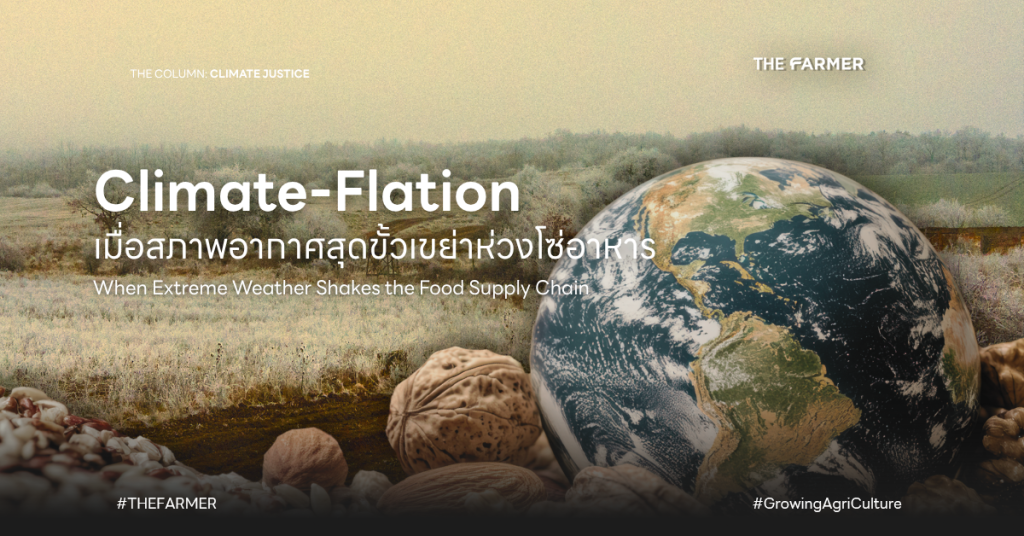
THE COLUMN: Climate-Flation เมื่อสภาพอากาศสุดขั้วเขย่าห่วงโซ่อาหาร
THE COLUMN: Climate-Flation – When Extreme Weather Shakes the Food Supply Chain
⸻
(English is below)
⸻
“ความแปรปรวนของสภาพอากาศไม่ได้ทำให้ผลผลิตลดลงเพียงอย่างเดียว แต่มันกำลังสร้างความผันผวนด้านต้นทุนตลอดห่วงโซ่อุปทาน ซึ่งท้ายที่สุดภาระนี้อาจถูกกระจายและแบ่งปันไปยังผู้มีส่วนเกี่ยวข้องหลายฝ่าย รวมถึงอาจสะท้อนมายังกระเป๋าสตางค์ของผู้บริโภค”
จากวิกฤตหน้าดิน สู่ความเสี่ยงเรื่องค่าครองชีพ เวลาที่เราสั่งอาหารแล้วพบว่าราคาขยับขึ้น หลายคนอาจมองว่าเป็นผลจากค่าพลังงานหรือเงินเฟ้อทั่วไป แต่ในทางเศรษฐศาสตร์ มีปัจจัยที่นักวิเคราะห์บางส่วนเรียกว่า “Climate-Flation” ซึ่งใช้บรรยายแรงกดดันต่อราคาอาหารจากความร้อน ภัยแล้ง และเหตุการณ์สภาพอากาศสุดขั้ว
งานวิจัยที่ตีพิมพ์ในวารสาร Communications Earth & Environment โดยวิเคราะห์ข้อมูลดัชนีราคาผู้บริโภคกว่า 27,000 รายการทั่วโลก พบว่า อุณหภูมิที่สูงขึ้นมีความเชื่อมโยงกับแรงกดดันด้านเงินเฟ้ออาหาร แม้ผลกระทบจะแตกต่างกันไปตามพื้นที่และฤดูกาล ข้อมูลดัชนีราคาอาหารจากองค์การอาหารและเกษตรแห่งสหประชาชาติ (FAO) ชี้ให้เห็นว่าสภาวะอากาศและความกังวลเกี่ยวกับผลผลิตสามารถเป็นหนึ่งในปัจจัยที่ผลักดันราคาสินค้าเกษตรระหว่างประเทศ ขณะที่ข้อมูลดัชนีราคาผู้บริโภคของกระทรวงพาณิชย์ไทย (TPSO) ใช้ติดตามการเปลี่ยนแปลงราคาในประเทศบอกว่า การจะสรุปผลกระทบต่อราคาอาหารไทยต้องพิจารณาข้อมูลพื้นที่ ช่วงเวลา และปัจจัยอื่นร่วมด้วย เช่น พลังงาน การขนส่ง อุปสงค์ และอำนาจต่อรองในห่วงโซ่อุปทาน ดังนั้น ภาระต้นทุนจึงอาจถูกแบ่งระหว่างผู้มีส่วนเกี่ยวข้องหลายฝ่าย ไม่ได้ตกกับผู้บริโภคทั้งหมดโดยอัตโนมัติ
⸻
Deep Dive / Mechanism: กลไกการส่งผ่านความเสี่ยงและต้นทุน
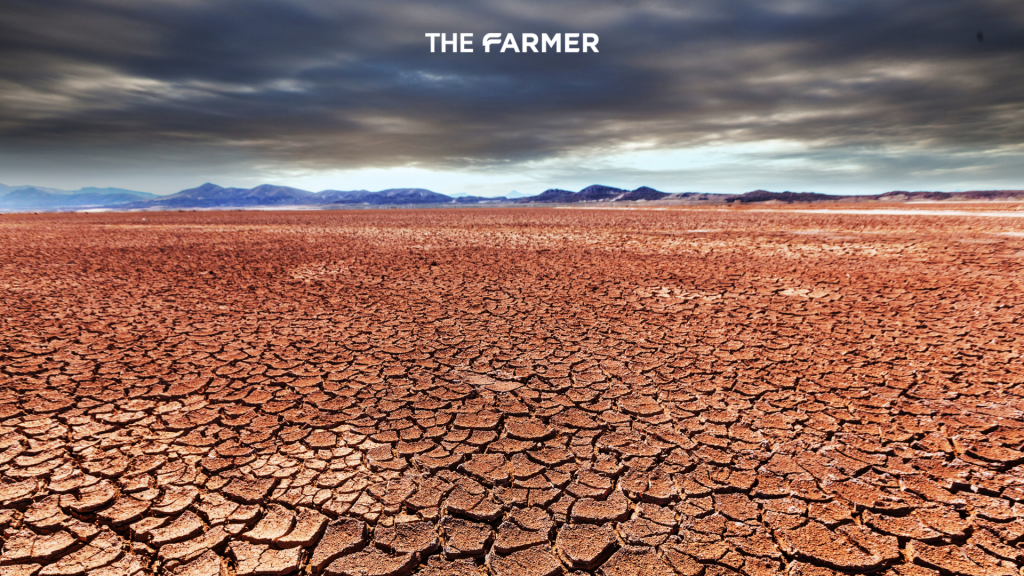
The OPEX Surge (ต้นทุนการดำเนินงานท่ามกลางสภาพอากาศผันผวน) เมื่อเกิดภัยแล้งหรืออากาศร้อนจัด เกษตรกรอาจต้องเผชิญกับต้นทุนการดำเนินงาน (OPEX) ที่เพิ่มขึ้น เช่น ค่าไฟฟ้าสำหรับสูบน้ำ ค่าเชื้อเพลิงหรือค่าขนส่งน้ำ และค่าใช้จ่ายในการจัดการน้ำ ซึ่งอาจเพิ่มขึ้นแตกต่างกันตามพื้นที่และระบบการผลิต การเพิ่มขึ้นของต้นทุนในภาวะที่ความเสี่ยงด้านผลผลิตสูง ทำให้เกษตรกรต้องบริหารสภาพคล่องอย่างรัดกุม
The Broken Buffer (ความท้าทายของกลไกซับแรงกระแทก) เมื่อเกิดวิกฤต ธุรกิจขนาดใหญ่อาจมีเครื่องมือบริหารความเสี่ยงและทางเลือกด้านเงินทุนหลากหลายกว่า ขณะที่เกษตรกรรายย่อยบางกลุ่มอาจมีข้อจำกัดในการเข้าถึงประกันภัยพืชผลหรือเงินทุนสำรอง เมื่อเกิดความเสียหายจึงอาจลดพื้นที่เพาะปลูกหรือเลื่อนการผลิต ส่งผลให้อุปทานในบางพื้นที่ตึงตัว
The Price Transmission (การส่งผ่านต้นทุนตลอดห่วงโซ่) เมื่ออุปทานในตลาดมีความผันผวน กลไกราคาจะเริ่มทำงาน ผู้ประกอบการ พ่อค้าคนกลาง และร้านอาหารอาจพยายามปรับตัวด้วยการ ปรับขนาดบรรจุ หรือใช้วัตถุดิบทดแทน แต่เมื่อต้นทุนสะสมจนเกินกว่าอัตรากำไร (Margin) ที่จะแบกรับ ภาระบางส่วนจึงอาจถูกส่งต่อไปยังราคาขายปลีกตามจังหวะเวลา (Lag time) ของแต่ละอุตสาหกรรม
⸻
บทเรียนจากความผันผวนของธรรมชาติ
ความผันผวนของน้ำมันมะกอกและโกโก้ ในช่วงที่ผ่านมา ภัยแล้งและคลื่นความร้อนรุนแรงในสเปนทำให้ผลผลิตมะกอกลดลงและส่งผลให้ราคาน้ำมันมะกอกปรับตัวสูงขึ้น ราคาที่พุ่งขึ้นยังนำไปสู่รายงานข่าวเรื่องการขโมยน้ำมันมะกอกและผลผลิตในบางพื้นที่ของประเทศผู้ผลิต จึงสะท้อนว่าความขาดแคลนสามารถสร้างความเสี่ยงด้านความปลอดภัยและการจัดการห่วงโซ่อุปทานเพิ่มเติมได้ อย่างไรก็ดี กรณีนี้สะท้อนความผันผวนของอุปทานมากกว่าทิศทางราคาที่เพิ่มขึ้นทางเดียว เพราะอุปทานสามารถฟื้นตัวได้เมื่อสภาพอากาศกลับมาเอื้ออำนวย ในทำนองเดียวกัน สภาพอากาศที่ไม่เอื้ออำนวย ฝนที่ผิดปกติ โรค และศัตรูพืชในแอฟริกาตะวันตก ทำให้ผลผลิตโกโก้ลดลงและผลักดันราคาวัตถุดิบขึ้น โดยปรากฏการณ์ El Niño อาจเป็นหนึ่งในปัจจัยภูมิอากาศที่เพิ่มความเสี่ยงในบางช่วง แต่ไม่ควรระบุว่าเป็นสาเหตุเดียว
ความท้าทายในการจัดการผลผลิตช่วงฤดูแล้ง สำหรับบริบทของไทย ในบางช่วงของฤดูแล้ง ราคามะนาวและผักสดบางชนิดอาจปรับตัวสูงขึ้น เมื่อผลผลิตลดลงจากอากาศร้อน ภัยแล้ง หรือปัจจัยด้านโรคและศัตรูพืช ทั้งนี้ ระดับการเปลี่ยนแปลงแตกต่างกันตามพื้นที่ ช่วงเวลา และแหล่งผลิต ภาพที่ร้านอาหารอาจต้องปรับรูป วางแผนสำรองวัตถุดิบ สะท้อนให้เห็นว่าสภาพภูมิอากาศได้เข้ามาเป็นหนึ่งในตัวแปรที่ท้าทายโครงสร้างต้นทุน (Cost Structure) ของธุรกิจ SMEs
⸻
Regenerate: From Farm to Future
การแก้ปัญหาความเสี่ยงด้านสภาพอากาศไม่ใช่แค่การประคองตัว แต่คือการสร้างความยืดหยุ่นในระยะยาว องค์กรธุรกิจขนาดใหญ่สามารถมีส่วนร่วมสนับสนุนประกันภัยดัชนีสภาพอากาศ (Weather-indexed Insurance) ที่ออกแบบให้เหมาะกับความเสี่ยงของแต่ละพื้นที่ หรือจัดหาเงินทุนแบบ Blended Finance เพื่อช่วยให้เกษตรกรลงทุนในโครงสร้างพื้นฐานด้านน้ำ ซึ่งอาจช่วยลดความเสี่ยงจากความผันผวนได้ ทั้งนี้ กลไกดังกล่าวควรมีการประเมินความเสี่ยง เงื่อนไขการจ่ายเงิน และความสามารถในการเข้าถึงอย่างชัดเจน
สำหรับธุรกิจ SMEs และร้านอาหารอาจลดความเสี่ยงด้วยการกระจายแหล่งวัตถุดิบ (Supplier Diversification) หรือปรับเมนูให้ยืดหยุ่นตามฤดูกาล โดยควรประเมินต้นทุนด้านคุณภาพ โลจิสติกส์ และการบริหารซัพพลายเออร์ควบคู่กัน ท้ายที่สุดแล้ว Climate Justice ในการทำเกษตร เป็นเรื่องของการแบ่งปันต้นทุนและความเสี่ยงอย่างเป็นธรรม และในมุมธุรกิจก็เป็นส่วนหนึ่งของ Business Continuity Planning (BCP) เพื่อรักษาเสถียรภาพของต้นทุนอาหาร หากองค์กรสร้างความเข้มแข็งให้ต้นน้ำได้ ห่วงโซ่อุปทานในภาพรวมก็มีแนวโน้มพร้อมรับมือกับความผันผวนได้ดีขึ้นในระยะยาว หากมีกลไกสนับสนุนและการบริหารจัดการที่เหมาะสม

⸻
มาร่วมแสดงความคิดเห็นและอย่าลืมติดตามบทความ THE COLUMNได้ทุกวันที่หน้า WEBSITE และ FACEBOOK ของ THE FARMER
⸻
“Climate volatility does not merely reduce crop yields, but it is creating cost fluctuations throughout the supply chain. Ultimately, this burden may be distributed and shared among multiple stakeholders, potentially reflecting onto the consumers’ wallets.”
From topsoil crises to cost-of-living risks. When we order food and see prices creeping up, many might blame energy costs or general inflation. However, in economic terms, some analysts refer to a factor as “Climate-Flation,” a term used to describe the inflationary pressure on food prices caused by heat, droughts, and extreme weather events.
Research published in the journal Communications Earth & Environment, which analyzed data from over 27,000 consumer price indices globally, found that rising temperatures are linked to food inflation pressures, although impacts vary by region and season. Food price index data from the Food and Agriculture Organization of the United Nations (FAO) indicates that weather and yield concerns can be among the factors driving international agricultural commodity prices. Meanwhile, the Consumer Price Index (CPI) data from Thailand’s Trade Policy and Strategy Office (TPSO) is used to track domestic price changes. Concluding the impact on Thai food prices requires considering regional data, timeframes, and other concurrent factors such as energy, transportation, demand, and bargaining power within the supply chain. Therefore, the cost burden may be distributed among multiple stakeholders and does not automatically fall entirely on consumers.
⸻
Deep Dive / Mechanism: The Transmission of Risks and Costs
- The OPEX Surge (Operational Costs Amidst Volatile Weather): When facing droughts or extreme heat, farmers may encounter increased Operational Expenditure (OPEX), such as electricity bills for water pumping, fuel or water transportation costs, and water management expenses, which may rise differently depending on the region and production system. The surge in costs during periods of high yield risk forces farmers to manage their liquidity rigorously.
- The Broken Buffer (The Challenge of Shock-Absorbing Mechanisms): During a crisis, large corporations might possess a wider array of risk management tools and capital alternatives. Conversely, certain groups of smallholder farmers may face limitations in accessing crop insurance or reserve funds. When damages occur, they might reduce planted areas or delay production, resulting in tightened supply in some regions.
- The Price Transmission (Cost Pass-Through Along the Chain): When market supply fluctuates, the price mechanism initiates. Operators, middlemen, and restaurants may attempt to adapt by resizing packaging or utilizing substitute ingredients. But when accumulated costs exceed the bearable Margin, a portion of the burden might be passed on to retail prices according to the Lag time of each respective industry.
⸻
Lessons from Nature’s Volatility
The volatility of olive oil and cocoa. Recently, severe droughts and heatwaves in Spain diminished olive yields, consequently driving up olive oil prices. The price surge even led to news reports of olive oil and crop thefts in certain areas of producing countries. This reflects that scarcity can create additional security and supply chain management risks. However, this case reflects supply volatility rather than a unidirectional price increase, as supply can recover when weather conditions become favorable again. Similarly, unfavorable weather, erratic rainfall, diseases, and pests in West Africa reduced cocoa yields and pushed raw material prices up. The El Niño phenomenon might be one of the climatic factors heightening risks during certain periods, but it should not be identified as the sole cause.
Challenges in yield management during the dry season. In the Thai context, during certain periods of the dry season, the prices of limes and specific fresh vegetables may surge when yields drop due to extreme heat, droughts, or pest and disease factors. The level of change varies by area, timeframe, and production source. The scenario where restaurants might need to adapt their formats and plan for alternative ingredients reflects that climate has become a variable challenging the Cost Structure of SME businesses.
⸻
Regenerate: From Farm to Future
Solving climate risk issues is not merely about sustaining operations, but about building long-term resilience. Large corporate organizations can participate in supporting Weather-indexed Insurance tailored to the risks of each specific area, or provide funding via Blended Finance to help farmers invest in water infrastructure, which may help mitigate risks from volatility. Such mechanisms should possess clear risk assessments, payout conditions, and accessibility.
For SMEs and restaurants, risks can be reduced through Supplier Diversification or flexibly adapting menus according to seasons. This should involve concurrently evaluating costs related to quality, logistics, and supplier management. Ultimately, Climate Justice in agriculture is about fairly sharing costs and risks. From a business perspective, it is also a component of Business Continuity Planning (BCP) to maintain the stability of food costs. If organizations strengthen the upstream, the overall supply chain is more likely to be well-prepared to cope with volatility in the long run, provided there are appropriate support and management mechanisms.
Share your thoughts and don’t forget to follow THE COLUMN articles every day on the WEBSITE and FACEBOOK page of THE FARMER.
⸻
𝗧𝗛𝗘 𝗙𝗔𝗥𝗠𝗘𝗥: 𝗴𝗿𝗼𝘄𝗶𝗻𝗴 ◦ 𝗮𝗴𝗿𝗶 ◦ 𝗰𝘂𝗹𝘁𝘂𝗿𝗲 | 𝘙𝘦𝘨𝘦𝘯𝘦𝘳𝘢𝘵𝘪𝘷𝘦 𝘙𝘪𝘴𝘦
Facebook: https://www.facebook.com/thefarmer.th
YouTube: https://www.youtube.com/@thefarmerth
Instagram: https://www.instagram.com/thefarmerthai/

