

THE COLUMN: วิกฤตเกษตรไทย เมื่อโลกเปลี่ยนกติกาใหม่ และห่วงโซ่การผลิตต้องเลิก ‘ต่างคนต่างเดิน’
THE COLUMN: Thailand’s Agricultural Crisis: Navigating New Global Rules and Ending the ‘Silo Mentality’ Across the Supply Chain.
⸻
(English is below)
⸻
“ในวันที่คลังห้องเย็นของกลุ่มทุนต่างชาติเข้ามาตั้งกระจายสินค้าเกษตรอยู่ในประเทศ ชาวนาไทยจำนวนหนึ่งต้องหันไปพึ่งพาพันธุ์ข้าวจากประเทศเพื่อนบ้าน และตลาดโลกกำลังตั้งคำถามว่าสินค้าเกษตรของคุณปล่อยคาร์บอนเท่าไหร่แทนคำถามว่าราคาเท่าไหร่ ภาคการเกษตรของไทยจะก้าวข้ามความท้าทายเหล่านี้ได้อย่างไร “โจทย์ใหญ่เหล่านี้คือประเด็นสำคัญที่ถูกหยิบยกขึ้นมาพูดคุยในงานสัมมนาวิชาการ “การปฏิรูประบบเกษตรและอาหารไทย: เสริมพลังเกษตรกร สร้างภูมิคุ้มกันด้วยนวัตกรรม” เมื่อวันที่ 9 ตุลาคม พ.ศ. 2569 ที่ผ่านมา ณ ธนาคารเพื่อการเกษตรและสหกรณ์การเกษตร (ธ.ก.ส.) สำนักงานใหญ่ ซึ่งจัดขึ้นเป็นกิจกรรมคู่ขนานของการประชุมประจำปีสภาผู้ว่าการกองทุนการเงินระหว่างประเทศและกลุ่มธนาคารโลก (IMF – World Bank Group Annual Meetings)
⸻
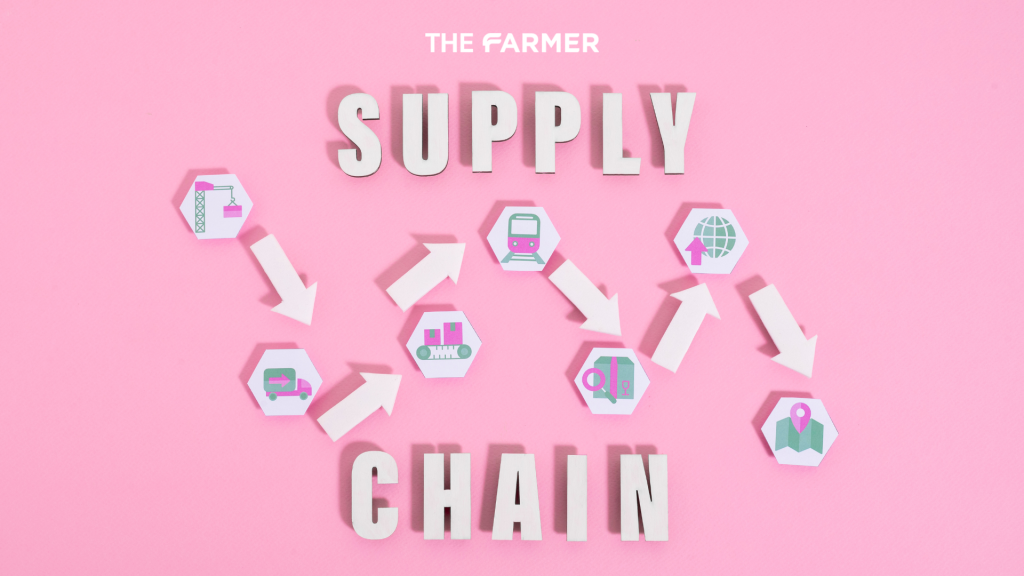
หากมองจากภาพใหญ่ระดับโครงสร้าง วงเสวนาได้สะท้อนให้เห็นตรงกันว่าภาคเกษตรและเกษตรแปรรูปของไทยกำลังติดอยู่กับปมปัญหาสำคัญหลายด้าน ทั้งเรื่องผลิตภาพ (Productivity) ที่อยู่ในระดับต่ำ การที่เกษตรกรยังเข้าไม่ถึงโครงสร้างพื้นฐานสำคัญอย่างแหล่งน้ำและที่ดินทำกิน การขาดแคลนพันธุ์พืชที่ดีมาช่วยยกระดับผลผลิต และปมปัญหาที่สำคัญอย่างยิ่งคือห่วงโซ่มูลค่าที่มีลักษณะกระจัดกระจาย (Fragmented Value Chain) กล่าวคือผู้เล่นในภาคเกษตรต่างคนต่างทำจนขาดการประหยัดต่อขนาด (Economy of Scale) ซึ่งกลายเป็นอุปสรรคใหญ่เมื่อต้องการนำเทคโนโลยีสมัยใหม่เข้ามาใช้ยกระดับการผลิต
⸻
เมื่อซูมภาพลงไปดูความจริงในระดับพื้นที่ เกษตรกรไทยกำลังเผชิญกับภาวะไร้ทายาทมารับช่วงต่อและมีภาระหนี้สินสะสมเป็นจำนวนมาก ซ้ำร้ายเมื่อเกษตรกรพยายามปรับตัวหนีความยากจน ก็มักตกอยู่ในวังวนของการแห่ปลูกพืชตามกระแสโดยไม่มีตลาดและอุตสาหกรรมปลายน้ำรองรับ ดังเช่นกรณีของเกษตรกรที่ตัดสินใจปรับเปลี่ยนพื้นที่นาไปปลูกพืชทางเลือกตามกระแสการปลดล็อกกฎหมาย แต่สุดท้ายผลผลิตแปรรูปขั้นต้นกลับขายไม่ออก เพราะภายในประเทศยังไม่มีอุตสาหกรรมสกัดสารสำคัญเพื่อผลิตยารองรับเหมือนในต่างประเทศ
⸻
ในขณะที่ภาคการผลิตภายในประเทศยังตั้งหลักไม่ทัน การแข่งขันจากต่างชาติก็ได้รุกคืบเข้ามาประชิดตัว ทั้งการเข้ามาตั้งคลังห้องเย็นเพื่อกระจายผลไม้และพืชผักนำเข้าผ่านเส้นทางขนส่งระบบรางพร้อมทีมฝ่ายขายที่เจาะตลาดไปทั่วประเทศ ขณะเดียวกันประเทศเพื่อนบ้านต่างได้วางรากฐานภาคเกษตรหนีห่างไทยไปอย่างเป็นระบบ ไม่ว่าจะเป็นการปรับโครงสร้างสู่อุตสาหกรรมฐานเกษตรด้วยการเปิดให้เอกชนเช่าที่ดินระยะยาว หรือการที่ภาครัฐ เอกชน สหกรณ์ และท้องถิ่นในประเทศเพื่อนบ้านทำงานประสานกันอย่างใกล้ชิดและมีกฎหมายควบคุมมาตรฐานแปลงเพาะชำพันธุ์พืชมาอย่างยาวนาน จนได้พันธุ์ข้าวที่ให้ผลผลิตสูงและทำให้ชาวนาไทยจำนวนไม่น้อยหันไปนำพันธุ์ข้าวจากเพื่อนบ้านมาปลูกในช่วงนาปรัง สวนทางกับเกษตรกรไทยที่แม้แต่การซื้อพันธุ์ไม้ผลในประเทศก็ยังต้องเจอกับปัญหาพันธุ์ปลอมปน
⸻
ทำไมห่วงโซ่การผลิตของไทยจึงเปราะบางและปรับตัวรับมือกับการแข่งขันเหล่านี้ได้ยาก คำตอบส่วนหนึ่งมาจากการวิเคราะห์ในเวทีที่ชี้ว่า ในประเทศไทย คำว่า เกษตร เกษตรอุตสาหกรรม และอุตสาหกรรมเกษตร แยกขาดและไม่เชื่อมโยงกันเลย จนทำให้แต่ละจุดในห่วงโซ่เกิดความขัดแย้งและตัดตอนกันเอง เปรียบเสมือนการปลูกสับปะรดกินเองหลังบ้านที่จะปลูกลูกเล็กหรือลูกใหญ่อย่างไรก็ได้ แต่เมื่อไหร่ที่จะนำเข้าสู่โรงงานแปรรูปบรรจุกระป๋องจะปลูกแบบตามยถากรรมไม่ได้อีกต่อไป การผลิตพืชเศรษฐกิจของไทยจึงต้องเปลี่ยนวิธีคิดจากการทำเกษตรแบบสวนหลังบ้าน (Backyard Industry) ให้กลายเป็นระบบโรงงาน (Factory) ที่เชื่อมโยงมาตรฐานเดียวกันทั้งห่วงโซ่
⸻
ไม่เพียงแต่ปัญหาความแยกส่วนภายในเท่านั้น กติกาการค้าโลกยุคใหม่ยังได้เปลี่ยนจุดชี้ขาดไปสู่เรื่องสิ่งแวดล้อมผ่านความสมดุลระหว่างคำว่า มูลค่า กับ คุณค่า ที่ผ่านมาภาคเกษตรมุ่งเน้นให้มูลค่าดีขึ้น ผลิตภาพเพิ่มขึ้น และต้นทุนต่ำลง แต่ในวันนี้เราไม่สามารถเพิ่มผลผลิตพืชเศรษฐกิจด้วยการใช้น้ำ ปุ๋ย ยาฆ่าแมลง หรือขยายพื้นที่เพาะปลูกเข้าสู่พื้นที่ป่าได้อีกแล้ว เพราะเป็นการปล่อยคาร์บอน ทำลายน้ำ และทำให้อากาศเสีย ซึ่งทำลายคุณค่าที่โลกยุคใหม่ให้ความสำคัญ มาตรการปรับคาร์บอนก่อนข้ามพรมแดน (CBAM) ที่ตลาดต่างประเทศเริ่มนำมาใช้กับอุตสาหกรรมหนักอย่างเหล็กและปุ๋ย กำลังจะขยายมาสู่สินค้าปศุสัตว์และประมงอย่างกุ้งและไก่ในอนาคตอันใกล้ เช่นเดียวกับตลาดส่งออกข้าวที่ในวันนี้ประเทศคู่แข่งได้ก้าวข้ามไปสู่การขายข้าวคาร์บอนต่ำให้แก่ประเทศผู้นำเข้าหลักในภูมิภาคแล้ว ในขณะที่การส่งออกของไทยยังคงแข่งขันกันด้วยรูปแบบเดิมและยังขาดข้อมูลการปล่อยคาร์บอนที่ชัดเจน ทั้งที่คำตอบของการค้ายุคใหม่ไม่ได้อยู่ที่ราคาเท่าไหร่ แต่อยู่ที่ว่าปล่อยคาร์บอนเท่าไหร่
⸻
ทางออกของวิกฤตครั้งนี้จึงไม่ใช่การเดินแยกส่วนเหมือนในอดีต บทสรุปจากเวทีเสวนาชี้ตรงกันว่า เวลานี้ภาคเกษตรไทยอยู่ในจุดเปลี่ยนสำคัญที่ทุกฝ่ายต้องมองให้เห็นภาพใหญ่ว่าทุกคนในห่วงโซ่เกี่ยวข้องกันและมีความรับผิดชอบอันเดียวกัน ถ้าคนแรกในห่วงโซ่ไปต่อไม่ได้ คนสุดท้ายก็ไม่สามารถส่งออกได้ จึงไม่มีใครทิ้งกันได้อีกต่อไป และต้องเปลี่ยนวิธีคิดว่าการปรับตัวทั้งหมดนี้คือมิติใหม่ของการลงทุน ไม่ใช่ค่าใช้จ่ายที่สูญเปล่า การดึงภาคเอกชนที่มีศักยภาพเข้ามาเชื่อมโยงห่วงโซ่คุณค่าโดยมีภาครัฐช่วยปลดล็อกกฎระเบียบและสร้างแรงจูงใจ ควบคู่ไปกับการที่เกษตรกรลุกขึ้นมาพึ่งพาตนเอง ใช้นวัตกรรม และรวมกลุ่มสร้างความร่วมมือ (Collaboration) อย่างเข้มแข็ง จึงเป็นกุญแจสำคัญที่จะพาภาคเกษตรไทยก้าวข้ามกติกาโลกใหม่ได้อย่างยั่งยืน
⸻
Regenerate: From Farm to Future
การเปลี่ยนผ่านจากเกษตรแบบสวนหลังบ้านไปสู่ความพร้อมรับมือกับกติกาคาร์บอนต่ำ ไม่สามารถเกิดขึ้นได้จากการปล่อยให้เกษตรกรต้นน้ำหรือผู้ส่งออกปลายน้ำปรับตัวเพียงลำพัง องค์กรธุรกิจขนาดใหญ่และโรงงานแปรรูปสามารถเป็นแกนหลักในการเชื่อมร้อยห่วงโซ่อุปทานที่กระจัดกระจายเข้าด้วยกัน ผ่านการลงทุนยกระดับมาตรฐานการผลิต (Supply Chain Investment) การถ่ายทอดเทคโนโลยีและระบบการตรวจวัดคาร์บอนที่ชัดเจนลงสู่ระดับแปลง ตลอดจนการจับมือกับสถาบันการเงินเพื่อปลดล็อกแหล่งทุนในการปรับเปลี่ยนกระบวนการผลิตให้แก่เกษตรกรคู่ค้า ท้ายที่สุดแล้ว การลงทุนเพื่อความยั่งยืนและลดการปล่อยคาร์บอนในวันนี้ไม่ใช่ภาระค่าใช้จ่ายที่สูญเปล่า แต่ในมุมธุรกิจ นี่คือการวางแผนความต่อเนื่องทางธุรกิจ (Business Continuity Planning: BCP) เพื่อรักษาขีดความสามารถในการแข่งขันของทั้งห่วงโซ่อาหารไทย วันนี้องค์กรและเครือข่ายของคุณกำลังปล่อยให้แต่ละจุดในห่วงโซ่ต่างคนต่างเดิน หรือกำลังจับมือกันลงทุนสร้างโครงสร้างใหม่เพื่อก้าวไปข้างหน้าพร้อมกัน?
มาร่วมแสดงความคิดเห็นและอย่าลืมติดตามบทความ THE COLUMN ได้ทุกวันที่หน้า WEBSITE และ FACEBOOK ของ THE FARMER
⸻
“At a time when foreign-backed cold storage facilities are expanding distribution networks across the country, a growing number of Thai rice farmers are turning to rice varieties from neighboring countries, and global markets are asking about a product’s carbon footprint rather than its price, how can Thailand’s agricultural sector overcome these challenges?” These critical questions took center stage at the academic seminar titled “Reinventing Thai Agrifood Systems: Empowering Farmers, Building Resilience through Innovation,” held on October 9, 2026, at the Bank for Agriculture and Agricultural Cooperatives (BAAC) Headquarters. The event was organized as a side event to the IMF–World Bank Group Annual Meetings.
⸻
Looking at the macro-structural picture, discussions at the forum highlighted that Thailand’s agricultural and agro-processing sectors are trapped by several major bottlenecks. These include low productivity, limited access to essential infrastructure such as water resources and farmland, a shortage of high-quality plant varieties to boost yields, and, most critically, a fragmented value chain. Because players across the sector operate in silos, the industry lacks economies of scale, creating a major barrier to adopting modern technologies to upgrade production.
⸻
Zooming in on the reality on the ground, Thai farmers are facing a succession crisis with a shortage of younger farmers to take over, alongside heavy accumulated debt. Worse still, when farmers try to escape poverty, they often fall into the trap of chasing market trends without downstream industries or markets to absorb their produce. A clear example is farmers who converted paddy fields to grow alternative crops following regulatory changes, only to find their dried produce unsold because Thailand lacks the downstream extraction and pharmaceutical industries needed to process it.
⸻
While domestic production struggles to find its footing, foreign competition is closing in. Foreign-invested cold storage warehouses have expanded to distribute imported fruits and vegetables transported via rail links, backed by sales teams penetrating markets nationwide. Meanwhile, neighboring countries have systematically built agricultural foundations that are outpacing Thailand—whether by restructuring toward agro-based industries through long-term land leases, or through close coordination among governments, the private sector, cooperatives, and local authorities supported by strict plant nursery standards. This has resulted in high-yield rice varieties that many Thai farmers have now turned to planting during the dry season, whereas domestic farmers still struggle with mixed-breed seedlings even when purchasing local fruit sprouts.
⸻
Why is Thailand’s supply chain so fragile and slow to adapt to such competition? Analysis from the forum pointed out that in Thailand, agriculture, agro-industry, and industrial agriculture remain disconnected, leading to conflict and fragmentation at every link of the chain. Much like growing pineapples in a backyard where size does not matter for home consumption, once produce is meant for canning in a processing plant, haphazard farming is no longer an option. Thailand’s cash crop production must shift its mindset from a “backyard industry” to a “factory system” bound by unified standards across the entire supply chain.
⸻
Beyond internal fragmentation, the new rules of global trade have shifted the decisive factor toward environmental sustainability, demanding a balance between “economic value” and “core values.” In the past, the focus was solely on higher value, greater productivity, and lower costs. Today, however, yields can no longer be boosted simply by using more water, fertilizers, pesticides, or clearing more forestland, as doing so increases carbon emissions and pollutes water and air—destroying the very values the modern world prioritizes. The Carbon Border Adjustment Mechanism (CBAM), already applied to heavy industries like steel and fertilizers, will inevitably expand to livestock and fishery products such as shrimp and poultry in the near future. Similarly, in the rice export market, regional competitors have already stepped in to sell “low-carbon rice” to major importing nations, while Thailand’s exports still rely on traditional practices and lack clear carbon emission data—even though the winning answer in modern trade is no longer “How much does it cost?” but “How much carbon does it emit?”
⸻
The way out of this crisis is no longer working in isolation. Key takeaways from the forum emphasized that Thai agriculture is at a critical turning point, and all stakeholders must see the bigger picture: everyone in the supply chain is interconnected and shares responsibility. If the first link in the chain fails, the final link cannot export; no one can be left behind. Furthermore, the sector must view this transition as a new investment opportunity rather than a sunk cost. Bringing capable private-sector players in to connect the value chain—supported by government deregulation and incentives—while empowering farmers through self-reliance, innovation, and strong collaboration across the entire value chain will be the key to navigating these new global rules sustainably.
⸻
Regenerate: From Farm to Future
Transitioning from a “backyard farming” model to a value chain ready for low-carbon rules cannot happen by leaving upstream farmers or downstream exporters to adapt on their own. Large corporations and processing plants can serve as the core pillar in connecting a fragmented supply chain through supply chain investments that upgrade production standards, transfer technology, and clear carbon-measurement systems down to the farm level, and partner with financial institutions to unlock funding for partner farmers to transform their production processes. Ultimately, investing in sustainability and carbon reduction today is not a sunk expense; from a business perspective, it is Business Continuity Planning (BCP) to safeguard the competitiveness of Thailand’s entire food chain. Today, is your organization and network still letting each link of the chain walk alone, or are you joining hands to invest in a new structure to move forward together?
⸻
Share your thoughts, and don’t forget to follow THE COLUMN articles every day on the WEBSITE and FACEBOOK page of THE FARMER.
⸻
𝗧𝗛𝗘 𝗙𝗔𝗥𝗠𝗘𝗥: 𝗴𝗿𝗼𝘄𝗶𝗻𝗴 ◦ 𝗮𝗴𝗿𝗶 ◦ 𝗰𝘂𝗹𝘁𝘂𝗿𝗲 | 𝘙𝘦𝘨𝘦𝘯𝘦𝘳𝘢𝘵𝘪𝘷𝘦 𝘙𝘪𝘴𝘦
Facebook: https://www.facebook.com/thefarmer.th
YouTube: https://www.youtube.com/@thefarmerth
Instagram: https://www.instagram.com/thefarmerthai/

