

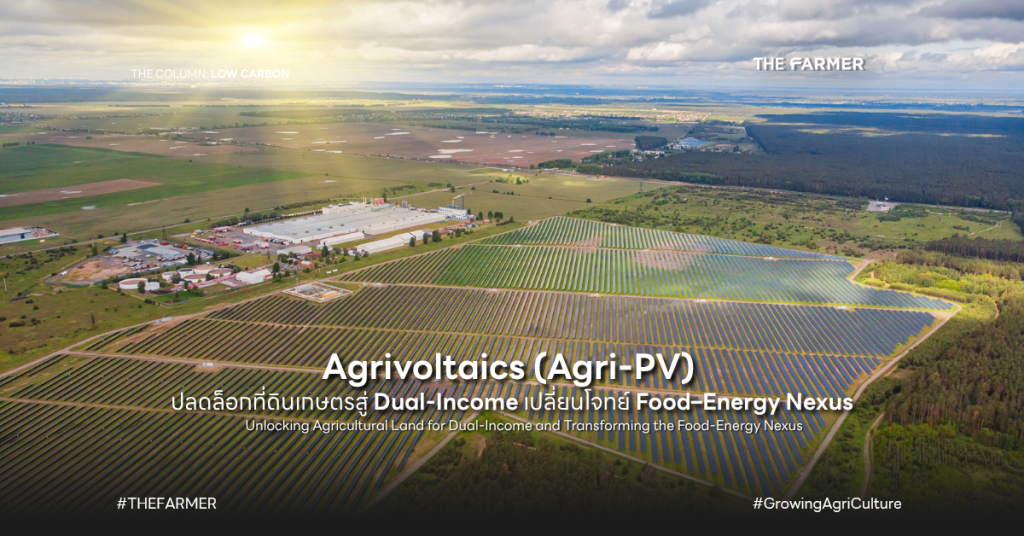
THE COLUMN: Agrivoltaics (Agri-PV) ปลดล็อกที่ดินเกษตรสู่ Dual-Income เปลี่ยนโจทย์ Food–Energy Nexus
THE COLUMN: Agrivoltaics (Agri-PV) – Unlocking Agricultural Land for Dual-Income and Transforming the Food-Energy Nexus
⸻
(English is below)
⸻
“ถ้าต้องเลือกลงทุนระหว่าง ‘การเกษตร’ เพื่อความมั่นคงทางอาหาร กับ ‘พลังงานสะอาด’ เพื่อความยั่งยืน ทำไมเราไม่ออกแบบให้ที่ดินแปลงเดียวกันสร้างมูลค่าจากทั้งสองทางไปพร้อมกัน?”
นี่คือโมเดลที่มีศักยภาพในการสร้างมูลค่าร่วมจากอาหารและพลังงานบนพื้นที่เดียวกัน ขณะเดียวกันโมเดลนี้เป็นโจทย์สำคัญของการออกแบบกติกาให้การใช้ที่ดินและระบบพลังงานดำเนินไปอย่างสมดุล
ในอดีต การพัฒนาโครงการโซลาร์ฟาร์มขนาดใหญ่มักเผชิญกับข้อพิพาทเรื่องการแย่งชิงพื้นที่เพาะปลูก (Food-Energy Nexus) เพราะเมื่อที่ดินถูกใช้เป็นโซลาร์ฟาร์มแบบดั้งเดิม โอกาสในการใช้พื้นที่เพื่อผลิตพืชอาหารมักลดลงอย่างมาก จึงเกิดคำถามว่าจะออกแบบให้การผลิตพลังงานและเกษตรกรรมอยู่ร่วมกันได้อย่างมีประสิทธิภาพหรือไม่ ในขณะเดียวกัน ฝั่งเกษตรกรและอุตสาหกรรมเกษตรก็กำลังถูกบีบด้วยความเสี่ยงด้านต้นทุนพลังงานที่ผันผวน การมองหาทางออกที่ทำให้ที่ดิน 1 แปลงสามารถสร้างมูลค่าได้สูงสุด จึงนำไปสู่แนวทางนวัตกรรมเชิงพื้นที่ที่เรียกว่า Agrivoltaics หรือ Agri-PV
⸻
ประสิทธิภาพการใช้ที่ดิน 1.6 เท่า: บทบาทของ Microclimate และการออกแบบระบบ
Agri-PV ไม่ใช่แค่การนำแผงโซลาร์เซลล์ไปติดตั้งในไร่ แต่เป็นการออกแบบระบบให้ระดับความสูงและระยะห่างของแผงเหมาะสมกับชนิดพืช การทำงานในแปลง และปริมาณแสงที่พืชต้องการ
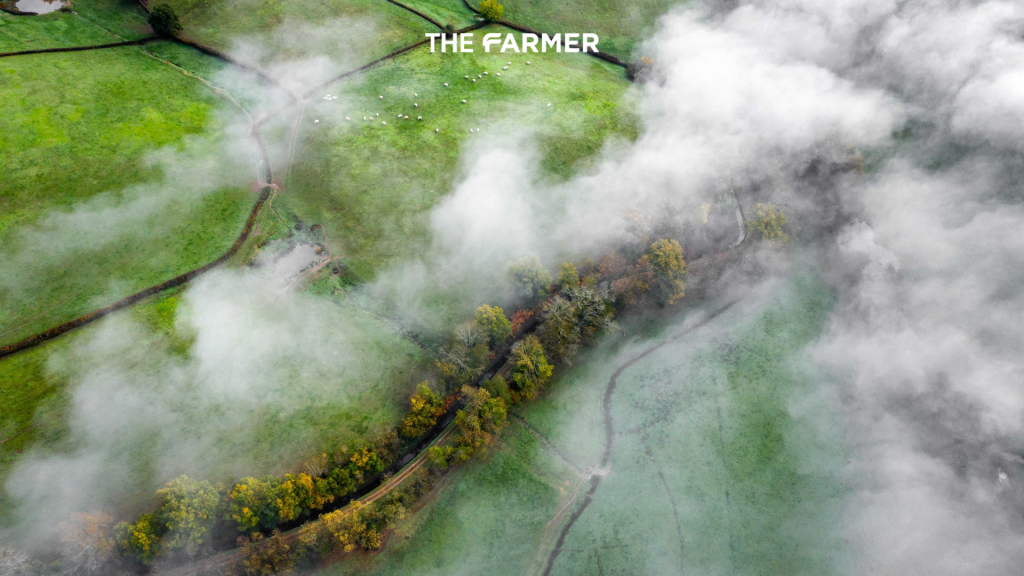
สิ่งที่เกิดขึ้นคือการสร้างสภาพภูมิอากาศเฉพาะถิ่น (Microclimate) โดยสามารถออกแบบให้แผงโซลาร์เซลล์ทำหน้าที่เป็น “ร่มเงาอัจฉริยะ” ที่อาจช่วยลดความร้อนจัดจากแสงอาทิตย์และการระเหยของน้ำในดิน ขณะเดียวกัน การคายน้ำของพืชภายใต้แผงอาจมีส่วนช่วยลดอุณหภูมิ ซึ่งอาจส่งผลดีต่อประสิทธิภาพการผลิตไฟฟ้าในบางเงื่อนไข ทั้งนี้ต้องพิสูจน์ด้วยข้อมูลจากพื้นที่จริง
⸻
Fraunhofer ISE พิสูจน์ประสิทธิภาพการใช้ที่ดินราว 160%
เพื่อให้เห็นภาพของประสิทธิภาพการใช้ที่ดิน ผลการทดลองของ Fraunhofer ISE พบว่า ระบบ Agri-PV ให้ประสิทธิภาพการใช้ที่ดินรวมราว 160% เมื่อเทียบกับการผลิตพืชและไฟฟ้าแยกบนพื้นที่คนละส่วน
กล่าวคือ หากต้องการให้ได้ปริมาณผลผลิตและไฟฟ้าเท่ากัน ระบบแยกที่ดินอาจต้องใช้ที่ดินมากกว่าราว 60% ในกรณีศึกษานั้น ผลผลิตพืชเฉลี่ยอยู่ราว 80% ของแปลงอ้างอิง ขณะที่ผลผลิตไฟฟ้าอยู่ราว 83% ของระบบ ตามที่ PV อ้างอิง อย่างไรก็ตาม ตัวเลขดังกล่าวขึ้นกับชนิดพืช การออกแบบแผง และสภาพพื้นที่ จึงควรใช้เป็น benchmark ไม่ใช่ผลตอบแทนที่รับประกันสำหรับทุกโครงการ
พืชที่ต้องทดสอบและเส้นทางสู่โครงการนำร่อง
สำหรับประเทศไทยที่มีรังสีดวงอาทิตย์สูง Agri-PV มีศักยภาพต่อพืชที่ทนร่มเงาบางส่วนหรือได้ประโยชน์จากการลดความร้อนและการสูญเสียน้ำ แต่การเลือกพืชไม่ควรอาศัยสมมติฐานเพียงอย่างเดียว ผู้พัฒนาโครงการควรทดลองเปรียบเทียบแปลงใต้แผงกับแปลงเปิดในพื้นที่จริง โดยวัดทั้งผลผลิต คุณภาพผลผลิต ปริมาณสารสำคัญ ต้นทุนน้ำ และแรงงาน ก่อนตัดสินใจขยายผลเชิงพาณิชย์ ทั้งนี้ งานวิเคราะห์ภูมิภาคยังชี้ว่าผลของโครงการนำร่องในไทยไม่เหมือนกันทุกชนิดพืช จึงจำเป็นต้องมีการวิจัยและพัฒนาเฉพาะพื้นที่
ในมิติของพลังงาน โครงการ Agri-PV ควรเริ่มจากการวิเคราะห์การใช้ไฟฟ้าภายในกิจการ ความพร้อมของจุดเชื่อมต่อโครงข่าย และทางเลือกเชิงสัญญาที่กฎระเบียบรองรับก่อน สำหรับการซื้อขายไฟฟ้าแบบ Peer-to-Peer นั้น ประเทศไทยยังอยู่ในขั้นทดสอบผ่าน โครงการทดลองนวัตกรรมพลังงาน (ERC Sandbox) ซึ่งผู้พัฒนาอาจยื่นขอเข้าร่วมได้ภายใต้ขอบเขตและเงื่อนไขของ กกพ. ไม่ใช่ตลาดซื้อขายเชิงพาณิชย์ทั่วไป ในทางปฏิบัติ รายได้หรือประโยชน์จากการซื้อขายไฟฟ้าแบบ P2P ควรถูกมองเป็นโอกาสเพิ่มเติมของโครงการ ไม่ใช่สมมติฐานหลักในการประเมินผลตอบแทน จนกว่าจะได้รับอนุมัติและเงื่อนไขการดำเนินงานที่ชัดเจน
หากการจัดหาไฟฟ้าและการจัดการใบรับรองพลังงาน (REC/EAC) เป็นไปตามเกณฑ์ที่เกี่ยวข้อง ผู้ใช้ไฟอาจใช้ประกอบการรายงานการใช้ไฟฟ้าหมุนเวียนหรือเป้าหมาย RE100 ได้ ส่วนการออกคาร์บอนเครดิตต้องพิจารณาการขึ้นทะเบียน และการทวนสอบแยกต่างหาก
⸻
Regenerate: From Farm to Future
Agri-PV เป็นหนึ่งในโครงสร้างพื้นฐานที่มีศักยภาพในการเพิ่มประสิทธิภาพการใช้ที่ดิน ควบคู่กับการผลิตอาหารและพลังงานหมุนเวียนได้ โดยความสำเร็จจะเกิดขึ้นเมื่อการออกแบบทางวิศวกรรม พืชที่เลือกปลูก รูปแบบใช้หรือขายไฟ และกฎระเบียบ ถูกออกแบบให้สอดคล้องกับเงื่อนไขของพื้นที่เดียวกัน
ขั้นตอนแรกที่ควรดำเนินการคือการตั้งทีม เพื่อทำ Feasibility Study นำร่อง โดยโมเดลการเงินต้องแยกวิเคราะห์อย่างน้อย 3 กรณี ได้แก่ 1. ใช้ไฟเองเพื่อลดค่าไฟ 2. ระบบนอกโครงข่าย (Off-grid)/ทดแทนดีเซล และ 3. ขายไฟภายใต้สิทธิหรือสัญญาที่มีอยู่จริง เพราะผลตอบแทนจะแตกต่างกันอย่างมีนัยสำคัญ
นอกจากนี้ยังต้องคำนวณโครงสร้างต้นทุน (CAPEX) อย่างรัดกุม ตั้งแต่ค่าโครงสร้างยกแผง ฐานราก ระบบระบายน้ำ ทางเข้าพื้นที่ ต้นทุนเชื่อมต่อโครงข่าย ค่าบำรุงรักษา ไปจนถึงความเสี่ยงจากผลผลิตหรือคุณภาพพืชที่เปลี่ยนไป รวมถึงควรตรวจสอบสิทธิการใช้ประโยชน์ที่ดิน ระยะเวลาสัญญา ข้อกำหนดการใช้พื้นที่ และการยอมรับของผู้ใช้พื้นที่หรือชุมชนควบคู่กัน เพื่อให้โมเดล Agri-PV สามารถดำเนินงานได้จริงตลอดอายุโครงการ
“ในยุคที่ที่ดินทุกตารางนิ้วมีค่า การวางโครงสร้าง Agri-PV อย่างรัดกุมอาจช่วยสร้างมูลค่าและกระจายแหล่งรายได้ระหว่างเกษตรกับพลังงานได้ อย่างไรก็ตาม ผลลัพธ์ดังกล่าวต้องแลกกับการออกแบบที่ซับซ้อนขึ้น การประเมินความคุ้มค่าของแต่ละพื้นที่อย่างรอบด้าน รวมถึงการบริหารความเสี่ยงร่วมจากสภาพอากาศสุดขั้วที่จะกระทบต่อทั้งระบบการผลิตพลังงานและผลผลิตทางการเกษตรในพื้นที่เดียวกัน”
ร่วมแสดงความคิดเห็นเกี่ยวกับการประยุกต์ใช้และแผนงาน Agrivoltaics ได้ที่ใต้คอมเมนต์นี้
อย่าลืมติดตามซีรีย์ THE COLUMN ได้ทุกวันที่เพจ THE FARMER
⸻
“If forced to choose to invest between ‘agriculture’ for food security and ‘clean energy’ for sustainability, why don’t we design the same plot of land to generate value from both simultaneously?”
This is a model with the potential to generate shared value from both food and energy on the same plot of land. Simultaneously, this model poses a crucial challenge in designing regulations to ensure that land use and energy systems operate in equilibrium.
Historically, the development of large-scale solar farm projects frequently faced disputes over encroaching on arable land (Food-Energy Nexus). When land is used for traditional solar farms, the opportunity to use that space for food crop production is drastically diminished. This raises the question of whether energy production and agriculture can be designed to coexist efficiently. Meanwhile, farmers and the agro-industry are being squeezed by the risk of volatile energy costs. Seeking a solution that maximizes the value of a single plot of land has thus led to a spatial innovation approach known as Agrivoltaics or Agri-PV.
⸻
1.6x Land Use Efficiency: The Role of Microclimates and System Design
Agri-PV is not simply about installing solar panels in a field. It involves designing the system so that the height and spacing of the panels are optimal for the specific crop type, field operations, and the precise amount of sunlight the plants require.
What emerges is the creation of a local Microclimate. Solar panels can be designed to act as a “smart canopy,” potentially reducing extreme heat from the sun and soil water evaporation. Simultaneously, the transpiration of plants beneath the panels can contribute to lowering temperatures, which under certain conditions may positively impact electricity generation efficiency. However, this must be empirically proven with data from actual sites.
⸻
Fraunhofer ISE Proves Land Use Efficiency of Approximately 160%
To illustrate land use efficiency, experimental results from Fraunhofer ISE found that Agri-PV systems yield a combined land use efficiency of around 160% when compared to producing crops and electricity separately on different plots.
In other words, to achieve the equivalent volume of agricultural and electrical output, separate land systems would require roughly 60% more land. In that specific case study, average crop yields stood at about 80% of the reference plot, while electricity output was around 83% of the reference PV system. However, these figures heavily depend on the crop type, panel design, and site conditions. Therefore, they should be utilized as a benchmark rather than a guaranteed return for every project.
⸻
Crops for Testing and the Pathway to Pilot Projects
For Thailand, which possesses high solar radiation, Agri-PV holds potential for crops that tolerate partial shade or benefit from reduced heat and water loss. Yet, crop selection should not rely solely on assumptions. Project developers should conduct trials comparing plots beneath panels with open-air plots in the actual area. This involves measuring yields, produce quality, active ingredient volumes, water costs, and labor before deciding on commercial scaling. Furthermore, regional analyses indicate that pilot project outcomes in Thailand vary across different crop types, underscoring the necessity for site-specific R&D.
In the energy dimension, an Agri-PV project should commence with an analysis of internal electricity consumption, the readiness of grid connection points, and contractual alternatives supported by regulations. Regarding Peer-to-Peer (P2P) electricity trading, Thailand is still in the testing phase through the Energy Regulatory Commission’s ERC Sandbox. Developers may apply to participate under the scope and conditions set by the ERC; it is not yet a general commercial trading market. Practically, revenue or benefits from P2P energy trading should be viewed as an additional project opportunity—not the primary assumption for yield assessments—until explicit operational conditions and approvals are secured.
If electricity procurement and the management of Energy Attribute Certificates (REC/EAC) comply with relevant criteria, energy consumers can utilize them for renewable energy reporting or achieving RE100 targets. As for issuing carbon credits, project registration and independent verification must be considered separately.
⸻
Regenerate: From Farm to Future
Agri-PV is an infrastructure with the potential to maximize land use efficiency in tandem with food and renewable energy production. Success materializes when the engineering design, selected crops, electricity utilization or sales models, and regulations are harmoniously aligned with the specific conditions of the very same site.
The immediate first step is establishing a team to conduct a pilot Feasibility Study. The financial model must be separately analyzed across at least three scenarios: 1. Self-consumption to reduce electricity bills; 2. Off-grid systems/diesel replacement; and 3. Selling electricity under genuinely existing rights or contracts, as the returns will vary significantly.
Furthermore, the Capital Expenditure (CAPEX) structure must be rigorously calculated. This spans the cost of elevated panel structures, foundations, drainage systems, site access, grid connection costs, and maintenance, down to the risks associated with altered crop yields or quality. Concurrently, it is crucial to verify land use rights, contract durations, spatial usage regulations, and the acceptance of land users or local communities. This ensures the Agri-PV model remains practically viable throughout the project’s lifespan.
“In an era where every square inch of land is valuable, robustly structuring Agri-PV can potentially create value and diversify revenue streams between agriculture and energy. However, such outcomes trade off against more complex designs, comprehensive site-specific cost-benefit evaluations, and the joint risk management of extreme weather that will impact both energy production systems and agricultural yields in the same space.”
Share your thoughts on the application and planning of Agrivoltaics in the comments below! Don’t forget to follow THE COLUMN series every day on THE FARMER page.
⸻
𝗧𝗛𝗘 𝗙𝗔𝗥𝗠𝗘𝗥: 𝗴𝗿𝗼𝘄𝗶𝗻𝗴 ◦ 𝗮𝗴𝗿𝗶 ◦ 𝗰𝘂𝗹𝘁𝘂𝗿𝗲 | 𝘙𝘦𝘨𝘦𝘯𝘦𝘳𝘢𝘵𝘪𝘷𝘦 𝘙𝘪𝘴𝘦
Facebook: https://www.facebook.com/thefarmer.th
YouTube: https://www.youtube.com/@thefarmerth
Instagram: https://www.instagram.com/thefarmerthai/

