

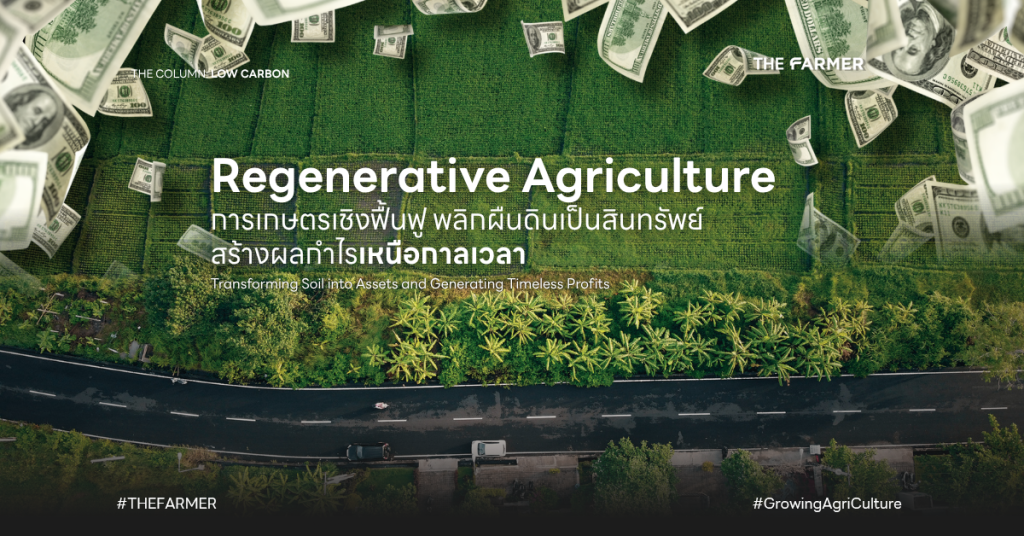
THE COLUMN: Regenerative Agriculture การเกษตรเชิงฟื้นฟู พลิกผืนดินเป็นสินทรัพย์ สร้างผลกำไรเหนือกาลเวลา
THE COLUMN: Regenerative Agriculture – Transforming Soil into Assets and Generating Timeless Profits
⸻
(English is below)
⸻
“ความยั่งยืน (Sustainability) คือการพยายามรักษาสภาพไม่ให้แย่ลงไปกว่าเดิม แต่การฟื้นฟู (Regeneration) คือการชำระหนี้ทางนิเวศที่เกษตรกรรมเชิงเดี่ยวก่อไว้ เพื่อคืนความมั่งคั่งกลับสู่ดินและงบดุลขององค์กร ไม่ใช่เพราะเกษตรกรทำผิด แต่เพราะระบบเกษตรกรรมเชิงเดี่ยวที่โลกสร้างขึ้นมากว่า 70 ปี ได้ใช้ทุนทางธรรมชาติจนหมด”
บทความนี้จะแสดงให้คุณเห็นถึง “สามเหลี่ยมแห่งการเปลี่ยนผ่าน (Transition Triangle)” ที่ทั้งหมดต้องขยับพร้อมกัน เพราะถึงเวลาต้องยอมรับความจริงข้อหนึ่งคือ โมเดลเกษตรกรรมเชิงเดี่ยว (Monoculture) ได้สูบเอา “ทุนทางธรรมชาติ” ไปใช้จนถึงขีดจำกัดแล้ว
ผลลัพธ์ที่สะท้อนกลับมาในงบการเงินคือ ต้นทุนปุ๋ยเคมีที่พุ่งสูงขึ้นตามราคาพลังงานโลก ในขณะที่ผลผลิตต่อไร่ (Yield) กลัลดลงเพราะดินเสื่อมสภาพ ทางรอดเดียวของธุรกิจอาหารแห่งอนาคตจึงไม่ใช่การบีบต้นทุนแบบเดิม แต่คือการเปลี่ยนกระบวนทัศน์สู่ การเกษตรเชิงฟื้นฟู (Regenerative Agriculture) ที่เปลี่ยนผืนดินให้กลายเป็นสินทรัพย์ที่สร้างผลกำไรเติบโตได้เองตามธรรมชาติ
⸻
The ROI of Soil Health: เมื่อสุขภาพดินคือผลตอบแทนการลงทุน
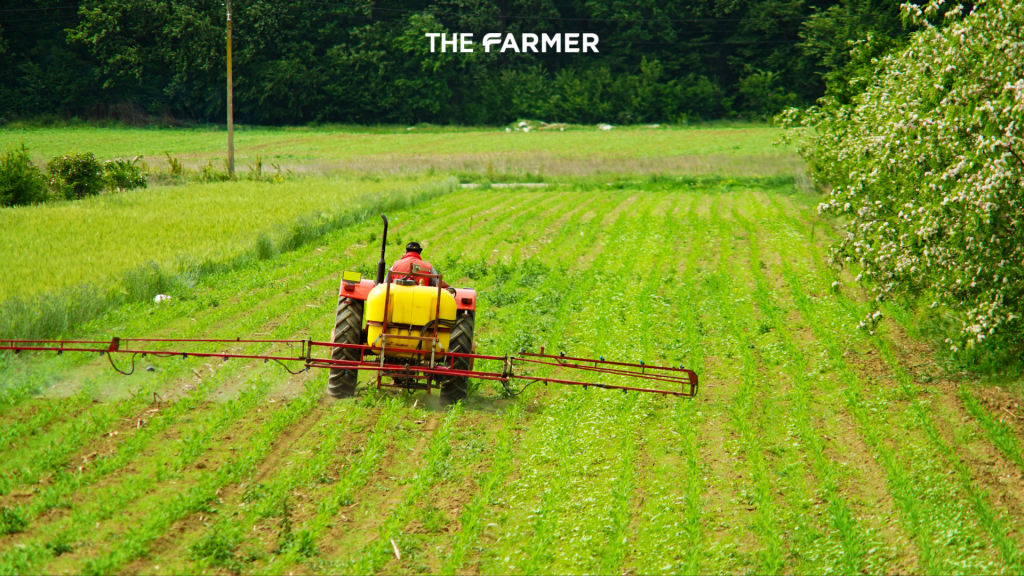
Regenerative Agriculture ไม่ใช่เทคโนโลยีล้ำยุค แต่คือการผสานนวัตกรรมข้อมูลเข้ากับหลักการธรรมชาติ เช่น การปลูกพืชคลุมดิน (Cover Crops) การลดการไถพรวน (No-till) และการปลูกพืชหมุนเวียน (Crop Rotation)
นี่คือกลยุทธ์การลดต้นทุน (Cost Reduction Strategy) ที่ทรงพลังที่สุด เมื่อหน้าดินมีอินทรียวัตถุ (Soil Organic Matter) เพิ่มขึ้นเพียง 1% ดินจะสามารถอุ้มน้ำได้เพิ่มขึ้นมหาศาล ลดภาระต้นทุนระบบชลประทานและการสูบน้ำในช่วงภัยแล้ง ในขณะเดียวกัน จุลินทรีย์ในดินที่ฟื้นตัวจะทำหน้าที่ “ผลิตธาตุอาหาร” ตามธรรมชาติ ช่วยให้ฟาร์มสามารถหั่นงบประมาณการซื้อปุ๋ยเคมีสังเคราะห์ลงได้อย่างเป็นกอบเป็นกำ

⸻
General Mills กับการพิสูจน์ว่า “ฟื้นฟู = กำไรที่สูงกว่า”
บริษัทยักษ์ใหญ่ด้านอาหารระดับโลกอย่าง General Mills (ผู้ผลิตซีเรียลและแบรนด์อาหารชั้นนำ) คือหัวหอกที่ประกาศเป้าหมาย ผลักดันให้เกษตรกรในเครือข่ายนำแนวปฏิบัติเกษตรเชิงฟื้นฟูไปใช้ ในพื้นที่ 1 ล้านเอเคอร์ภายในปี 2030
แทนที่จะบังคับซัพพลายเออร์ General Mills เลือกลงทุนสนับสนุนเงินทุนและองค์ความรู้ให้เกษตรกรในเครือข่ายทดลองปรับเปลี่ยนรูปแบบการเพาะปลูก ข้อมูลจากโครงการนำร่องชี้ให้เห็นความจริงที่น่าทึ่ง แม้ในช่วงปีแรกๆ ผลผลิตรวมอาจไม่ได้พุ่งสูงขึ้นทันที แต่ “ความสามารถในการทำกำไร (Profitability)” ของเกษตรกรกลับเพิ่มขึ้นอย่างมีนัยสำคัญ เนื่องจากต้นทุนปัจจัยการผลิต (ปุ๋ยเคมีและสารกำจัดศัตรูพืช) ลดลงอย่างฮวบฮาบ การฟื้นฟูดินจึงกลายเป็นการสร้างภูมิคุ้มกันทางเศรษฐกิจ (Economic Resilience) ให้กับซัพพลายเชนของบริษัทโดยตรง อ้างอิง: Regenerative Agriculture ของ General Mills
⸻
The Financial Catalyst: “กลุ่มมิตรผล” กับการปลดล็อก Green Loan
ในประเทศไทย การทำ Regenerative Agriculture ไม่ได้หยุดอยู่แค่เรื่องผลผลิต แต่ได้กลายเป็น “กุญแจปลดล็อกแหล่งเงินทุนต้นทุนต่ำ” จากสถาบันการเงินที่กำลังกระหายพอร์ตสินเชื่อสีเขียว (Green Portfolio)
กลุ่มมิตรผล (Mitr Phol Group) ผู้นำอุตสาหกรรมน้ำตาลและพลังงานชีวภาพระดับโลก คือตัวอย่างที่สมบูรณ์แบบ บริษัทได้นำร่องแนวปฏิบัติ “มิตรผล โมเดิร์นฟาร์ม” ที่เน้นการตัดอ้อยสด ไม่เผาใบ และทิ้งใบอ้อยคลุมดินเพื่อเป็นปุ๋ยพืชสดเพิ่มคาร์บอนในดิน (Regenerative Practices)
ข้อมูลการลดการใช้ปุ๋ยเคมีและการฟื้นฟูคุณภาพดินที่วัดผลได้เหล่านี้ ไม่ได้เป็นแค่รายงาน CSR แต่ถูกนำไปผูกเป็นดัชนีชี้วัด (KPIs) เชิงความยั่งยืน ส่งผลให้กลุ่มมิตรผลสามารถเข้าถึง สินเชื่อที่เชื่อมโยงกับการดำเนินงานด้านความยั่งยืน (Sustainability-Linked Loan: SLL) กว่า 4,300 ล้านบาท จาก 3 สถาบันการเงิน (Krungthai 2,000 ล้านบาท, UOB 1,500 ล้านบาท, HSBC 800 ล้านบาท) ทั้งในและต่างประเทศได้สำเร็จ กลไกนี้หมายความว่า ยิ่งฟาร์มสามารถฟื้นฟูระบบนิเวศได้ตามเป้าหมาย องค์กรก็จะได้เพลิดเพลินกับ “อัตราดอกเบี้ยที่ลดลง” นี่คือโมเดลการเปลี่ยนความอุดมสมบูรณ์ของดิน ให้เป็นส่วนลดต้นทุนทางการเงินอย่างแท้จริง อ้างอิง: นโยบายการพัฒนาที่ยั่งยืน กลุ่มมิตรผล
⸻
Regenerate: From Farm to Future
การเปลี่ยนผ่านสู่การเกษตรเชิงฟื้นฟู ต้องใช้เวลาและทรัพยากร แต่การรอช้าจะยิ่งทำให้มูลค่าของสินทรัพย์บนหน้าดินลดลง บริษัทยักษ์ใหญ่และสถาบันการเงินต้องเลิกมองเกษตรกรเป็นเพียงผู้รับเหมาผลิต แต่ต้องมองพวกเขาในฐานะ “พันธมิตรผู้ฟื้นฟูระบบนิเวศ (Ecosystem Restorers)”
สำหรับองค์กรที่ต้องการเริ่มต้น สเตปแรกที่ต้องทำทันทีคือการทำ Soil Baseline Assessment เพื่อวัดค่า Soil Organic Matter, Soil Carbon Content, และ Water Holding Capacity ณ ปัจจุบัน เมื่อคุณมีฐานข้อมูลตัวเลขที่โปร่งใส คุณก็พร้อมที่จะเดินเข้าไปเจรจากับสถาบันการเงินเพื่อขอวงเงิน Green Loan มาอุดหนุนการเปลี่ยนผ่าน (Transition Finance) ให้กับเครือข่ายเกษตรกรของคุณ
“ฟาร์มของคุณในวันนี้ กำลังขุดเอา ‘กำไรล่วงหน้า’ ของผืนดินมาใช้จนหมด หรือกำลัง ‘ฝากเงินออม’ คืนสู่ธรรมชาติ เพื่อกินดอกเบี้ยผลผลิตที่เสถียรและต้นทุนการเงินที่ถูกลงในระยะยาว? ร่วมแสดงความคิดเห็นกันได้ที่ใต้โพสนี้”
อย่าลืมติดตามซีรีย์ THE COLUMN ได้ทุกวันที่เพจ THE FARMER
⸻
“Sustainability is the attempt to maintain conditions from deteriorating further, but Regeneration is paying off the ecological debt caused by monoculture to return wealth to the soil and the corporate balance sheet. This is not because farmers made mistakes, but because the monoculture system the world has built over the past 70 years has exhausted natural capital.”
This article will reveal the “Transition Triangle” where everything must move simultaneously. It is time to accept a fundamental truth: the Monoculture model has drained “natural capital” to its absolute limit.
The reflection on the financial statements is skyrocketing chemical fertilizer costs tracking global energy prices, while Yields plummet due to soil degradation. The only survival path for the future food business is not traditional cost-squeezing, but shifting the paradigm toward Regenerative Agriculture—transforming the land into an asset that naturally generates its own growing profits.
⸻
The ROI of Soil Health: When Soil Health Becomes the Return on Investment
Regenerative Agriculture is not futuristic technology, but the integration of data innovation with natural principles, such as Cover Crops, No-till farming, and Crop Rotation.
This is the most powerful cost-reduction strategy. When Soil Organic Matter increases by a mere 1%, the soil can retain massively more water, reducing the cost burden of irrigation and water pumping during droughts. Simultaneously, restored soil microbes naturally “produce nutrients,” enabling farms to substantially slash synthetic chemical fertilizer budgets.
⸻
General Mills is proving that “Regeneration = Higher Profits”
A global food giant like General Mills (a leading cereal and food brand manufacturer) is the spearhead, announcing a target to push network farmers to adopt regenerative agriculture practices across 1 million acres by 2030.
Instead of forcing suppliers, General Mills opted to invest in funding and knowledge, supporting network farmers to experiment with transitioning their cultivation models. Data from pilot projects reveals a fascinating truth: although total yields might not instantly spike in the early years, the farmers’ “Profitability” increases significantly as input costs (chemical fertilizers and pesticides) plummet. Soil restoration directly becomes the building of Economic Resilience for the company’s supply chain. (Reference: General Mills Regenerative Agriculture)
⸻
The Financial Catalyst: “Mitr Phol Group” Unlocking Green Loans
In Thailand, practicing Regenerative Agriculture does not stop at yields; it has become the “key to unlocking low-cost capital” from financial institutions hungry for Green Portfolios.
Mitr Phol Group, a global leader in the sugar and bio-energy industry, serves as a perfect example. The company piloted the “Mitr Phol ModernFarm” practices, emphasizing fresh sugarcane cutting, no burning, and leaving cane leaves as a soil cover to serve as green manure and increase soil carbon (Regenerative Practices).
Measurable data on reduced chemical fertilizer usage and soil quality restoration are not merely CSR reports, but are tied to sustainability Key Performance Indicators (KPIs). Consequently, Mitr Phol Group successfully accessed over 4.3 billion THB in Sustainability-Linked Loans (SLL) from three domestic and international financial institutions (Krungthai 2 billion THB, UOB 1.5 billion THB, HSBC 800 million THB). This mechanism means that the more a farm achieves its ecological restoration targets, the more the organization enjoys “reduced interest rates.” This is a true model of converting soil fertility into financial cost discounts. (Reference: Mitr Phol Group Sustainable Development Policy)
⸻
Regenerate: From Farm to Future
The transition to regenerative agriculture requires time and resources, but delaying will only further depreciate the value of surface soil assets. Giant corporations and financial institutions must stop viewing farmers merely as production contractors and start viewing them as “Ecosystem Restorers.”
For organizations looking to start, the immediate first step is conducting a Soil Baseline Assessment to measure current Soil Organic Matter, Soil Carbon Content, and Water Holding Capacity. Once you possess a transparent numerical database, you are ready to approach financial institutions to negotiate Green Loans for Transition Finance to support your farmer network.
“Is your farm today excavating the ‘advance profits’ of the land to depletion, or are you ‘depositing savings’ back into nature to reap the long-term interest of stable yields and cheaper financial costs? Share your thoughts in the comments below!”
Don’t forget to follow THE COLUMN series every day on THE FARMER page.
⸻
𝗧𝗛𝗘 𝗙𝗔𝗥𝗠𝗘𝗥: 𝗴𝗿𝗼𝘄𝗶𝗻𝗴 ◦ 𝗮𝗴𝗿𝗶 ◦ 𝗰𝘂𝗹𝘁𝘂𝗿𝗲 | 𝘙𝘦𝘨𝘦𝘯𝘦𝘳𝘢𝘵𝘪𝘷𝘦 𝘙𝘪𝘴𝘦
Facebook: https://www.facebook.com/thefarmer.th
YouTube: https://www.youtube.com/@thefarmerth
Instagram: https://www.instagram.com/thefarmerthai/

