

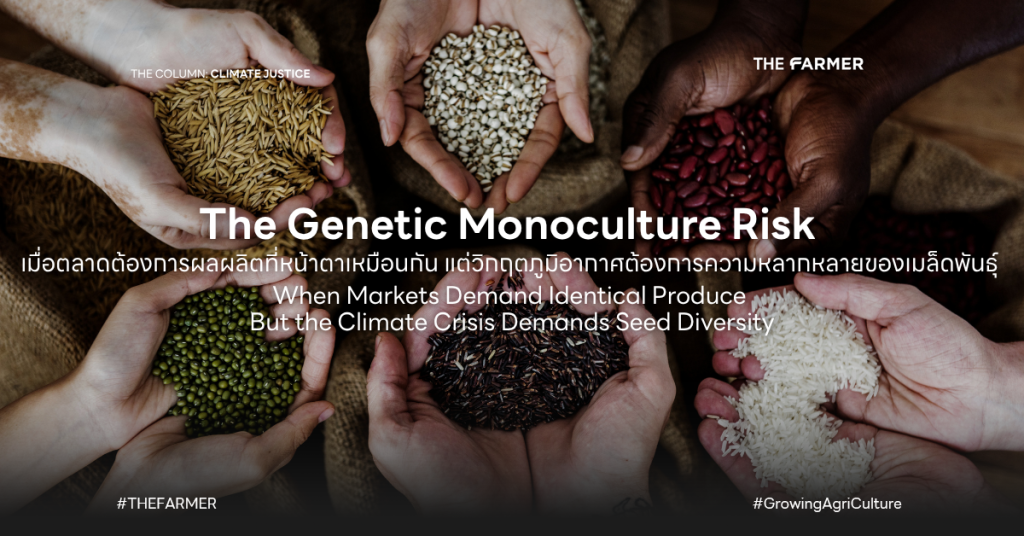
THE COLUMN: The Genetic Monoculture Risk เมื่อตลาดต้องการผลผลิตที่หน้าตาเหมือนกัน แต่วิกฤตภูมิอากาศต้องการความหลากหลายของเมล็ดพันธุ์
THE COLUMN: The Genetic Monoculture Risk — When Markets Demand Identical Produce, But the Climate Crisis Demands Seed Diversity
⸻
(English is below)
⸻
“ในวันที่อากาศและฤดูกาลแปรปรวนเกินคาดเดา เกราะป้องกันที่ดีที่สุดของระบบอาหารอาจไม่ใช่แค่เทคโนโลยีในห้องทดลอง แต่คือ ‘ความหลากหลายทางพันธุกรรม’ ของเมล็ดพันธุ์ท้องถิ่นที่ปรับตัวผ่านกาลเวลานับร้อยปี ทว่าเมื่อกลไกตลาดยังให้ราคากับความเป๊ะของรูปลักษณ์ภายนอกเป็นหลัก คำถามสำคัญจึงไม่ใช่การตัดสินว่าเมล็ดพันธุ์ระบบใดดีกว่ากัน แต่คือเราจะปรับโครงสร้างอย่างไร เพื่อไม่ให้เกษตรกรต้องแบกรับความเสี่ยงจากการพึ่งพาพืชเพียงไม่กี่สายพันธุ์ท่ามกลางวิกฤตโลกร้อนเพียงลำพัง”
⸻
จุดบอดของสมการ ESG เมื่อ ‘ภูมิคุ้มกันทางพันธุกรรม’ หายไปจากมาตรฐานการรับซื้อ
เมื่อพูดถึงการปรับตัวรับมือภาวะโลกร้อนในภาคเกษตร (Climate Adaptation) แนวทางด้านสิ่งแวดล้อม (E) มักพุ่งเป้าไปที่การจัดการน้ำหรือการลดคาร์บอน จนบางครั้งมองข้ามรากฐานที่ลึกที่สุดอย่างเรื่อง “เมล็ดพันธุ์” ตลอดหลายสิบปีที่ผ่านมา ระบบอาหารสมัยใหม่ได้พัฒนาสายพันธุ์พืชที่ให้ผลผลิตสูงและมีหน้าตาขนาดสม่ำเสมอ เพื่อรองรับการแปรรูปและการขนส่งระดับอุตสาหกรรม ซึ่งช่วยสร้างความมั่นคงทางอาหารในแง่ปริมาณได้อย่างมหาศาล แต่ในอีกด้านหนึ่ง การมุ่งเน้นแต่สายพันธุ์หลักเพียงไม่กี่ชนิด ก็ทำให้พันธุ์พืชพื้นเมืองที่มีคุณสมบัติทนแล้ง ทนน้ำท่วม หรือทนโรคแมลงเฉพาะถิ่น ค่อยๆ หายไปจากแปลงเพาะปลูก
การทำความเข้าใจปัญหานี้ต้องมาทำความรู้จักคำศัพท์หลักสามคำ ประการแรกคือ ความหลากหลายทางชีวภาพเพื่อการเกษตร (Agrobiodiversity) ซึ่งในที่นี้หมายถึงความหลากหลายของสายพันธุ์พืชและเมล็ดพันธุ์ท้องถิ่นที่ช่วยกระจายความเสี่ยงให้ระบบเกษตร โดยความสามารถในการปรับตัวจริงย่อมขึ้นอยู่กับดิน น้ำ และสภาพแวดล้อมในแต่ละพื้นที่ ประการที่สองคือ การกร่อนตัวทางพันธุกรรม (Genetic Erosion) หรือภาวะที่ความหลากหลายของสายพันธุ์พืชดั้งเดิมค่อยๆ หายไป เมื่อระบบการผลิตเปลี่ยนไปใช้สายพันธุ์การค้าเพียงไม่กี่ชนิด และประการสุดท้ายคือ เกณฑ์มาตรฐานรูปลักษณ์ทางการค้า (Cosmetic & Commercial Specifications) หรือข้อกำหนดของตลาดรับซื้อที่ระบุขนาด สี และรูปทรงของผลผลิตอย่างตายตัว
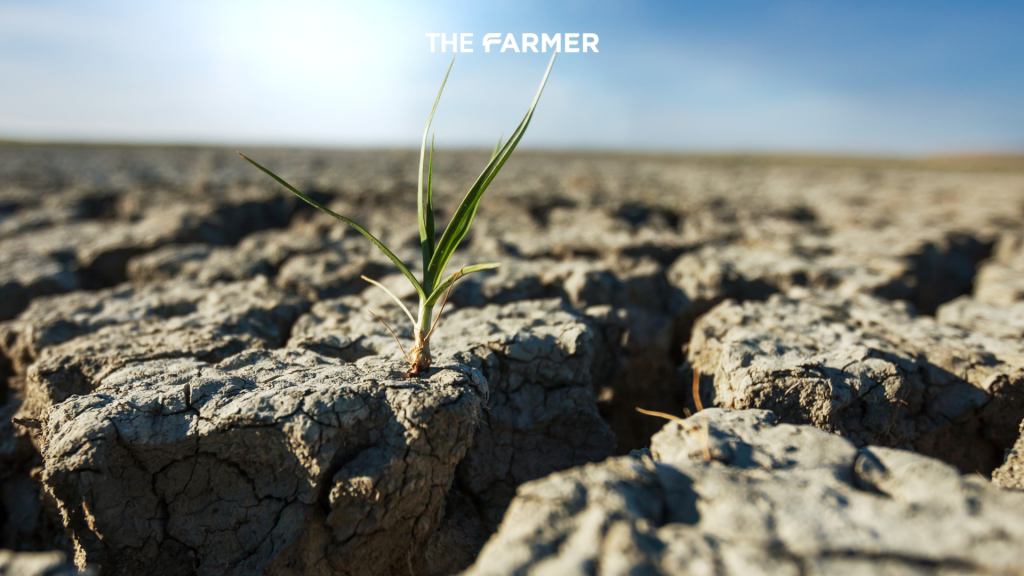
จุดบอดสำคัญของสมการ ESG ปัจจุบัน คือการแยกเรื่องการอนุรักษ์พันธุกรรมพืชออกจากมิติสังคม (S) และการกำกับดูแลห่วงโซ่อุปทาน (G) เพราะในขณะที่เวทีโลกเรียกร้องให้ภาคเกษตรสร้างความยืดหยุ่นต่อสภาพอากาศ แต่สัญญารับซื้อและเกณฑ์คัดเกรดผลผลิตที่ปลายน้ำอาจยังบีบให้เกษตรกรต้องปลูกเฉพาะสายพันธุ์หลักที่ตลาดคุ้นเคย ส่งผลให้ภาระความเสี่ยงเมื่ออากาศแปรปรวนจนพืชสายพันธุ์หลักเสียหาย ตกอยู่ที่เกษตรกรต้นน้ำเต็มๆ
⸻
ถอดรหัส 3 กลไกต้นทุนแฝงเบื้องหลังความเปราะบางทางสายพันธุ์
1. The Cosmetic Specification Trap (กับดักมาตรฐานความสวยเป๊ะที่จำกัดทางเลือกสายพันธุ์)
ในระบบค้าปลีกและโรงงานแปรรูป การกำหนดสเปกผลผลิตให้มีขนาดและรูปร่างเท่ากันเป็นเรื่องจำเป็นเพื่อให้แพ็กใส่บรรจุภัณฑ์ได้ง่ายและลดของเสียในสายพานการผลิต ไม่ใช่ความตั้งใจที่จะทำลายความหลากหลายทางธรรมชาติ อย่างไรก็ตาม เกณฑ์ที่เป๊ะเหล่านี้มักเข้ากันได้ดีกับเมล็ดพันธุ์การค้าเพียงบางสายพันธุ์ ในขณะที่พืชพันธุ์พื้นเมืองหรือพันธุ์ผสมเปิด (Open-pollinated varieties) ที่อาจทนต่อสภาพอากาศแปรปรวนได้ดีกว่าในบางพื้นที่ มักให้ผลผลิตที่ขนาดไม่เท่ากันหรือหน้าตาไม่ตรงตามพิมพ์นิยม เมื่อผู้รับซื้อไม่มีช่องทางหรือราคาสำหรับผลผลิตกลุ่มนี้ เกษตรกรจึงแทบไม่มีทางเลือกอื่นนอกจากต้องปลูกสายพันธุ์ที่ตลาดต้องการ แม้จะต้องแลกมาด้วยความเปราะบางต่อสภาพอากาศที่สูงขึ้นก็ตาม
2. The Input-Dependency Squeeze (แรงบีบคั้นจากการพึ่งพาปัจจัยการผลิตท่ามกลางอากาศแปรปรวน)
เมล็ดพันธุ์ที่ถูกพัฒนาให้ผลผลิตสูงในระบบเกษตรกระแสหลัก มักถูกออกแบบมาให้เติบโตได้ดีที่สุดเมื่อได้รับการดูแลอย่างสมบูรณ์แบบ ทั้งน้ำที่เพียงพอ ปุ๋ยตามสูตร และการคุมศัตรูพืชที่แม่นยำ แต่ในความเป็นจริง เกษตรกรรายย่อยจำนวนมากต้องทำเกษตรในพื้นที่รอน้ำฝนและเจอกับอากาศที่คาดเดาไม่ได้ เมื่อเกิดคลื่นความร้อนหรือภัยแล้งนอกฤดู พืชสายพันธุ์ที่ต้องการการดูแลสูงเหล่านี้อาจเสียหายหนัก ก่อให้เกิดทั้ง ต้นทุนทางเศรษฐกิจ จากค่าเมล็ดพันธุ์ที่ต้องซื้อใหม่ทุกรอบการปลูก รวมถึงค่าปุ๋ยและยาที่จ่ายไปแล้วแต่ผลผลิตพังเสียหาย และเกิด ค่าเสียโอกาส ที่ครัวเรือนเกษตรกรต้องเสียเวลาและแรงงานไปกับการประคับประคองแปลงปลูก แทนที่จะได้นำเวลาไปสร้างรายได้ด้านอื่น
3. The Erosion of Local Climate Insurance (การสูญเสีย ‘ภูมิคุ้มกันทางพันธุกรรมท้องถิ่น’ ที่ประเมินค่าไม่ได้)
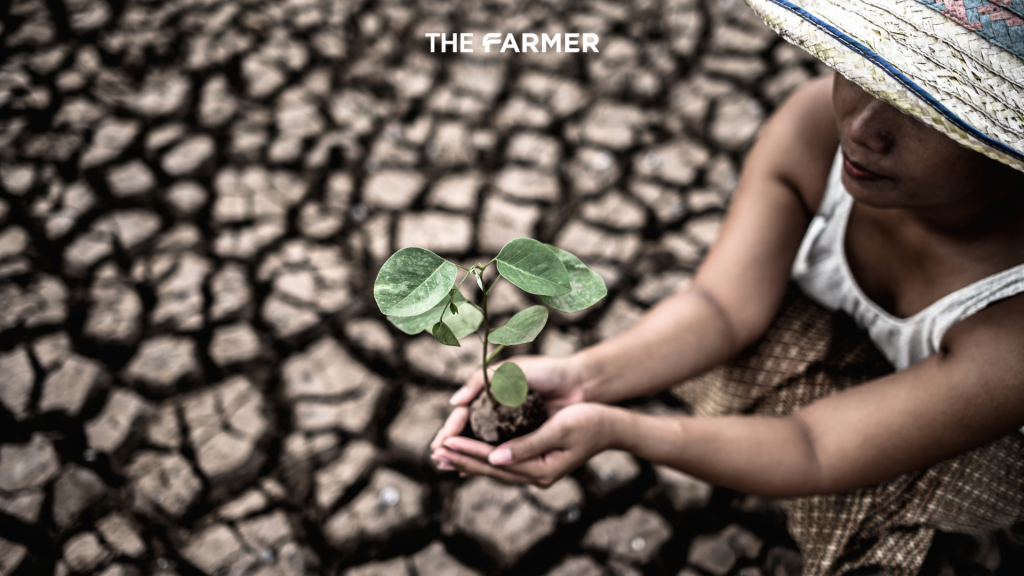
การที่เกษตรกรเลิกปลูกและเลิกเก็บเมล็ดพันธุ์พื้นเมืองเพราะไม่มีตลาดรองรับ ไม่ใช่แค่การสูญเสียทางวัฒนธรรม แต่คือการสูญเสีย “ระบบประกันภัยธรรมชาติ” ที่สำคัญที่สุดของห่วงโซ่อาหาร พันธุ์พืชท้องถิ่นที่เกษตรกรคัดเลือกและเก็บต่อๆ กันมารุ่นสู่รุ่น มักมียีนเด่นที่ทนทานต่อสภาพแวดล้อมเฉพาะถิ่นซ่อนอยู่ เมื่อความหลากหลายเหล่านี้หายไปจากไร่นา ระบบอาหารทั้งหมดจะตกอยู่ในความเสี่ยงร่วมกันทันที เพราะหากเกิดโรคแมลงสายพันธุ์ใหม่ระบาด หรือเกิดอากาศสุดขั้วที่โจมตีพืชสายพันธุ์หลักเพียงตัวเดียว ห่วงโซ่อาหารตั้งแต่ต้นน้ำถึงปลายน้ำก็อาจสะดุดลงพร้อมกัน โดยไม่มีสายพันธุ์สำรองที่พร้อมใช้งานในพื้นที่
⸻
Evidence & Context: หลักฐานระดับโลกสู่บริบทท้องถิ่น
สัญญาณเตือนเรื่องการลดลงของความหลากหลายทางพันธุกรรมพืชเป็นเรื่องที่ทั่วโลกให้ความสำคัญ โดยข้อมูลสรุปของ องค์การอาหารและการเกษตรแห่งสหประชาชาติ (FAO) ภายใต้กรอบสนธิสัญญาระหว่างประเทศว่าด้วยทรัพยากรพันธุกรรมพืชเพื่ออาหารและการเกษตร และ รายงานเชิงกรอบว่าด้วยสถานะความหลากหลายทางชีวภาพเพื่ออาหารและการเกษตรของโลก ระบุว่าแม้โลกจะมีพืชที่กินได้หลายพันชนิด แต่ปัจจุบันระบบอาหารโลกกลับพึ่งพาพืชหลักเพียงไม่กี่สิบชนิด และในจำนวนนั้นยังพึ่งพาเพียงไม่กี่สายพันธุ์ย่อย พร้อมชี้ว่าการที่พันธุกรรมพืชลดความหลากหลายลง กำลังเพิ่มความเสี่ยงให้กับการผลิตอาหารท่ามกลางวิกฤตภูมิอากาศ จากกรอบดังกล่าว จึงสะท้อนว่าการรักษาความหลากหลายของเมล็ดพันธุ์ในไร่นาคือหัวใจสำคัญของความมั่นคงทางอาหารในระยะยาว
สำหรับบริบทที่อาจพบในประเทศไทย ความหลากหลายของพันธุ์พืชท้องถิ่นมีให้เห็นอย่างชัดเจนในหลายภูมิภาค โดยกรอบข้อมูลทรัพยากรพันธุกรรมพืชของ กรมการข้าว (Rice Department) และฐานข้อมูลความหลากหลายทางชีวภาพของ สำนักงานนโยบายและแผนทรัพยากรธรรมชาติและสิ่งแวดล้อม (สผ.) ชี้ให้เห็นว่าไทยมีข้าวพื้นเมืองหลายพันสายพันธุ์ รวมถึงผักและไม้ผลท้องถิ่นที่เกษตรกรคัดเลือกให้เข้ากับพื้นที่ตัวเอง เช่น ข้าวพื้นเมืองทนแล้งและทนดินเค็มในพื้นที่เกษตรน้ำฝนภาคอีสาน (เช่น เครือข่ายเกษตรกรในจังหวัดยโสธรและสุรินทร์) ข้าวขึ้นน้ำที่ปรับตัวหนีน้ำท่วมขังในพื้นที่ลุ่มภาคกลาง ไปจนถึงเครือข่ายธนาคารเมล็ดพันธุ์ชุมชนของกลุ่มเกษตรกรในภาคเหนือ (เช่น จังหวัดเชียงใหม่และเชียงราย) ที่ช่วยกันเก็บรักษาพันธุ์ผักพื้นบ้านและถั่วท้องถิ่นที่ทนต่อสภาพอากาศบนพื้นที่สูง จากข้อมูลดังกล่าว เมื่อนำมามองต่อในมุมการตลาดของไทย จึงพบความท้าทายว่าในการค้าขายระดับใหญ่ โรงสี พ่อค้าคนกลาง และโมเดิร์นเทรด ยังจำเป็นต้องรับซื้อผลผลิตเพียงไม่กี่สายพันธุ์หลักเพื่อให้แปรรูปและแพ็กลงบรรจุภัณฑ์ได้มาตรฐานเดียวกัน ขณะที่ผลผลิตจากพันธุ์พื้นเมืองหรือการปลูกพืชผสมผสานหลายสายพันธุ์ อาจติดข้อจำกัดเรื่องขนาดเมล็ดที่ไม่เท่ากัน รูปลักษณ์ที่ไม่คุ้นตา และปริมาณที่มีไม่ต่อเนื่อง ทั้งนี้ ความเหมาะสมในการเลือกใช้เมล็ดพันธุ์แต่ละแบบย่อมขึ้นอยู่กับหลายปัจจัย เช่น ชนิดพืช การนำไปแปรรูป สภาพพื้นที่ฟาร์ม การเข้าถึงแหล่งเมล็ดพันธุ์ และระบบสัญญารับซื้อ โดยรูปแบบและขนาดของผลกระทบทางเศรษฐกิจจริงควรตรวจสอบด้วยข้อมูลภาคสนามในแต่ละพื้นที่ของไทยเพิ่มเติม
⸻
Regenerate: From Farm to Future
การคลี่คลายความเสี่ยงนี้ต้องอาศัยการกำกับดูแล (Governance) ที่เชื่อมเรื่องการอนุรักษ์เมล็ดพันธุ์เข้ากับกลไกตลาด เพื่อให้เกษตรกรรักษาความหลากหลายของสายพันธุ์ได้โดยไม่เสียโอกาสทางรายได้ โดยธุรกิจแปรรูปและค้าปลีกสามารถปรับเกณฑ์คัดเกรดรูปลักษณ์ภายนอกให้ยืดหยุ่นขึ้น เปิดรับซื้อผลผลิตสายพันธุ์ท้องถิ่นที่มีเอกลักษณ์ และร่วมสนับสนุนทุนวิจัยหรือช่วยแบ่งปันความเสี่ยงให้เกษตรกรที่ทดลองปลูกสายพันธุ์ทนสภาพอากาศตามข้อกำหนดโครงการ พร้อมวัดผล (KPIs) จากสัดส่วนความหลากหลายของสายพันธุ์ที่รับซื้อควบคู่กับรายได้เกษตรกร ภายใต้ระบบที่เคารพความเป็นส่วนตัวของข้อมูล (Data Privacy) และไม่สร้างภาระงานเอกสารให้รายย่อย ขณะที่ระดับ SMEs สหกรณ์ และกลุ่มเกษตรกร ควรร่วมกันหนุนธนาคารเมล็ดพันธุ์ชุมชน และพัฒนาคุณภาพเมล็ดพันธุ์ท้องถิ่นให้ได้มาตรฐานความงอกและปลอดโรค โดยทำข้อตกลงรับซื้อและจ่ายเงินผ่านช่องทางที่ยืดหยุ่น เช่น บัญชีผู้มีสิทธิ บัญชีร่วม หรือกลุ่มวิสาหกิจ ควบคู่กับกลไกร้องเรียนระดับพื้นที่เรื่องสัญญาและคุณภาพปัจจัยการผลิตที่เข้าถึงง่ายโดยไม่ผ่านผู้มีอำนาจ รักษาความลับ ป้องกันการตอบโต้ (Non-retaliation) และวัดผลจากทั้งจำนวนเรื่อง ระยะเวลาตอบสนอง และการแก้ไขได้จริง ส่วนผู้บริโภคสามารถร่วมขับเคลื่อนได้ด้วยการเปิดใจชิมพืชผักผลไม้สายพันธุ์ท้องถิ่น และเข้าใจความหลากหลายของหน้าตาผลผลิตตามธรรมชาติ
ท้ายที่สุด การกระจายความเสี่ยงทางสายพันธุ์และการช่วยให้เกษตรกรเข้าถึงเมล็ดพันธุ์ที่หลากหลาย ไม่ได้เป็นเพียงการอนุรักษ์ธรรมชาติหรือการเคารพหลักการด้านสิทธิมนุษยชนและสิทธิเกษตรกรตามบริบทของมาตรฐานสากลที่เกี่ยวข้องเท่านั้น แต่ยังเป็นส่วนหนึ่งของการสร้างความยืดหยุ่นให้ห่วงโซ่อุปทานและการวางแผนความต่อเนื่องทางธุรกิจ (Business Continuity Planning: BCP) เพราะในวันที่อากาศโลกคาดเดาไม่ได้อีกต่อไป ห่วงโซ่อาหารที่จะอยู่รอดได้อย่างมั่นคง ย่อมไม่ใช่ห่วงโซ่ที่ฝากอนาคตไว้กับพืชเพียงสายพันธุ์เดียว แต่คือห่วงโซ่ที่มีความหลากหลายของเมล็ดพันธุ์ในไร่นาเป็นเกราะคุ้มกันให้กับทั้งเกษตรกรและธุรกิจไปพร้อมกัน
⸻
อย่าลืมติดตามบทความ THE COLUMN ที่ผมเขียนอัปเดตสาระลึกซึ้งแบบนี้ได้ที่หน้า WEBSITE และ FACEBOOK ของ THE FARMER
⸻
“On a rapidly warming planet where weather and seasons defy prediction, the ultimate defense for our food system may not lie solely in laboratory technologies, but in the ‘agrobiodiversity’ of local seeds forged through centuries of adaptation. Yet as market mechanisms continue to reward visual perfection, the core question is not about judging which seed system is superior, but about restructuring our food chains so farmers are not left to bear the risks of monoculture dependency alone amid a deepening climate crisis.”
⸻
The Blind Spot in the ESG Equation When ‘Genetic Resilience’ Disappears from Sourcing Standards
When discussing climate adaptation in agriculture, environmental (E) initiatives often focus narrowly on water management or carbon reduction, frequently overlooking the foundational bedrock of agriculture: seeds. Over recent decades, modern food systems have developed crop varieties delivering high yields and uniform physical traits to facilitate industrial processing and transport, vastly securing quantitative food availability. Yet on the flip side, this intense focus on just a handful of staple varieties has steadily pushed indigenous and local crop varieties—endowed with natural resilience against droughts, floods, or localized pests—out of active cultivation.
Grasping this challenge requires defining three core concepts. First is Agrobiodiversity, denoting the variety of crop species and local seeds that help buffer agricultural ecosystems, with actual adaptive capacity depending heavily on local soil, water, and environmental conditions. Second is Genetic Erosion, the gradual loss of traditional crop diversity as production systems shift toward a handful of commercial cultivars. Third is Cosmetic and Commercial Specifications, the rigid buyer requirements dictating strict uniformity in produce size, color, and shape.
The glaring blind spot in today’s ESG equation is the separation of plant genetic conservation from Social (S) and Supply Chain Governance (G) dimensions. While global platforms urge agriculture to build climate resilience, downstream purchasing contracts and grading standards continue forcing farmers into cultivating conventional, market-dependent varieties. Consequently, whenever extreme weather strikes and primary crops fail, the entire risk burden falls squarely on upstream producers.
⸻
Decoding 3 Hidden Cost Mechanisms Behind Genetic Vulnerability
1. The Cosmetic Specification Trap
Within retail and food processing sectors, enforcing uniform size and shape is vital for efficient packaging and minimizing waste along processing lines—driven by operational necessity rather than deliberate ecological destruction. However, these rigid specifications align almost exclusively with specific commercial seeds. Meanwhile, indigenous crops or open-pollinated varieties—which often exhibit superior climate resilience in specific local contexts—frequently yield produce with irregular sizes or non-standard appearances. Without commercial channels or fair pricing for such produce, farmers are left with virtually no choice but to grow what the market demands, even if it heightens climate vulnerability.
2. The Input-Dependency Squeeze
Mainstream high-yield seeds are engineered to express their maximum genetic potential only under pristine environmental and managed conditions, demanding optimal irrigation, precise fertilizer formulas, and intensive pest control. In reality, however, numerous smallholders farm rain-fed lands under unpredictable weather patterns. When unseasonal heatwaves or droughts strike, these high-maintenance crops suffer severe damage, triggering both economic costs—from repeatedly purchasing expensive hybrid seeds every cycle and writing off sunk fertilizer and chemical investments—and opportunity costs, as farm households spend precious time and labor nursing fragile crops instead of pursuing other livelihood avenues.
3. The Erosion of Local Climate Insurance
When farmers abandon growing and saving native seeds due to a lack of market outlets, the loss extends far beyond culture—it strips away the food system’s ultimate “natural insurance policy.” Local varieties, selected and preserved across generations by farming communities, harbor innate genetic traits capable of withstanding localized environmental stress. Once this diversity vanishes from the fields, the entire food chain shares a synchronized vulnerability. If a novel pest outbreak or extreme weather event targets that single primary variety, the entire supply chain from farm gate to fork risks simultaneous collapse without localized fallback options.
⸻
Evidence & Context: From Global Evidence to Local Realities
Global recognition of declining crop genetic diversity is widespread. Key summaries from the Food and Agriculture Organization of the United Nations (FAO) under the International Treaty on Plant Genetic Resources for Food and Agriculture, alongside the FAO Global Assessment on Biodiversity for Food and Agriculture, highlight that despite thousands of edible plant species existing on Earth, contemporary food systems rely heavily on just a few dozen major crops—and within those, a very narrow pool of sub-varieties. They warn that genetic erosion gravely compounds agricultural risks amid climate change. This global framework underscores that maintaining on-farm seed diversity remains paramount for long-term food security.
Locally within Thailand, remarkable crop genetic diversity thrives across multiple regions. Information frameworks from the Rice Department and biodiversity databases from the Office of Natural Resources and Environmental Policy and Planning (ONEP) indicate that Thailand possesses thousands of native rice strains, alongside indigenous vegetables and fruits preserved and selected by farmers to match microclimates. Examples include drought- and salt-tolerant native rice varieties across rain-fed agricultural zones in the Northeast (such as farming networks in Yasothon and Surin provinces), deep-water rice strains adapted to seasonal flooding in Central basin wetlands, and community seed banking networks across Northern provinces (like Chiang Mai and Chiang Rai) preserving upland indigenous vegetables and local legumes. Nevertheless, analyzing these realities through Thailand’s commercial lens reveals persistent structural hurdles: large-scale rice mills, middlemen, and modern retail chains require standardized volume and consistent single-variety processing, while multi-variety or indigenous harvests face barriers regarding inconsistent kernel sizes, irregular appearances, and fragmented supply volumes. Ultimately, optimal seed choices depend on multiple confounding factors—including crop type, processing requirements, farm geography, seed access, and contractual arrangements—meaning localized field data should be verified across individual Thai regions.
⸻
Regenerate: From Farm to Future
Resolving this vulnerability demands governance frameworks linking plant genetic conservation directly with market mechanisms, ensuring farmers can safeguard biodiversity without sacrificing income. Food processors and retailers can ease cosmetic grading standards, open purchasing channels for distinct local varieties, and co-fund research or risk-sharing arrangements for farmers cultivating climate-resilient crops under program guidelines. Governance KPIs can track the proportion of diverse raw material sourcing alongside farmer income growth, respecting Data Privacy without overburdening smallholders with paperwork. Meanwhile, SMEs, cooperatives, and farmer networks should bolster community seed banks, refine local seed quality for high germination and disease freedom, and establish flexible payment structures—such as eligible member accounts, joint accounts, or cooperative enterprises. These must pair with accessible local grievance mechanisms operating independently of authority figures, guaranteeing strict confidentiality and non-retaliation while measuring success by complaint counts, response speeds, and concrete resolutions. Consumers can equally drive change by opening up to tasting indigenous produce and embracing natural variations in food appearance.
Ultimately, diversifying crop genetics and securing farmer access to diverse seeds transcends basic nature conservation or adherence to international human rights and farmers’ rights principles—it is an indispensable component of building supply chain resilience and Business Continuity Planning (BCP). As global weather patterns grow increasingly unpredictable, food supply chains capable of long-term survival will not be those gambling everything on a single crop variety, but those anchored by rich on-farm agrobiodiversity serving as a mutual shield for both farmers and enterprises alike.
⸻
Don’t forget to follow THE COLUMN, where I update deep-dive insights like this every day on THE FARMER’s WEBSITE and FACEBOOK.
⸻
𝗧𝗛𝗘 𝗙𝗔𝗥𝗠𝗘𝗥: 𝗴𝗿𝗼𝘄𝗶𝗻𝗴 ◦ 𝗮𝗴𝗿𝗶 ◦ 𝗰𝘂𝗹𝘁𝘂𝗿𝗲 | 𝘙𝘦𝘨𝘦𝘯𝘦𝘳𝘢𝘵𝘪𝘷𝘦 𝘙𝘪𝘴𝘦
Facebook: https://www.facebook.com/thefarmer.th
YouTube: https://www.youtube.com/@thefarmerth
Instagram: https://www.instagram.com/thefarmerthai/

