

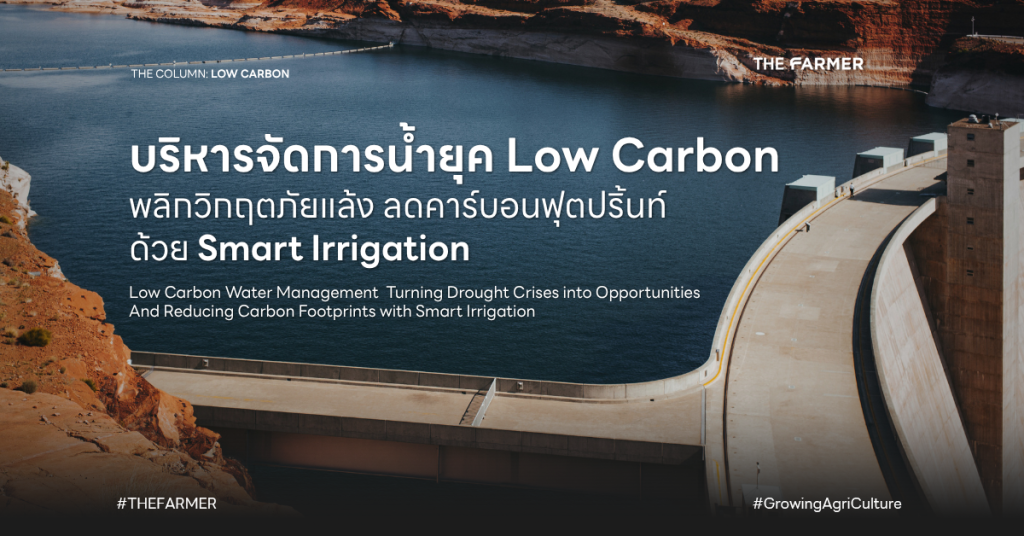
THE COLUMN: บริหารจัดการน้ำยุค Low Carbon — พลิกวิกฤตภัยแล้ง ลดคาร์บอนฟุตปริ้นท์ด้วย Smart Irrigation
THE COLUMN: Low Carbon Water Management — Turning Drought Crises into Opportunities and Reducing Carbon Footprints with Smart Irrigation
⸻
(English is below)
⸻
“ทุกหยดน้ำที่สูบขึ้นมาหล่อเลี้ยงแปลงเกษตร มีราคาที่ต้องจ่ายด้วยพลังงานมหาศาล… น้ำจึงไม่ใช่แค่เรื่องของความชุ่มชื้น แต่คือ ‘คาร์บอนฟุตปริ้นท์’ ก้อนใหญ่ที่ถูกซ่อนไว้ในซัพพลายเชนอาหาร”
เมื่อพูดถึงเรื่องน้ำ เรามักนึกถึงภัยแล้งหรือน้ำท่วม แต่ในความเป็นจริง การบริหารจัดการน้ำมีความเชื่อมโยงกับพลังงานอย่างแยกไม่ออก (Water-Energy Nexus)
ระบบสูบน้ำเพื่อการเกษตรแบบดั้งเดิมที่พึ่งพาเครื่องยนต์ดีเซลหรือไฟฟ้าจากเชื้อเพลิงฟอสซิล คือหนึ่งในต้นตอของการปล่อยก๊าซเรือนกระจกที่หลายคนมักมองข้ามในภาคการเกษตร การเดินเครื่องสูบน้ำแบบเดิมต่อไป จึงไม่ต่างจากการเผาผลาญทั้งต้นทุนพลังงานและขีดความสามารถในการแข่งขันในยุคกติกาโลกใหม่
⸻
Mitigation & Adaptation: ยิงปืนนัดเดียวได้นกสองตัว
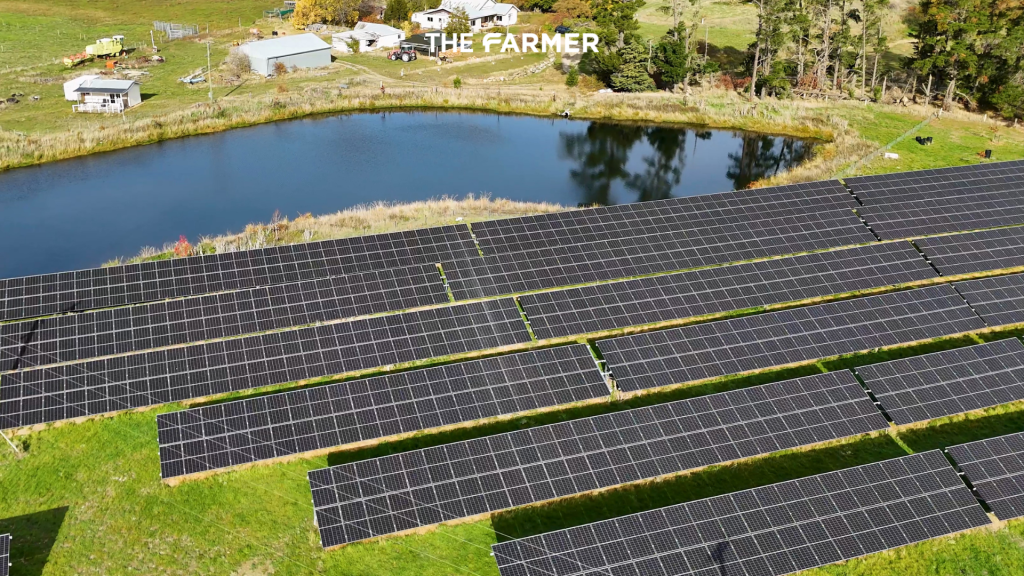
การยกระดับไปสู่ระบบ Smart Irrigation (ระบบชลประทานอัจฉริยะ) ด้วยการผสานเทคโนโลยีปั๊มน้ำพลังงานแสงอาทิตย์ (Solar Water Pumps) เข้ากับเซ็นเซอร์วัดความชื้นในดิน (Soil Moisture Sensors) คือเกมรุกที่ตอบโจทย์ถึง 2 มิติในเวลาเดียวกัน:
- Mitigation (การลดคาร์บอน): เปลี่ยนจากการเผาน้ำมันดีเซลมาใช้พลังงานสะอาด 100% ตัดวงจรการปล่อยคาร์บอนฟุตปริ้นท์จากกระบวนการใช้น้ำได้อย่างมีนัยสำคัญ
- Adaptation (การปรับตัวรับมือภัยแล้ง): เซ็นเซอร์จะทำงานเสมือน “สมองกล” สั่งจ่ายน้ำเฉพาะเมื่อพืชต้องการและในปริมาณที่พอดี แทนการรดน้ำแบบท่วมขังหรือตั้งเวลาแบบเดิม ช่วยปกป้องผลผลิตและประหยัดน้ำได้ถึง 30-50% ในยุคที่สภาพอากาศแปรปรวนสุดขั้ว

⸻
SunCulture เปลี่ยนแสงอาทิตย์เป็นน้ำ ดึงดูดทุนระดับโลก
ลองดูเคสของสตาร์ทอัพ Water-Tech อย่าง SunCulture ที่เข้าไปปฏิวัติการเกษตรในทวีปแอฟริกา พวกเขาเปลี่ยนจากการใช้เครื่องสูบน้ำดีเซลที่ปล่อยมลพิษ มาเป็นระบบปั๊มน้ำโซลาร์เซลล์ควบคู่กับระบบชลประทานน้ำหยดอัจฉริยะ (Solar-powered drip irrigation)
ผลลัพธ์ที่ได้นั้นน่าทึ่ง เกษตรกรสามารถเพิ่มผลผลิตได้ถึง 300% ประหยัดการใช้น้ำได้ถึง 80% และที่สำคัญคือสามารถหลีกเลี่ยงการปล่อยคาร์บอนไดออกไซด์ได้ ราว 136,000 – 240,000 ตัน CO2eq ต่อปี ความสำเร็จนี้ทำให้ SunCulture ดึงดูดเงินลงทุนจากสถาบันการเงินที่เน้นความยั่งยืน (Green Finance) และนักลงทุนระดับโลกได้ กว่า 45 ล้านเหรียญ นี่คือเครื่องยืนยันว่า เทคโนโลยีบริหารจัดการน้ำที่ตอบโจทย์ Low Carbon คือ “แม่เหล็กดึงดูดทุน” อย่างแท้จริง
⸻
Business Opportunity: โอกาสของ Water-Tech ไทย
ในประเทศไทย นวัตกรรมจัดการน้ำก็กำลังเติบโตอย่างก้าวกระโดดและเปิดกว้าง ตัวอย่างที่เห็นได้ชัดคือระบบ HandySense (ระบบเกษตรแม่นยำฟาร์มอัจฉริยะ) ที่พัฒนาโดยศูนย์เทคโนโลยีอิเล็กทรอนิกส์และคอมพิวเตอร์แห่งชาติ (NECTEC) ซึ่งเปิดเป็น Open Innovation เปิดเผยพิมพ์เขียว (Schematic, PCB Design, Firmware) ให้สตาร์ทอัพและเกษตรกรนำไปผลิตหรือต่อยอดใช้งานได้ฟรี เพื่อช่วยยกระดับรายได้ให้เกษตรกรอย่างน้อย 20% อย่างเป็นรูปธรรม
เมื่อธุรกิจการเกษตร (Agribusiness) หรือฟาร์มขนาดใหญ่ นำเทคโนโลยีเซ็นเซอร์เหล่านี้มาผนวกกับระบบโซลาร์เซลล์ จะเกิดเป็นโครงสร้างพื้นฐานใหม่ที่ช่วยลด ความเสี่ยงในซัพพลายเชน (Supply Chain Risk) จากปัญหาขาดแคลนน้ำได้อย่างยั่งยืน พร้อมทั้งสามารถนำข้อมูลการประหยัดพลังงานและการลดคาร์บอนฟุตปริ้นท์ ไปต่อยอดเป็นรายงานความยั่งยืนขององค์กรที่โปร่งใสและตรวจสอบได้
⸻
Regenerate: From Farm to Future
Water-Energy Nexus คือจิ๊กซอว์ชิ้นสำคัญที่กำหนดความอยู่รอดของอุตสาหกรรมอาหาร ธุรกิจที่สามารถจัดการน้ำได้มีประสิทธิภาพสูงสุดด้วยพลังงานที่สะอาดที่สุด คือผู้ชนะในตลาดโลก
สำหรับฟาร์มเกษตร Enterprise และองค์กรจัดการน้ำ สเตปแรกที่ทำได้ทันทีคือการจัดทำ Water-Energy Audit (การประเมินการใช้น้ำและพลังงาน) ในแปลงเกษตรนำร่อง ทดลองเปลี่ยนปั๊มน้ำดีเซลเป็นโซลาร์เซลล์ และติดตั้งเซ็นเซอร์วัดความชื้นราคาประหยัด เพื่อเก็บ Data พิสูจน์จุดคุ้มทุน (ROI) ก่อนขยายผลสู่ระดับโครงสร้างพื้นฐานเต็มรูปแบบ
“ในยุคที่น้ำทุกหยดและคาร์บอนทุกกรัมมีต้นทุน… คุณจะปล่อยให้เครื่องสูบน้ำดีเซลเผาผลาญกำไรของคุณต่อไป หรือจะใช้แสงอาทิตย์และเซ็นเซอร์ เปลี่ยนวิกฤตภัยแล้งให้เป็นโอกาสที่ยั่งยืน? ร่วมแสดงความคิดเห็นกันได้ที่ใต้โพสนี้”
อย่าลืมติดตามซีรีย์ THE COLUMN ได้ทุกวันที่เพจ THE FARMER
⸻
“Every drop of water pumped to nourish agricultural fields comes with a massive energy price tag. Water is therefore not just about moisture, but a massive “carbon footprint” hidden within the food supply chain.”
When we talk about water, we typically think of droughts or floods. In reality, water management is inextricably linked to energy (the Water-Energy Nexus).
Traditional agricultural water pumping systems relying on diesel engines or fossil-fuel-generated electricity are among the root causes of greenhouse gas emissions often overlooked in the agricultural sector. Continuing to operate conventional water pumps is thus no different from incinerating both energy costs and competitive advantages in the era of new global rules.
⸻
Mitigation & Adaptation: Achieving Dual Benefits
Upgrading to a Smart Irrigation system by integrating Solar Water Pumps with Soil Moisture Sensors is a proactive strategy that answers two dimensions simultaneously:
- Mitigation: Shifting from burning diesel to utilizing 100% clean energy, significantly severing the carbon footprint emission cycle from the water usage process.
- Adaptation: Sensors act as an “electronic brain,” dispensing water only when plants need it and in precise quantities. Instead of traditional flooding or timer-based watering, it protects yields and saves water by 30-50% in an era of extreme weather volatility.
⸻
SunCulture: Transforming Sunlight into Water and Attracting Global Capital
Take the case of Water-Tech startup SunCulture, which revolutionized agriculture in Africa. They shifted from polluting diesel water pumps to solar-powered water pumps coupled with solar-powered drip irrigation.
The results are astounding. Farmers can increase yields by up to 300% and save water usage by 80%. Most importantly, they can avoid carbon dioxide emissions by approximately 136,000 – 240,000 tons of CO2eq per year. This success enabled SunCulture to attract over 45 million USD in investments from sustainability-focused financial institutions (Green Finance) and global investors. This serves as confirmation that water management technology answering Low Carbon demands is genuinely a “capital magnet.”
⸻
Business Opportunity: The Opportunity for Thai Water-Tech
In Thailand, water management innovations are also growing exponentially and opening up. A clear example is the HandySense system (a precision smart farming system) developed by the National Electronics and Computer Technology Center (NECTEC). It was launched as an Open Innovation, releasing its blueprints (Schematic, PCB Design, Firmware) for startups and farmers to manufacture or further develop for free, tangibly helping to elevate farmers’ income by at least 20%.
When Agribusinesses or large-scale farms integrate these sensor technologies with solar cell systems, it creates a new infrastructure that sustainably reduces Supply Chain Risk from water scarcity problems. Simultaneously, they can leverage energy-saving and carbon footprint reduction data to further develop transparent and verifiable corporate sustainability reports.
⸻
Regenerate: From Farm to Future
The Water-Energy Nexus is the crucial jigsaw puzzle piece dictating the survival of the food industry. Businesses that can manage water with the highest efficiency using the cleanest energy are the winners in the global market.
For Enterprise agricultural farms and water management organizations, the immediate first step is conducting a Water-Energy Audit in pilot agricultural plots. Experiment with replacing diesel water pumps with solar cells and installing budget-friendly soil moisture sensors to collect Data and prove the Return on Investment (ROI) before scaling up to a full infrastructure level.
“In an era where every drop of water and every gram of carbon has a cost… will you let diesel water pumps continue incinerating your profits, or will you use sunlight and sensors to turn drought crises into sustainable opportunities? Share your thoughts in the comments below!”
Don’t forget to follow THE COLUMN series every day on THE FARMER page.
⸻
𝗧𝗛𝗘 𝗙𝗔𝗥𝗠𝗘𝗥: 𝗴𝗿𝗼𝘄𝗶𝗻𝗴 ◦ 𝗮𝗴𝗿𝗶 ◦ 𝗰𝘂𝗹𝘁𝘂𝗿𝗲 | 𝘙𝘦𝘨𝘦𝘯𝘦𝘳𝘢𝘵𝘪𝘷𝘦 𝘙𝘪𝘴𝘦
Facebook: https://www.facebook.com/thefarmer.th
YouTube: https://www.youtube.com/@thefarmerth
Instagram: https://www.instagram.com/thefarmerthai/

