

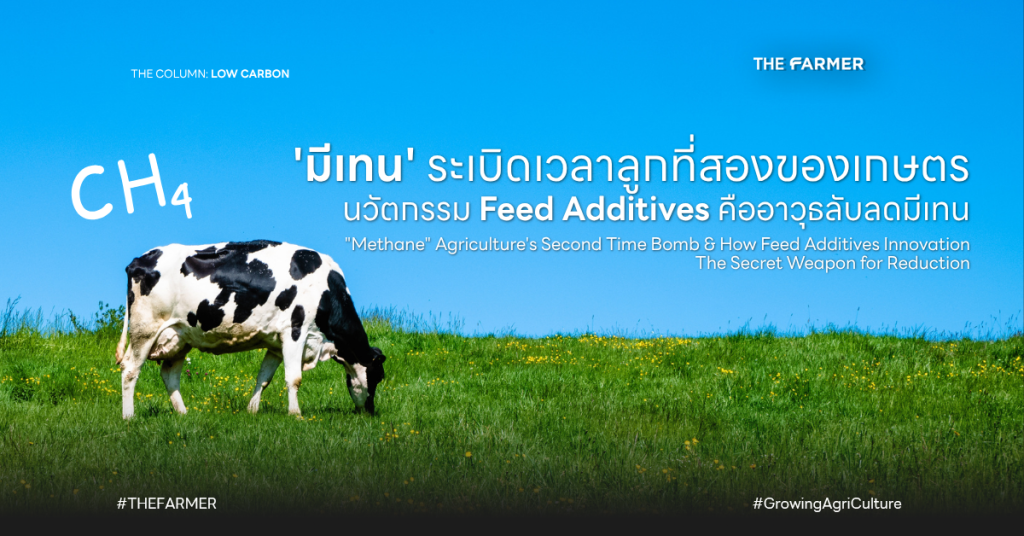
THE COLUMN: ‘มีเทน’ ระเบิดเวลาลูกที่สองของเกษตร — นวัตกรรม Feed Additives คืออาวุธลับลดมีเทน
THE COLUMN: “Methane” – Agriculture’s Second Time Bomb and How Feed Additives Innovation is the Secret Weapon for Reduction
⸻
(English is below)
⸻
“คาร์บอนฟุตปริ้นท์ที่ใหญ่ที่สุดของอุตสาหกรรมเนื้อสัตว์ ไม่ได้มาจากปล่องควันโรงงานหรือรถบรรทุกขนส่ง แต่มาจาก ‘การเรอ’ ของวัวในฟาร์ม และนี่คือความท้าทายระดับโลกที่กำลังจ่อคอหอยอุตสาหกรรม”
เรามักถูกสอนให้กลัวก๊าซคาร์บอนไดออกไซด์ (CO2) จากท่อไอเสีย แต่ในโลกของความยั่งยืน ตัวการที่ทำให้โลกร้อนแบบเฉียบพลันคือ “ก๊าซมีเทน (Methane)” ซึ่งมีฤทธิ์ในการกักเก็บความร้อนรุนแรงกว่า CO2 ถึง 28 เท่า (ในกรอบเวลา 100 ปี) และแหล่งปล่อยก๊าซมีเทนที่ใหญ่ที่สุดเกิดจากกระบวนการย่อยอาหารตามธรรมชาติของสัตว์เคี้ยวเอื้อง (วัว ควาย แพะ แกะ)
แรงกดดันจากนักลงทุนและผู้บริโภคที่ตราหน้าว่าอุตสาหกรรมเนื้อและนมคือ “ผู้ร้ายทำลายโลก” กำลังบีบให้ฟาร์มต้องหาทาง “ล้างบาป” ทางนิเวศ และพระเอกที่จะเข้ามากอบกู้สถานการณ์นี้ ไม่ใช่การเลิกเลี้ยงวัว แต่คือ “นวัตกรรมสารเสริมอาหารสัตว์ (Feed Additives)”
⸻
เวทมนตร์แห่งสาหร่าย Asparagopsis: ปิดสวิตช์การสร้างก๊าซในกระเพาะวัว
วัวมีกระเพาะที่ทำหน้าที่เหมือนถังหมักขนาดใหญ่ (Rumen) ซึ่งเต็มไปด้วยจุลินทรีย์ที่ช่วยย่อยหญ้า แต่ผลพลอยได้จากจุลินทรีย์เหล่านี้คือก๊าซมีเทนที่วัวต้องเรอออกมาตลอดเวลา
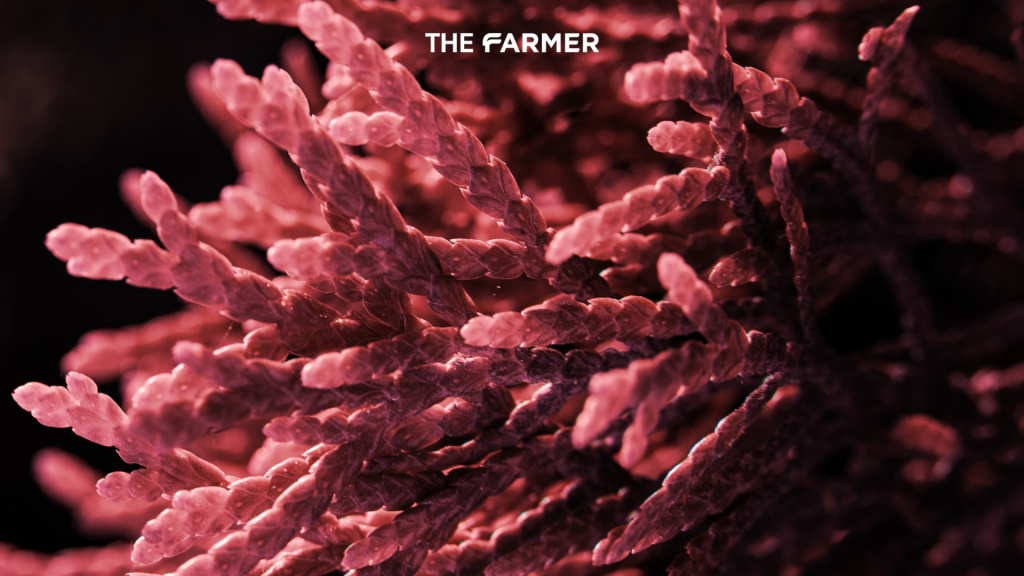
นักวิทยาศาสตร์ได้ค้นพบทางออกที่น่าทึ่ง นั่นคือการผสม “สาหร่ายสีแดง (Asparagopsis)” ลงไปในอาหารวัวเพียงแค่หยิบมือ (ประมาณ 1% ของปริมาณอาหาร) สารประกอบทางเคมีธรรมชาติในสาหร่ายจะเข้าไป “ยับยั้งเอนไซม์” ที่จุลินทรีย์ใช้สร้างก๊าซมีเทนในขั้นตอนสุดท้าย ผลลัพธ์คือ วัวยังคงย่อยอาหารและเติบโตได้ตามปกติ แต่ สามารถลดการปล่อยก๊าซมีเทนได้สูงถึง 80-90%!
⸻
CH4 Global และ DSM กับการเปลี่ยน “เรอวัว” เป็นธุรกิจหมื่นล้าน
นี่ไม่ใช่แค่งานวิจัยในห้องแล็บ แต่คืออุตสาหกรรมที่กำลังสเกลอัปอย่างดุเดือด ลองดูเคสของสตาร์ทอัพอย่าง CH4 Global ที่ระดมทุนไปแล้วหลายสิบล้านเหรียญเพื่อเพาะเลี้ยงสาหร่ายสีแดงในระดับอุตสาหกรรม และนำไปแปรรูปเป็นสารเสริมอาหารสัตว์ ให้กับฟาร์มพันธมิตรทั่วโลก
ในขณะเดียวกัน บริษัทยักษ์ใหญ่ด้านวิทยาศาสตร์ชีวภาพอย่าง dsm-firmenich ก็ได้พัฒนาสารเสริมอาหารสัตว์สังเคราะห์ที่ชื่อว่า Bovaer ซึ่งได้รับการอนุมัติให้ใช้งานจริงแล้วในหลายสิบประเทศทั่วโลก รวมถึงยุโรปและอเมริกา แบรนด์อาหารระดับโลกอย่าง Danone เริ่มนำร่องรับซื้อนมจากฟาร์มที่ใช้ Bovaer ส่วน Burger King ก็เคยทดลองเสริมอาหารวัวด้วยตะไคร้เพื่อลดมีเทนเช่นกัน นวัตกรรมเหล่านี้เป็นกุญแจสำคัญในการเคลมสถานะ “Low-Carbon Burger” หรือ “Climate-Friendly Milk” — โดย Bovaer สามารถลดมีเทนได้เฉลี่ย 30% ส่วน Asparagopsis นั้นพุ่งสูงถึง 80-90% — ซึ่งสามารถตั้งราคาขายแบบ Premium และดึงดูดผู้บริโภคยุคใหม่ได้อย่างมหาศาล
⸻
Business Opportunity: การปฏิวัติวงการอาหารสัตว์ไทย
สำหรับประเทศไทยในฐานะ “ครัวของโลก” และผู้ผลิตอาหารสัตว์รายใหญ่ การเปลี่ยนแปลงนี้คือ “โอกาสทอง” ของอุตสาหกรรมอาหารสัตว์ (Feed Mill)
การขยับตัวของสตาร์ทอัพสัญชาติไทยอย่าง LOCOL ที่มุ่งพัฒนา “ก้อนแร่ธาตุอาหารเสริมสำหรับวัว” เพื่อช่วยลดก๊าซมีเทนและเตรียมผลักดันโมเดลเนื้อวัวคาร์บอนต่ำ (Low-Carbon Beef) คือภาพสะท้อนที่ชัดเจนว่าตลาดนี้กำลังก่อตัวขึ้นแล้ว
ผู้ผลิตอาหารสัตว์ชั้นนำไม่ควรหยุดอยู่แค่การขาย “โภชนาการ (Nutrition)” ที่ทำให้วัวโตไว แต่ต้องเริ่มวิจัยหรือจับมือกับสตาร์ทอัพ (M&A) เพื่อพัฒนา “อาหารสัตว์ลดโลกร้อน” อาหารกระสอบนี้จะไม่ได้มีมูลค่าแค่สารอาหาร แต่มีมูลค่าของการลด “คาร์บอนฟุตปริ้นท์” ในห่วงโซ่การผลิตแฝงอยู่ ฟาร์มปศุสัตว์ระดับ Enterprise ที่ใช้อาหารสูตรนี้ จะสามารถนำตัวเลขการลดมีเทนไปหักลบในรายงานความยั่งยืนขององค์กร หรือแม้แต่เตรียมพร้อมสำหรับการขายเป็นคาร์บอนเครดิตในอนาคตเพื่อสร้างรายได้อีกทางหนึ่งได้
⸻
Regenerate: From Farm to Future
อุตสาหกรรมเนื้อสัตว์กำลังเผชิญทางแยก หากไม่ปรับตัว คุณจะถูกบังคับด้วยกติกาภาษีสิ่งแวดล้อมที่เข้มงวดขึ้นเรื่อยๆ แต่หากคุณขยับก่อน คุณจะสามารถเปลี่ยนวิกฤตนี้ให้เป็น Positioning ที่โดดเด่นที่สุดในตลาด
สำหรับฟาร์มปศุสัตว์ Enterprise และผู้ผลิตอาหารสัตว์ สเตปแรกที่ทำได้ทันทีคือการตั้ง Pilot Project โดยเลือกฝูงวัวนมหรือวัวเนื้อนำร่อง นำสารเสริมอาหารสัตว์ (อย่าง Bovaer หรือสารสกัดจากสาหร่าย) เข้ามาทดลองผสมในสูตรอาหาร จากนั้นเก็บข้อมูลอัตราการเจริญเติบโตควบคู่ไปกับตัวเลขการลดมีเทน เพื่อพิสูจน์ผลตอบแทนการลงทุน (ROI) ก่อนขยายผลไปสู่การผลิตเชิงพาณิชย์
“ในยุคที่ผู้บริโภคใส่ใจทุกคำที่กิน… คุณจะปล่อยให้วัวในฟาร์ม ‘เรอ’ เอาผลกำไรและชื่อเสียงขององค์กรทิ้งไป หรือจะใช้นวัตกรรมเปลี่ยนมันให้เป็น ‘เนื้อสัตว์พรีเมียม’ ที่โลกต้องการ?ร่วมแสดงความคิดเห็นกันได้ที่ใต้โพสนี้”
อย่าลืมติดตามซีรีย์ THE COLUMN ได้ทุกวันที่เพจ THE FARMER
⸻
“The meat industry’s largest carbon footprint does not originate from factory smokestacks or transport trucks, but from the ‘burping’ of farm cows. This is a global challenge currently at the industry’s throat.”
We are often taught to fear carbon dioxide (CO2) from exhaust pipes. But in the sustainability world, the culprit causing abrupt global warming is “Methane” gas, which possesses a heat-trapping potency 28 times stronger than CO2 (over a 100-year timeframe). The largest source of methane emissions originates from the natural digestive process of ruminants (cows, buffaloes, goats, sheep).
Pressure from investors and consumers branding the meat and dairy industries as “earth-destroying villains” is forcing farms to find ways to ecologically “absolve their sins.” The hero stepping in to salvage this situation is not the cessation of cattle rearing, but rather “Feed Additives” innovation.
⸻
The Magic of Asparagopsis Seaweed: Flipping the Switch on Gas Production in the Cow’s Stomach.
Cows possess a stomach that functions like a massive fermentation vat (Rumen), teeming with microbes that help digest grass. However, a byproduct of these microbes is methane gas, which the cow must constantly burp out.
Scientists have discovered a remarkable solution: mixing a mere pinch (approximately 1% of the feed volume) of “red seaweed (Asparagopsis)” into cow feed. The natural chemical compounds within the seaweed step in to “inhibit the enzymes” these microbes use to produce methane in the final stage. The result is that cows continue to digest food and grow normally, but can reduce methane emissions by up to 80-90%!
⸻
CH4 Global and DSM: Transforming “Cow Burps” into a Multi-Billion Business
This is not just laboratory research, but an industry scaling up fiercely. Look at the case of startups like CH4 Global, which has raised tens of millions of dollars to cultivate red seaweed on an industrial scale and process it into feed additives for partner farms worldwide.
Simultaneously, global bioscience giants like dsm-firmenich have developed a synthetic feed additive named Bovaer, which has already received practical use approval in dozens of countries globally, including across Europe and the Americas. Global food brands like Danone have begun piloting the purchase of milk from farms utilizing Bovaer, while Burger King has also experimented with supplementing cow feed with lemongrass to reduce methane. These innovations are the master keys to claiming status like “Low-Carbon Burger” or “Climate-Friendly Milk”—with Bovaer capable of reducing methane by an average of 30% and Asparagopsis by up to 80-90%. These can establish Premium pricing and massively attract modern consumers.
⸻
Business Opportunity: Revolutionizing the Thai Animal Feed Industry
For Thailand, serving as the “Kitchen of the World” and a major animal feed producer, this transition represents a “golden opportunity” for the Feed Mill industry.
The movement of Thai startups like LOCOL—aiming to develop “supplementary mineral blocks for cows” to help reduce methane and preparing to push a “Low-Carbon Beef” model—is a clear reflection that this market is already forming.
Leading animal feed manufacturers should not stop at merely selling “Nutrition” that makes cows grow fast, but must begin researching or partnering with startups (M&A) to develop “global-warming reduction animal feed.” This bag of feed will not just hold nutritional value, but will embed the value of a reduced “carbon footprint” within the production chain. Enterprise-level livestock farms utilizing this feed formula will be able to deduct these methane reduction figures in their corporate sustainability reports, or even prepare to sell them as carbon credits in the future to generate an alternative revenue stream.
⸻
Regenerate: From Farm to Future
The meat industry is facing a crossroads. If you do not adapt, you will be forced by increasingly strict environmental tax regulations. But if you move first, you can transform this crisis into the most outstanding Positioning in the market.
For Enterprise livestock farms and feed manufacturers, the immediate first step is establishing a Pilot Project. Select a pilot herd of dairy or beef cattle, introduce feed additives (like Bovaer or seaweed extracts) into the feed formula trials, and then collect growth rate data alongside methane reduction figures to prove the Return on Investment (ROI) before scaling up to commercial production.
“In an era where consumers care about every bite they eat… will you let the cows on your farm ‘burp’ away your corporate profits and reputation, or will you use innovation to transform it into the ‘premium meat’ the world demands? Share your thoughts in the comments below!”
Don’t forget to follow THE COLUMN series every day on THE FARMER page.
⸻
𝗧𝗛𝗘 𝗙𝗔𝗥𝗠𝗘𝗥: 𝗴𝗿𝗼𝘄𝗶𝗻𝗴 ◦ 𝗮𝗴𝗿𝗶 ◦ 𝗰𝘂𝗹𝘁𝘂𝗿𝗲 | 𝘙𝘦𝘨𝘦𝘯𝘦𝘳𝘢𝘵𝘪𝘷𝘦 𝘙𝘪𝘴𝘦
Facebook: https://www.facebook.com/thefarmer.th
YouTube: https://www.youtube.com/@thefarmerth
Instagram: https://www.instagram.com/thefarmerthai/

