

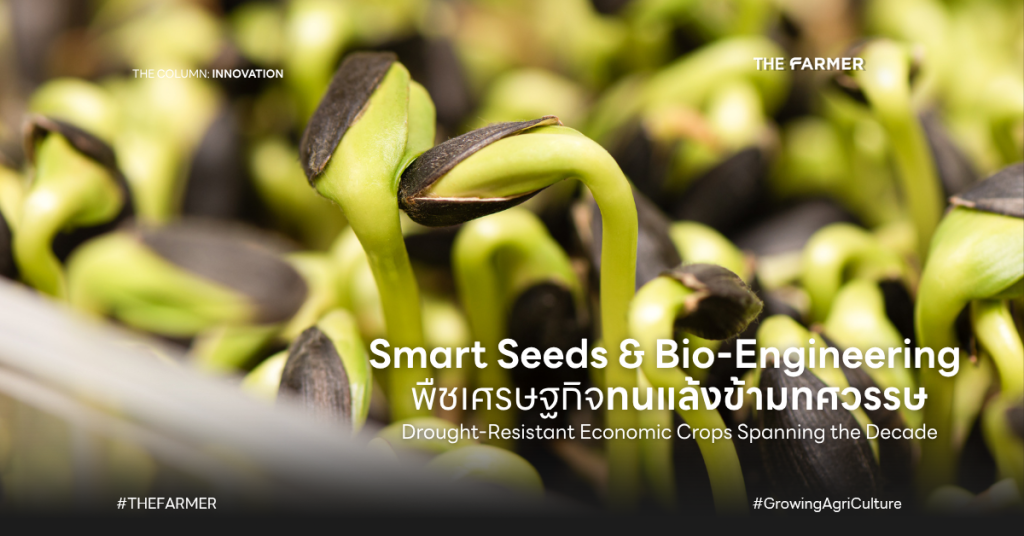
THE COLUMN: Smart Seeds & Bio-Engineering พืชเศรษฐกิจทนแล้งข้ามทศวรรษ
THE COLUMN: Smart Seeds & Bio-Engineering – Drought-Resistant Economic Crops Spanning the Decade
⸻
(English is below)
⸻
“เมื่อปรากฏการณ์เอลนีโญไม่ใช่ความเสี่ยงชั่วคราว แต่คือ New Normal การฝืนปลูกเมล็ดพันธุ์ดั้งเดิมจึงเท่ากับการเผาเงินลงทุน (CAPEX) ทิ้งในทุกฤดู ‘เมล็ดพันธุ์แห่งอนาคต’ จึงไม่ใช่แค่ผลผลิตทางการเกษตร แต่คือสินทรัพย์ทางปัญญา (IP) ที่จะชี้ขาดความมั่นคงทางอาหารของโลก”
ในสมรภูมิอุตสาหกรรมอาหารและเกษตรกรรม จุดชี้ขาดกำไรขาดทุนไม่ได้เริ่มต้นที่โรงงานแปรรูป แต่เริ่มต้นตั้งแต่ “เมล็ดพันธุ์” ที่หย่อนลงดิน ในยุคที่สภาพอากาศสุดขั้ว (Extreme Weather) และปรากฏการณ์เอลนีโญ (El Niño) ทวีความรุนแรง พันธุ์พืชดั้งเดิมที่เคยให้ผลผลิตสูงกลับกลายเป็นจุดอ่อนที่เปราะบางที่สุด การดันทุรังใช้เมล็ดพันธุ์ที่ไม่ทนทานต่อความแปรปรวนของสภาพอากาศ กำลังกลายเป็นตัวการสำคัญที่บดขยี้ กำไรขั้นต้น (Gross Margin) ของทั้งห่วงโซ่อุปทาน
องค์กรที่มองข้ามความเสี่ยงระดับต้นน้ำนี้ จะต้องเผชิญกับต้นทุนแฝงมหาศาล ทั้งค่าน้ำ ค่าปุ๋ย และความสูญเสียจากผลผลิตที่ไม่ได้มาตรฐาน (Crop Failure) การลงทุนในเทคโนโลยีการเกษตรยุคใหม่จึงต้องเจาะลึกลงไปถึงระดับสถาปัตยกรรมดีเอ็นเอ
⸻
The Genomics Revolution: สถาปัตยกรรมระดับพันธุกรรม
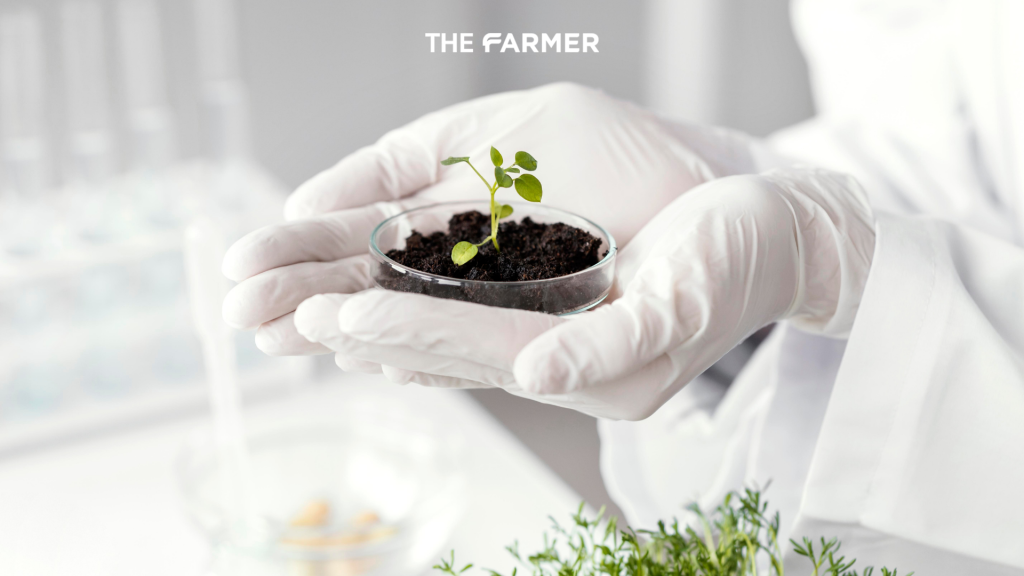
การปรับปรุงพันธุ์พืชดั้งเดิม (Conventional Breeding) ที่ต้องใช้เวลาลองผิดลองถูกนับสิบปี ไม่ทันการณ์อีกต่อไปสำหรับการรับมือกับวิกฤตสภาพภูมิอากาศ โลกธุรกิจจึงต้องพึ่งพา เทคโนโลยีชีวภาพ (Bio-Engineering) และวิทยาการ จีโนมิกส์ (Genomics)
นี่ไม่ใช่แค่การคัดเลือกสายพันธุ์แบบผิวเผิน แต่คือการอ่าน “แผนที่ชีวิต” ของพืชทั้งระบบ เพื่อค้นหาและ “เปิดสวิตช์” ยีนทนแล้ง (Drought-tolerant Genes) หรือยีนต้านทานโรคที่ซ่อนอยู่ ผ่านเทคโนโลยีเครื่องหมายโมเลกุล (Molecular Marker-Assisted Selection) ทำให้วิศวกรชีวภาพสามารถออกแบบ “Smart Seeds” ที่มีคุณสมบัติสั่งตัดได้ตามความท้าทายของพื้นที่:
- Climate Resilience: ทนทานต่อภาวะฝนทิ้งช่วง ใช้น้ำน้อยลง ทนความเค็ม
- Nutritional Enhancement: รักษาระดับหรือเพิ่มคุณค่าทางโภชนาการ แม้ปลูกในสภาวะที่ดินเสื่อมโทรม
- Pest Resistance: ต้านทานแมลงและศัตรูพืชอุบัติใหม่
⸻
บทพิสูจน์ความสำเร็จระดับนานาชาติ
ผลลัพธ์ของเทคโนโลยีเหล่านี้ไม่ใช่เรื่องอนาคตไกลตัว แต่ถูกนำมาใช้งานเชิงพาณิชย์และระดับภูมิภาคแล้ว:
- เทคโนโลยี HB4 สำหรับข้าวสาลีและถั่วเหลือง (อาร์เจนตินา): นวัตกรรมจากบริษัทเทคโนโลยีชีวภาพ Bioceres ที่ใช้พันธุวิศวกรรมนำยีน HaHB4 จากดอกทานตะวัน มาใส่ในข้าวสาลีและถั่วเหลือง ส่งผลให้พืชสามารถทนทานต่อภัยแล้งได้ยาวนานขึ้นโดยไม่หยุดการสร้างมวลชีวภาพ (Biomass)
ตามคำแถลงของบริษัท Bioceres ปัจจุบันเทคโนโลยีนี้ได้รับอนุมัติด้านความปลอดภัยสำหรับการนำเข้าเป็นอาหารและอาหารสัตว์ในหลายประเทศแล้ว โดยสำหรับข้าวสาลี ครอบคลุมออสเตรเลีย นิวซีแลนด์ แอฟริกาใต้ ไนจีเรีย ไทย อินโดนีเซีย โคลอมเบีย และชิลี ส่วนถั่วเหลือง บริษัทระบุในการประชุมนักลงทุนว่าได้รับอนุมัตินำเข้าในออสเตรเลีย นิวซีแลนด์ ไทย และมาเลเซีย ครอบคลุมตลาดปลายทางถั่วเหลืองในเอเชียจากลาตินอเมริกาแล้วราว 80%
ในสหรัฐอเมริกา USDA เพิ่งปลดล็อกกฎระเบียบ (deregulate) ให้เมื่อเดือนสิงหาคม 2024 ซึ่งนับเป็น GMO trait ตัวแรกในประวัติศาสตร์ที่ปลดล็อกสำหรับข้าวสาลี — แต่ผู้เชี่ยวชาญในอุตสาหกรรมยังคาดว่าต้องใช้เวลาอีกอย่างน้อย 3-5 ปีกว่าจะวางขายเชิงพาณิชย์ได้จริงในสหรัฐฯ เนื่องจากยังต้องผ่านการทดลองภาคสนามเพิ่มเติม
ในทางกลับกัน ที่อาร์เจนตินาและบราซิลนั้นเกษตรกรปลูกและขายเชิงพาณิชย์จริงแล้ว การที่หลายประเทศทั่วโลกรวมถึงไทยยอมรับการนำเข้า จากคำแถลงของบริษัท Bioceres ที่สื่อต่างประเทศนำเสนอ สะท้อนถึงการยอมรับเทคโนโลยีนี้ในระดับสากลที่ค่อยๆ ขยายวงกว้างขึ้นเรื่อยๆ - Water Efficient Maize for Africa – WEMA (ภูมิภาคแอฟริกา): โครงการความร่วมมือภาครัฐและเอกชนที่นำเทคโนโลยีชีวภาพขั้นสูง (รวมถึงยีนทนแล้ง DroughtGard) มาพัฒนาพันธุ์ข้าวโพดที่รอดพ้นจากภัยแล้งและแมลงศัตรูพืช เพื่อแจกจ่ายให้เกษตรกรรายย่อยในแอฟริกาใต้ซาฮารา (Sub-Saharan Africa) ถือเป็นตัวอย่างความสำเร็จในการใช้เทคโนโลยีระดับจีโนมิกส์พยุงความมั่นคงทางอาหารของภูมิภาคอย่างเป็นรูปธรรม
⸻
Thailand’s Bio-Engine: ขุมพลังงานวิจัยจาก อว. และ BIOTEC
ในประเทศไทย การปฏิวัติเมล็ดพันธุ์ถูกขับเคลื่อนผ่านโครงสร้างพื้นฐานด้านงานวิจัยระดับประเทศ โดยมี กระทรวงการอุดมศึกษา วิทยาศาสตร์ วิจัยและนวัตกรรม (อว.) เป็นแกนหลัก และมีหัวหอกสำคัญคือ ศูนย์พันธุวิศวกรรมและเทคโนโลยีชีวภาพแห่งชาติ
งานวิจัยของ BIOTEC ครอบคลุมการถอดรหัสพันธุกรรมและการประยุกต์ใช้เทคโนโลยีการปรับปรุงพันธุ์แนวใหม่ เพื่อยกระดับสายพันธุ์พืชเศรษฐกิจของไทย โดยมี Case Study ที่โดดเด่นระดับสากล ได้แก่:
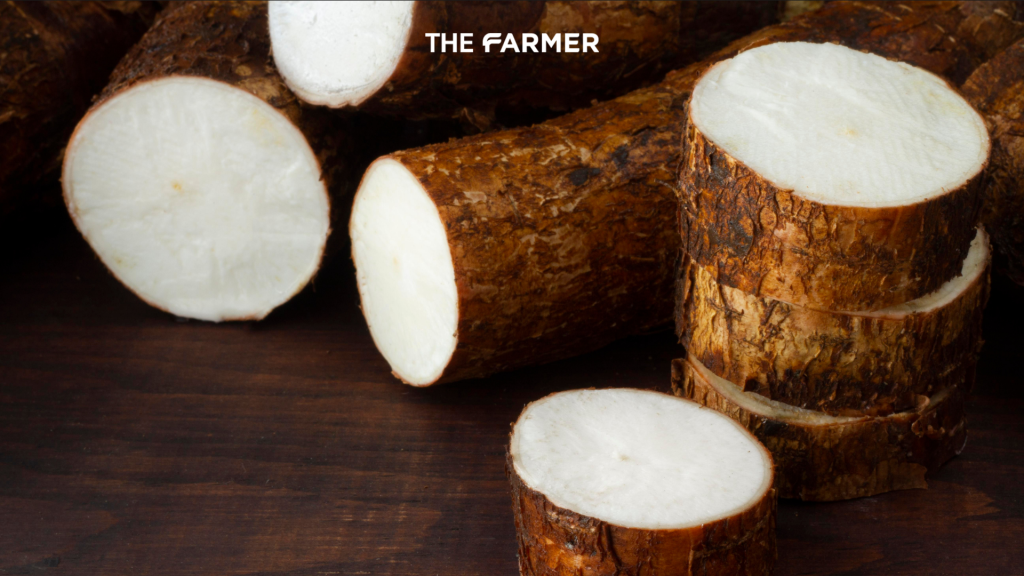
- โปรเจกต์ CASSAVASTORE (การสร้างฐานข้อมูลจีโนมมันสำปะหลัง): โครงการความร่วมมือครั้งประวัติศาสตร์ระหว่าง BIOTEC และสถาบันวิจัย Forschungszentrum Jülich จากประเทศเยอรมนี ในการใช้เทคโนโลยีสแกนราก (Magnetic Resonance Imaging – MRI) ขั้นสูง ผสานกับการถอดรหัสพันธุกรรม เพื่อศึกษาฟีโนไทป์และจีโนไทป์ของมันสำปะหลังกว่า 600 สายพันธุ์ โครงการนี้ทำให้ได้ฐานข้อมูลระดับโลกที่จะช่วยให้นักปรับปรุงพันธุ์สามารถสร้างสายพันธุ์มันสำปะหลังที่ “ทนทานต่อสภาพอากาศที่เปลี่ยนแปลง (Resilient to changing environments)” ได้อย่างแม่นยำ โดยข้อมูลถูกเก็บไว้ที่ธนาคารทรัพยากรชีวภาพแห่งชาติ (NBT) เพื่อใช้เป็นสินทรัพย์ของชาติ
⸻
Regenerate: From Farm to Future
การครอบครองเทคโนโลยี Smart Seeds คือการถือครอง สินทรัพย์ทางปัญญา (Intellectual Property – IP) ที่มีมูลค่ามหาศาลที่สุดในยุควิกฤตโลกรวน เพราะผู้ที่ควบคุมรหัสพันธุกรรมของเมล็ดพันธุ์ คือผู้ที่ควบคุมหน้าด่านแรกของความมั่นคงทางอาหาร (Food Security) ทั้งระบบ
⸻
“When the El Niño phenomenon is no longer a temporary risk but the New Normal, forcing the cultivation of traditional seeds is akin to incinerating Capital Expenditure (CAPEX) every season. The “seeds of the future” are not merely agricultural products, but Intellectual Property (IP) that will dictate global food security.”
In the battlefield of the food and agricultural industry, the decisive point of profit and loss does not begin at the processing plant, but rather with the “seeds” dropped into the soil. In an era where Extreme Weather and the El Niño phenomenon are intensifying, traditional plant varieties that once yielded high outputs have become the most vulnerable. Stubbornly relying on seeds that lack resilience to climate volatility is becoming the primary culprit crushing the Gross Margin across the entire supply chain.
Organizations that overlook this upstream risk will face massive hidden costs, including water, fertilizer, and losses from Crop Failure. Investing in modern agricultural technology must, therefore, drill down to the DNA architectural level.
⸻
The Genomics Revolution: Architecture at the Genetic Level
Conventional Breeding, which requires decades of trial and error, is no longer timely enough to cope with the climate crisis. The business world must now rely on Bio-Engineering and Genomics.
This is not merely superficial trait selection, but rather reading the “map of life” of the entire plant system to discover and “switch on” hidden Drought-tolerant Genes or disease-resistant genes. Through Molecular Marker-Assisted Selection technology, bio-engineers can design “Smart Seeds” with tailor-made traits suited to regional challenges:
- Climate Resilience: Withstanding dry spells, requiring less water, and tolerating salinity.
- Nutritional Enhancement: Maintaining or boosting nutritional value, even when cultivated in degraded soil conditions.
- Pest Resistance: Resisting emerging insects and pests.
⸻
International Proof of Success
The outcomes of these technologies are not a distant future reality; they are already being utilized commercially and regionally:
HB4 Technology for Wheat and Soybeans (Argentina): An innovation by the biotechnology company Bioceres, utilizing genetic engineering to insert the HaHB4 gene from sunflowers into wheat and soybeans. This enables the crops to withstand prolonged droughts without halting Biomass production.
According to statements from Bioceres, this technology has currently received safety approvals for import as food and feed in multiple countries. For wheat, this encompasses Australia, New Zealand, South Africa, Nigeria, Thailand, Indonesia, Colombia, and Chile. Regarding soybeans, the company noted in an investor meeting that it has secured import approvals in Australia, New Zealand, Thailand, and Malaysia, covering approximately 80% of the Asian end-market for Latin American soybeans.
In the United States, the USDA recently deregulated it in August 2024, marking the first GMO trait in history to be deregulated for wheat. However, industry experts still anticipate it will take at least another 3 to 5 years before it can be truly commercialized in the U.S., as it must undergo further field trials.
Conversely, in Argentina and Brazil, farmers are already cultivating and selling it commercially. The fact that numerous countries globally, including Thailand, have accepted its importation—based on Bioceres’ statements reported by international media—reflects the gradually expanding international acceptance of this technology.
Water Efficient Maize for Africa – WEMA (African Region): A public-private partnership project that employs advanced biotechnology (including the DroughtGard drought-tolerant gene) to develop maize varieties that survive droughts and insect pests for distribution to smallholder farmers in Sub-Saharan Africa. This stands as a tangible success story of utilizing genomics-level technology to sustain regional food security.
⸻
Thailand’s Bio-Engine: The Research Powerhouse of MHESI and BIOTEC
In Thailand, the seed revolution is driven through a national research infrastructure, with the Ministry of Higher Education, Science, Research and Innovation (MHESI) as the core pillar, spearheaded by the National Center for Genetic Engineering and Biotechnology (BIOTEC).
BIOTEC‘s research encompasses genetic decoding and the application of novel breeding technologies to elevate Thailand’s economic crop varieties, featuring a globally prominent Case Study:
CASSAVASTORE Project (Creating a Cassava Genomic Database): A historic collaborative project between BIOTEC and the Forschungszentrum Jülich research institute from Germany. It utilizes advanced Magnetic Resonance Imaging (MRI) root scanning technology integrated with genetic decoding to study the phenotypes and genotypes of over 600 cassava varieties. This project yields a world-class database that empowers breeders to accurately create cassava strains “Resilient to changing environments.” The data is securely stored at the National Biobank of Thailand (NBT) to serve as a national asset.
⸻
Regenerate: From Farm to Future
Possessing Smart Seeds technology equates to holding the most valuable Intellectual Property (IP) in the era of global climate crisis. Whoever controls the genetic code of seeds controls the very first frontline of the entire Food Security system.
⸻
𝗧𝗛𝗘 𝗙𝗔𝗥𝗠𝗘𝗥: 𝗴𝗿𝗼𝘄𝗶𝗻𝗴 ◦ 𝗮𝗴𝗿𝗶 ◦ 𝗰𝘂𝗹𝘁𝘂𝗿𝗲 | 𝘙𝘦𝘨𝘦𝘯𝘦𝘳𝘢𝘵𝘪𝘷𝘦 𝘙𝘪𝘴𝘦
Facebook: https://www.facebook.com/thefarmer.th
YouTube: https://www.youtube.com/@thefarmerth
Instagram: https://www.instagram.com/thefarmerthai/
Twitter: https://www.twitter.com/thefarmerthai
TikTok: https://www.tiktok.com/@thefarmer.th

