

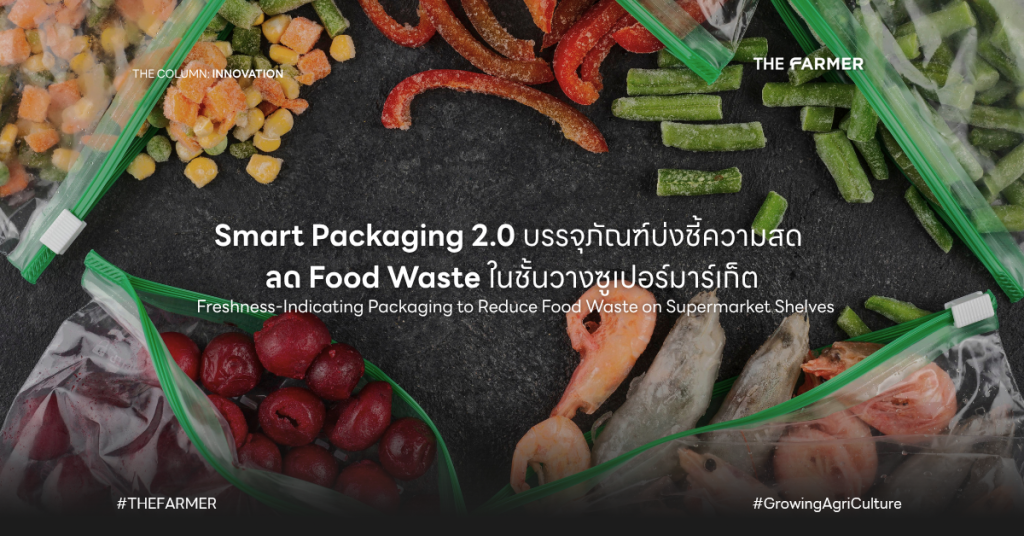
THE COLUMN: Smart Packaging 2.0 บรรจุภัณฑ์บ่งชี้ความสด ลด Food Waste ในชั้นวางซูเปอร์มาร์เก็ต
THE COLUMN: Smart Packaging 2.0 – Freshness-Indicating Packaging to Reduce Food Waste on Supermarket Shelves
⸻
(English is below)
⸻
“เมื่อบรรจุภัณฑ์ไม่ได้มีหน้าที่แค่ ‘ห่อหุ้ม’ แต่คือ ‘ผู้พิทักษ์กำไร’ การลงทุนใน Smart Packaging จึงไม่ใช่แค่เรื่องของดีไซน์ แต่คืออาวุธในการพลิกเกมเจรจากับยักษ์ใหญ่ค้าปลีก และจุดจบของต้นทุนแฝงจากการตีกลับสินค้า”
ในสมรภูมิสินค้าอุปโภคบริโภค (FMCG) และอุตสาหกรรมอาหาร ฝันร้ายที่คอยกัดกินกำไร ของผู้ผลิตไม่ได้อยู่ในกระบวนการผลิต แต่อยู่บนชั้นวางสินค้า (Shelf) ปัญหาการหมดอายุของสินค้าเกษตรและอาหารสด ทำให้ห้างค้าปลีกสมัยใหม่ (Modern Trade) มักผลักภาระความสูญเสียนี้กลับมาให้ที่ฝั่งผู้ผลิต ในรูปแบบของการตีกลับสินค้า (Product Rejects) ซึ่งกลายเป็น “ต้นทุนแฝง” ก้อนโตที่บดขยี้กำไรอย่างหลีกเลี่ยงไม่ได้
ยิ่งไปกว่านั้น บรรจุภัณฑ์พลาสติกแบบดั้งเดิม (Conventional Plastics) กำลังถูกบีบจากเทรนด์ความยั่งยืนโลก มาตรการภาษีสิ่งแวดล้อม และกฎระเบียบความรับผิดชอบที่เพิ่มขึ้นของผู้ผลิต (EPR – Extended Producer Responsibility) โลกธุรกิจยุคใหม่จึงต้องการทางออกที่ชาญฉลาดกว่าการแค่เปลี่ยนมาใช้พลาสติกย่อยสลายได้ นั่นคือการยกระดับสู่สถาปัตยกรรมบรรจุภัณฑ์ที่เรียกว่า Smart Packaging 2.0
⸻
The Science of Freshness: เปลี่ยนฟิล์มใสให้เป็น ‘เซนเซอร์’
การพิมพ์วันหมดอายุ (EXP Date) แบบตายตัวบนซองบรรจุภัณฑ์ กำลังจะกลายเป็นอดีต เพราะในความเป็นจริง สภาพการจัดเก็บและอุณหภูมิที่แกว่งตัวมีผลต่อความสดใหม่มากกว่าตัวเลขบนปฏิทิน เทคโนโลยี Active & Intelligent Packaging จึงก้าวเข้ามาปิดช่องโหว่นี้
- Intelligent Packaging (บรรจุภัณฑ์อัจฉริยะ): ทำหน้าที่เป็น “ตัวบ่งชี้ (Indicators)” โดยอาศัยหลักการทางเคมีชีวภาพ เมื่อจุลินทรีย์ในอาหารเริ่มเจริญเติบโตและปล่อยก๊าซหรือเปลี่ยนแปลงค่า pH ในบรรจุภัณฑ์ สารเคลือบหรือฉลากจะทำปฏิกิริยาและ “เปลี่ยนสี” แจ้งเตือนระดับความสดใหม่แบบเรียลไทม์ แนวทางนี้สอดคล้องกับงานวิจัยระดับนานาชาติด้าน ฟิล์มอินดิเคเตอร์เปลี่ยนสีได้ (Colorimetric Indicator Films) ที่มีการนำสารสกัดธรรมชาติ เช่น แอนโทไซยานิน (Anthocyanin) จากวัสดุการเกษตร มาฝังลงในไบโอพอลิเมอร์ เพื่อตรวจวัดก๊าซที่เกิดจากการเน่าเสีย (Volatile Basic Nitrogen – TVB-N) ทำให้ผู้บริโภคและพนักงานจัดชั้นวางทราบสถานะที่แท้จริงของสินค้า
- Active Packaging (บรรจุภัณฑ์แอคทีฟ): ทำหน้าที่โต้ตอบกับสภาพแวดล้อมภายใน เช่น การปล่อยสารต้านจุลชีพ หรือการดูดซับก๊าซเอทิลีน (Ethylene Scavengers) ที่เร่งการสุกของผลไม้ แนวทางนี้มีหลักฐานเชิงประจักษ์จากความสำเร็จของศูนย์เทคโนโลยีโลหะและวัสดุแห่งชาติ (MTEC) ที่ได้พัฒนานวัตกรรมฟิล์มบรรจุภัณฑ์ยืดอายุผลผลิตทางการเกษตร อย่างเทคโนโลยี ActivePAK™ ซึ่งมีคุณสมบัติในการควบคุมการผ่านเข้าออกของก๊าซ (EMAP) และลดการสะสมของเอทิลีน ช่วยยืดอายุสินค้า (Extended Shelf Life) บนชั้นวางได้ยาวนานขึ้นอย่างมีนัยสำคัญ
⸻
บทพิสูจน์นวัตกรรมบนชั้นวางจริง
เพื่อลบภาพจำว่านี่คือเทคโนโลยีในห้องแล็บ โลกธุรกิจได้พิสูจน์แล้วว่า Smart Packaging คือตัวเปลี่ยนเกมที่ใช้งานได้จริง:
- RipeSense – นิวซีแลนด์: นวัตกรรมฉลากอัจฉริยะตัวแรกของโลกที่ใช้เซนเซอร์ตรวจจับสารอโรมาและสารระเหย (Aroma compounds) ที่ผลไม้ปล่อยออกมาระหว่างการสุก โดยฉลากจะเปลี่ยนสี (จากแดง ไปส้ม และเหลือง) เพื่อบอกระดับความสุกที่พอดี ช่วยให้ผู้บริโภคเลือกซื้อผลไม้ได้ตรงตามความชอบโดยไม่ต้องบีบช้ำ และช่วยลดอัตราผลไม้เน่าเสียบนชั้นวางในซูเปอร์มาร์เก็ตได้อย่างมหาศาล
- ActivePAK™ – ไทย: ความสำเร็จเชิงประจักษ์จาก ศูนย์เทคโนโลยีโลหะและวัสดุแห่งชาติ (MTEC) ภายใต้กระทรวง อว. ที่ได้พัฒนานวัตกรรมถุงหายใจได้ ActivePAK™ ซึ่งมีคุณสมบัติควบคุมการผ่านเข้าออกของก๊าซ (EMAP) เทคโนโลยีนี้ถูกนำไปใช้งานจริงกับกลุ่มผู้ส่งออกผักผลไม้สดของไทย ช่วยยืดอายุสินค้า (Extended Shelf Life) บนชั้นวางต่างประเทศได้ยาวนานขึ้นกว่าเดิม 2-5 เท่า (ขึ้นอยู่กับชนิดของผลผลิต) ช่วยรักษาความสดตั้งแต่ฟาร์มจนถึงมือผู้บริโภคปลายทาง
⸻
Thailand’s Innovation Engine: ขุมพลังจาก อว. และ MTEC
ประเทศไทยมีโครงสร้างพื้นฐานด้านวัสดุศาสตร์ที่แข็งแกร่งในการขับเคลื่อนเทคโนโลยีนี้ นำโดย กระทรวงการอุดมศึกษา วิทยาศาสตร์ วิจัยและนวัตกรรม (อว.) และ MTEC
ขอบเขตงานวิจัยที่โดดเด่นของ MTEC คือการพัฒนาวัสดุที่เป็นมิตรต่อสิ่งแวดล้อม โดยเฉพาะการนำ “ชีวมวล (Biomass)” และของเหลือทิ้งทางการเกษตรของไทย มาสังเคราะห์เป็นไบโอพลาสติก ฟิล์มยืดอายุผลผลิตทางการเกษตร และสารเคลือบอัจฉริยะ การผนวกตัวบ่งชี้ความสดจากสีธรรมชาติเข้าไปในโครงสร้างของพอลิเมอร์ ถือเป็นการสร้างมูลค่าเพิ่ม (Value-added) ขั้นสุดยอดให้กับวัสดุชีวภาพของไทย ที่ปลอดภัยต่อผู้บริโภคและย่อยสลายได้ตามธรรมชาติ
⸻
Regenerate: From Farm to Future
การลงทุนใน Smart Packaging 2.0 ไม่ใช่แค่โปรเจกต์ CSR เพื่อลดขยะอาหาร (Food Waste) แต่คือกลยุทธ์เชิงรุกในการสร้าง “อำนาจการต่อรอง (Bargaining Power)” และปกป้องมูลค่าของสินค้าตั้งแต่ต้นน้ำจนถึงปลายน้ำ
เมื่อห้างค้าปลีกข้ามชาติพิจารณาเลือกซัพพลายเออร์ ปัจจัยเรื่องอัตราเน่าเสียบนชั้นวาง (Shrinkage) คือตัวชี้วัดสำคัญ หากองค์กรของคุณสามารถนำเสนอผลิตภัณฑ์ที่ “สื่อสารความสดได้เอง” และลดภาระการคัดทิ้งสินค้าของห้างได้ องค์กรจะก้าวข้ามสถานะจากแค่ ‘ผู้ขายสินค้า (Vendor)’ ไปสู่การเป็น ‘พันธมิตรเชิงกลยุทธ์ (Strategic Partner)’ ที่มีสิทธิ์ขาดในการเจรจาเงื่อนไขการค้าที่ดีกว่า
องค์กรจะยอมเสียเงินไปกับค่าปรับและต้นทุนสินค้าตีกลับแบบสูญเปล่าในทุกๆ ไตรมาส หรือพร้อมที่จะนำงบก้อนนั้นมาลงทุนในนวัตกรรม ‘บรรจุภัณฑ์อัจฉริยะ’ เพื่อสร้างคูเมืองป้องกันความเสี่ยง (Moat) และยึดครองพื้นที่บนชั้นวางซูเปอร์มาร์เก็ตอย่างเบ็ดเสร็จ เพื่อต่อยอดอนาคตที่ยั่งยืนของธุรกิจคุณ?
⸻
“When packaging’s role is no longer merely to “wrap” but to serve as a “profit protector,” investing in Smart Packaging is not just about design. It is an arsenal to flip the negotiation game with retail giants and the ultimate end of hidden costs from product rejects.”
In the Fast-Moving Consumer Goods (FMCG) and food industry battlefield, the nightmare constantly devouring manufacturers’ Net Margins does not reside in the production process, but on the product shelves. The expiration issues of agricultural products and fresh food often prompt Modern Trade retailers to push this loss burden back onto manufacturers in the form of Product Rejects. This inevitably becomes a massive “hidden cost” that crushes gross margins.
Furthermore, Conventional Plastics are being heavily squeezed by global sustainability trends, environmental tax measures, and the increasing regulations of Extended Producer Responsibility (EPR). The modern business world, therefore, demands a solution smarter than merely switching to biodegradable plastics: elevating the packaging architecture to Smart Packaging 2.0.
⸻
The Science of Freshness: Transforming Transparent Films into “Sensors”
Printing static EXP Dates on packaging wrappers is about to become a thing of the past. In reality, storage conditions and fluctuating temperatures affect freshness far more than a number on a calendar. Active & Intelligent Packaging technologies are stepping in to close this loophole.
- Intelligent Packaging: Acts as “Indicators” based on biochemical principles. When microorganisms in food begin to grow and release gases or alter the pH value within the packaging, the coating or label reacts and “changes color” to alert the freshness level in real-time. This approach aligns with international research on Colorimetric Indicator Films, where natural extracts like Anthocyanin from agricultural materials are embedded into biopolymers to detect spoilage gases (Volatile Basic Nitrogen – TVB-N). This allows consumers and shelf-stocking staff to know the true status of the product.
- Active Packaging: Actively interacts with the internal environment, such as releasing antimicrobial agents or utilizing Ethylene Scavengers that accelerate fruit ripening. This approach has empirical evidence from the success of the National Metal and Materials Technology Center (MTEC), which developed innovative agricultural produce shelf-life-extending packaging films like ActivePAK™ technology. This features Equilibrium Modified Atmosphere Packaging (EMAP) properties and reduces ethylene accumulation, significantly achieving Extended Shelf Life on the shelves.
⸻
Proving Innovation on Actual Shelves
To erase the misconception that this is merely laboratory technology, the business world has proven that Smart Packaging is a practical game-changer:
- RipeSense – New Zealand: The world’s first intelligent label innovation that uses sensors to detect Aroma compounds released by fruit during ripening. The label changes color (from red to orange and yellow) to indicate the precise ripeness level. This helps consumers choose fruits matching their preferences without bruising them by squeezing, and drastically reduces the rate of spoiled fruits on supermarket shelves.
- ActivePAK™ – Thailand: An empirical success from the National Metal and Materials Technology Center (MTEC) under the Ministry of Higher Education, Science, Research and Innovation (MHESI), which developed the breathable bag innovation ActivePAK™. Boasting Equilibrium Modified Atmosphere Packaging (EMAP) properties, this technology has been practically deployed among Thai fresh fruit and vegetable exporters. It extends the shelf life of products on overseas shelves by 2 to 5 times longer (depending on the produce type), preserving freshness from the farm right to the end consumers’ hands.
⸻
Thailand’s Innovation Engine: The Powerhouse of MHESI and MTEC
Thailand possesses a robust materials science infrastructure to drive this technology, spearheaded by the Ministry of Higher Education, Science, Research and Innovation (MHESI) and MTEC.
A prominent research scope of MTEC is developing environmentally friendly materials, specifically utilizing Thailand’s Biomass and agricultural waste to synthesize bioplastics, agricultural produce shelf-life-extending films, and intelligent coatings. Integrating natural color freshness indicators into the polymer structure constitutes the ultimate Value-added creation for Thailand’s biomaterials—safe for consumers and naturally biodegradable.
⸻
Regenerate: From Farm to Future
Investing in Smart Packaging 2.0 is not just a CSR project to reduce Food Waste; it is a proactive strategy to build Bargaining Power and protect product value from upstream to downstream.
When multinational retailers evaluate suppliers, the Shrinkage rate on shelves is a critical metric. If your organization can offer products that “self-communicate freshness” and reduce the retailer’s burden of discarding products, the organization will transcend the status of a mere “Vendor” to become a “Strategic Partner” with the exclusive right to negotiate better trade terms.
Will the organization continue to waste money on fines and futile product return costs every quarter, or are you ready to allocate that budget to invest in “intelligent packaging” innovations to build a protective Moat and absolutely conquer supermarket shelf space, securing a sustainable future for your business?
⸻
𝗧𝗛𝗘 𝗙𝗔𝗥𝗠𝗘𝗥: 𝗴𝗿𝗼𝘄𝗶𝗻𝗴 ◦ 𝗮𝗴𝗿𝗶 ◦ 𝗰𝘂𝗹𝘁𝘂𝗿𝗲 | 𝘙𝘦𝘨𝘦𝘯𝘦𝘳𝘢𝘵𝘪𝘷𝘦 𝘙𝘪𝘴𝘦
Facebook: https://www.facebook.com/thefarmer.th
YouTube: https://www.youtube.com/@thefarmerth
Instagram: https://www.instagram.com/thefarmerthai/

