

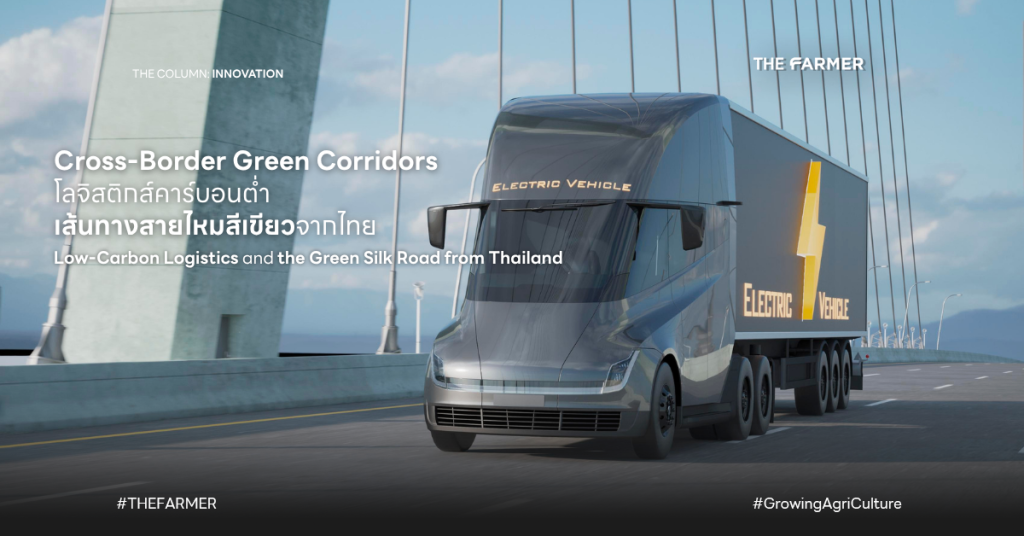
THE COLUMN: Cross-Border Green Corridors โลจิสติกส์คาร์บอนต่ำ เส้นทางสายไหมสีเขียวจากไทย
THE COLUMN: Cross-Border Green Corridors – Low-Carbon Logistics and the Green Silk Road from Thailand
⸻
(English is below)
⸻
“เมื่อคาร์บอนฟุตพรินต์ในสายพานโลจิสติกส์กลายเป็น ‘กำแพงภาษี’ ที่มองไม่เห็น การส่งออกสินค้าข้ามพรมแดนด้วยรถบรรทุกที่ปล่อยมลพิษสูง จึงไม่ใช่แค่การล้าหลังทางเทคโนโลยี แต่คือการอ้าแขนรับความเสี่ยงที่จะถูกแบรนด์ระดับโลกตัดออกจากซัพพลายเชนอย่างถาวร”
ในการค้าระหว่างประเทศแบบดั้งเดิม คอขวดที่ผู้ส่งออกหวาดกลัวที่สุดคือ “ความล่าช้าที่ด่านศุลกากร” แต่ในสมรภูมิการค้ายุค Climate Crisis ความเสี่ยงใหม่ที่ร้ายแรงและโจมตีงบกำไรขาดทุนได้ลึกกว่า คือการถูกเพ่งเล็งเรื่อง “คาร์บอนจากการขนส่ง (Transport Emissions)”
เมื่อแบรนด์ระดับโลก (Global Brands) ถูกบีบจากนักลงทุนและกฎหมายให้ต้องประกาศเป้าหมาย Net Zero สิ่งแรกที่พวกเขาจะทำคือการกวาดล้าง Scope 3 Emissions (ก๊าซเรือนกระจกที่เกิดขึ้นตลอดห่วงโซ่อุปทานซึ่งไม่ได้มาจากตัวบริษัทเอง) หากสินค้าไทยยังคงพึ่งพาระบบขนส่งที่ไม่ได้มาตรฐาน ปล่อยมลพิษสูง สินค้าของเราจะสูญเสียความสามารถในการแข่งขัน (Competitiveness) ทันทีเมื่อเทียบกับคู่แข่งที่มีระบบขนส่งสะอาดกว่า แม้ว่าตัวสินค้าจะมีคุณภาพดีกว่าก็ตาม
ทางออกเดียวที่จะรักษาเค้กชิ้นนี้ไว้ได้ คือการลงทุนและเชื่อมต่อกับ Cross-Border Green Corridors (เส้นทางสายไหมสีเขียว)
⸻
The Green Corridor: สถาปัตยกรรมโลจิสติกส์ไร้รอยต่อ
Green Corridor ไม่ใช่แค่การเปลี่ยนมาใช้รถบรรทุกไฟฟ้า แต่คือการบูรณาการโครงสร้างพื้นฐาน 3 เสาหลักเข้าด้วยกัน เพื่อสร้าง “ช่องทางด่วนพิเศษ” ที่ทั้งเร็วกว่าและสะอาดกว่า:
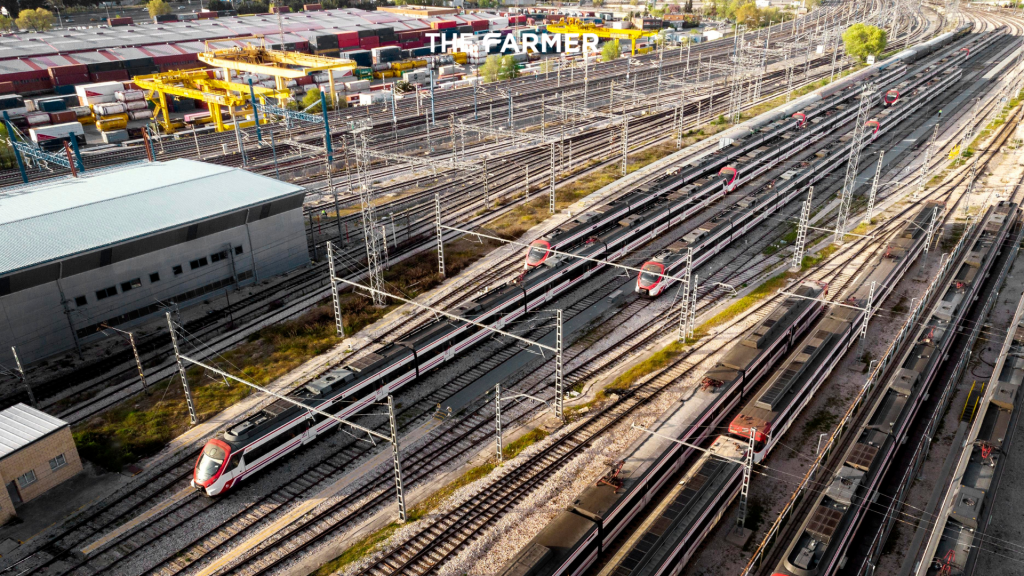
- Shift to Rail (ระบบรางคู่เชื่อมพรมแดน): การเปลี่ยนผ่านจากการขนส่งทางถนน (Trucking) สู่ระบบราง (Railway) คือหัวใจของการลดคาร์บอนสเกลใหญ่ การใช้โครงข่ายรถไฟทางคู่เชื่อมต่อชายแดน ช่วยลดการปล่อยคาร์บอนได้มหาศาลเมื่อเทียบกับรถบรรทุกดีเซล และเพิ่มปริมาณการขนส่งต่อเที่ยว (Economies of Scale) ได้อย่างก้าวกระโดด
- EV Fleet Integration (รถบรรทุก EV สำหรับ First & Last Mile): การใช้รถบรรทุกพลังงานไฟฟ้า (EV Trucks) มารับช่วงต่อจากสถานีรถไฟเพื่อกระจายสินค้าเข้าสู่ศูนย์กระจายสินค้าหรือข้ามแดนในระยะใกล้ เป็นการอุดรอยรั่วของการปล่อยมลพิษในจุดที่ระบบรางเข้าไม่ถึง
- Seamless Digital Trade (เอกสารอิเล็กทรอนิกส์ไร้รอยต่อ): การใช้ระบบ National Single Window (NSW) และเอกสารศุลกากรแบบ Paperless ข้ามแดน เพื่อลดเวลาที่รถบรรทุกต้องจอดติดเครื่องยนต์รอคอยหน้าด่าน ซึ่งเป็นหนึ่งในจุดที่สร้างมลพิษทางอากาศและคาร์บอนสะสมมากที่สุด
⸻
Thailand’s Driving Force: แรงหนุนจาก กระทรวงพาณิชย์ และ BOI
การจะสร้างเส้นทางสายไหมสีเขียวให้เกิดขึ้นจริง ต้องอาศัยการทลายข้อจำกัดด้านการลงทุนและระเบียบข้อบังคับ ซึ่งประเทศไทยมีฟันเฟืองสำคัญที่กำลังขับเคลื่อนเรื่องนี้:
- กระทรวงพาณิชย์ (MOC): เป็นหัวหอกในการผลักดันการค้าดิจิทัล (Digital Trade) และการเจรจาเชื่อมโยงระบบเอกสารอิเล็กทรอนิกส์ข้ามพรมแดนกับประเทศเพื่อนบ้าน รวมถึงการยกระดับขีดความสามารถของผู้ประกอบการไทยให้เข้าใจมาตรฐานสากลด้านความยั่งยืน เพื่อไม่ให้เรื่องคาร์บอนกลายเป็นข้อกีดกันทางการค้า
- สำนักงานคณะกรรมการส่งเสริมการลงทุน (BOI): มีการออกมาตรการส่งเสริมการลงทุนชุดใหญ่ที่พุ่งเป้าไปที่ Green Logistics อย่างชัดเจน โดยให้สิทธิประโยชน์ทางภาษีพิเศษแก่กิจการที่เปลี่ยนมาใช้ยานพาหนะไฟฟ้า (EV) เชิงพาณิชย์และโครงสร้างพื้นฐานที่เกี่ยวข้อง รวมถึงศูนย์กระจายสินค้าอัจฉริยะ (Smart Distribution Centers) ที่ใช้พลังงานหมุนเวียน

⸻
บทพิสูจน์ของโลจิสติกส์คาร์บอนต่ำ
- Regional Case Study (เส้นทางรถไฟ จีน-ลาว-ไทย): การเปิดให้บริการเส้นทางรถไฟข้ามพรมแดนที่เชื่อมตอนใต้ของจีน ลาว และไทยตอนบน ถือเป็นต้นแบบของ Green Corridor ระดับภูมิภาค ผู้ส่งออกสินค้าเกษตรและผลไม้สดของไทยสามารถลดเวลาขนส่งจากเดิมหลายวันเหลือเพียงไม่กี่สิบชั่วโมง ลดทั้งความสูญเสียของสินค้าและลดคาร์บอนฟุตพรินต์จากการใช้รถบรรทุกห้องเย็นวิ่งทางไกลได้อย่างมหาศาล
- Corporate Action (การตื่นตัวของกลุ่ม 3PLs): ผู้ให้บริการโลจิสติกส์บุคคลที่สาม (3PLs) รายใหญ่ในไทย เริ่มใช้สิทธิประโยชน์จาก BOI ในการนำเข้ารถบรรทุก EV ขนาดใหญ่ (Heavy-duty EV Trucks) มาให้บริการลูกค้าองค์กร (B2B) ที่ต้องการใบรับรองการลดคาร์บอน (Carbon Reduction Certificates) เพื่อนำไปหักลบ Scope 3 Emissions ของแบรนด์แม่

⸻
Regenerate: From Farm to Future
การลงทุนในระบบโลจิสติกส์คาร์บอนต่ำ ไม่ใช่เพียงการทำตามเทรนด์รักษ์โลก แต่คือการ “ซื้อตั๋วเข้าสู่ซัพพลายเชนระดับโลก”
ในยุคที่แบรนด์ข้ามชาติมีระบบตรวจสอบย้อนกลับ (Traceability) ที่เข้มข้นถึงระดับว่า สินค้าแต่ละพาเลทเดินทางมาด้วยพาหนะอะไร และปล่อยคาร์บอนไปกี่กรัม ผู้ผลิตที่สามารถนำเสนอ “บริการขนส่งแบบ Zero-Emission” ได้ ย่อมมีอำนาจในการเจรจาต่อรอง (Bargaining Power) สูงกว่าคู่แข่งที่เสนอเพียงแค่ราคาสินค้าที่ถูกกว่า
⸻
“When the carbon footprint in the logistics pipeline becomes an invisible “tariff wall,” exporting goods across borders using high-emission trucks is no longer just technological backwardness. It is welcoming the risk of being permanently cut from the supply chains of global brands.”
In traditional international trade, the bottleneck exporters feared most was “customs delays.” However, in the trade battlefield of the Climate Crisis era, a new, more severe risk that attacks the profit and loss statement much deeper is being scrutinized for “Transport Emissions.”
When Global Brands are pressured by investors and regulations to declare Net Zero targets, the first thing they will do is purge their Scope 3 Emissions (greenhouse gases generated throughout the supply chain, not directly produced by the company itself). If Thai products continue to rely on substandard, high-emission transportation systems, our goods will immediately lose their Competitiveness compared to rivals utilizing cleaner transport, even if our product quality is superior.
The only viable solution to retain this piece of the pie is investing in and connecting with Cross-Border Green Corridors (the Green Silk Road).
⸻
The Green Corridor: Seamless Logistics Architecture
The Green Corridor is not merely about switching to electric trucks. It is the integration of three foundational pillars to construct an “expressway” that is both faster and cleaner:
- Shift to Rail (Cross-Border Double-Track Railway): Transitioning from road transport (Trucking) to the Railway system is the heart of large-scale decarbonization. Utilizing a double-track railway network connecting borders massively reduces carbon emissions compared to diesel trucks while exponentially increasing freight volume per trip (Economies of Scale).
- EV Fleet Integration (EV Trucks for First & Last Mile): Deploying Electric Vehicle (EV) Trucks to take over from railway stations to distribute goods into distribution centers or across borders for short distances. This plugs the emissions loophole in areas inaccessible by the rail system.
- Seamless Digital Trade (Frictionless Electronic Documentation): Utilizing the National Single Window (NSW) system and cross-border Paperless customs documentation to minimize the time trucks spend idling at checkpoints—one of the points generating the highest levels of air pollution and accumulated carbon.
⸻
Thailand’s Driving Force: Support from the Ministry of Commerce and the BOI
Materializing this Green Silk Road requires dismantling investment constraints and regulatory barriers. Thailand possesses crucial cogs driving this initiative forward:
- Ministry of Commerce (MOC): Spearheading the push for Digital Trade and negotiations to interconnect cross-border electronic documentation systems with neighboring countries. This includes elevating the capabilities of Thai entrepreneurs to comprehend international sustainability standards, ensuring that carbon footprint issues do not become trade barriers.
- Board of Investment (BOI): Rolling out a comprehensive suite of investment promotion measures explicitly targeting Green Logistics. This grants special tax privileges to enterprises transitioning to commercial Electric Vehicles (EVs) and related infrastructure, including Smart Distribution Centers powered by renewable energy.
⸻
Proof of Low-Carbon Logistics
- Regional Case Study (China-Laos-Thailand Railway): The launch of the cross-border railway connecting southern China, Laos, and upper Thailand serves as a regional Green Corridor prototype. Thai exporters of agricultural products and fresh fruits can slash transit times from several days down to just a few dozen hours. This drastically curtails both product spoilage and the carbon footprint generated by long-haul refrigerated trucks.
- Corporate Action (The Awakening of 3PLs): Major Third-Party Logistics (3PL) providers in Thailand are beginning to leverage BOI privileges to import Heavy-duty EV Trucks. These are deployed to serve corporate (B2B) clients who demand Carbon Reduction Certificates to offset the Scope 3 Emissions of their parent brands.
⸻
Regenerate: From Farm to Future
Investing in low-carbon logistics systems is not merely following an eco-friendly trend; it is “buying a ticket into the global supply chain.”
In an era where multinational brands mandate rigorous Traceability systems down to tracking which vehicle transported each pallet and how many grams of carbon it emitted, manufacturers capable of offering “Zero-Emission transport services” inherently possess greater Bargaining Power than competitors solely offering cheaper product prices.
⸻
𝗧𝗛𝗘 𝗙𝗔𝗥𝗠𝗘𝗥: 𝗴𝗿𝗼𝘄𝗶𝗻𝗴 ◦ 𝗮𝗴𝗿𝗶 ◦ 𝗰𝘂𝗹𝘁𝘂𝗿𝗲 | 𝘙𝘦𝘨𝘦𝘯𝘦𝘳𝘢𝘵𝘪𝘷𝘦 𝘙𝘪𝘴𝘦
Facebook: https://www.facebook.com/thefarmer.th
YouTube: https://www.youtube.com/@thefarmerth
Instagram: https://www.instagram.com/thefarmerthai/

