

THE COLUMN: Waste-to-Wealth Infrastructure โครงสร้างพื้นฐานเปลี่ยนของเสียเป็นพลังงานหมุนเวียน
THE COLUMN: Waste-to-Wealth Infrastructure – Transforming Waste into Renewable Energy
⸻
(English is below)
⸻
“เมื่อของเสียจากสายพานการผลิตไม่ใช่ภาระต้นทุนเพื่อการกำจัดอีกต่อไป แต่คือ ‘แหล่งพลังงานสำรอง’ ที่ซ่อนอยู่ในงบดุล การลงทุนเปลี่ยนของเสียเป็นพลังงานหมุนเวียนจึงไม่ใช่แค่เรื่องรักษ์โลก แต่คือยุทธศาสตร์ลด OPEX และสร้างความมั่นคงทางพลังงานอย่างเบ็ดเสร็จ”
ในอุตสาหกรรมแปรรูปการเกษตรและฟาร์มปศุสัตว์ขนาดใหญ่ “ของเสีย (Waste)” ทั้งในรูปแบบน้ำเสีย กากอุตสาหกรรม หรือมูลสัตว์ มักถูกประเมินค่าเป็นเพียง “ภาระต้นทุน (Liability)” ที่ต้องเฉือนกำไรมาใช้บริหารจัดการ หากระบบบำบัดไม่ได้มาตรฐาน หรือเกิดการรั่วไหลสู่ชุมชน สิ่งที่ตามมาจะไม่ใช่แค่ค่าปรับทางกฎหมาย แต่คือ ความเสี่ยงด้านชื่อเสียง (Reputation Risk) ที่อาจทำลายความเชื่อมั่นของนักลงทุนและกีดกันองค์กรออกจากซัพพลายเชนระดับโลกที่มีมาตรฐาน ESG เป็นเกณฑ์ชี้วัด
ทว่าในสภาวะที่ค่าไฟฟ้าและราคาพลังงานฟอสซิลมีความผันผวนสูง การมองของเสียเป็นเพียงสิ่งที่ต้องกำจัดทิ้ง ถือเป็นการสูญเสียโอกาสทางเศรษฐกิจอย่างมหาศาล องค์กรระดับแนวหน้าจึงเริ่มขยับตัวสู่การลงทุนใน Waste-to-Wealth Infrastructure โครงสร้างพื้นฐานที่พลิกของเสียให้กลายเป็น ‘ขุมทรัพย์ทางพลังงาน’ ภายในรั้วโรงงานของตนเอง
⸻
The Liability Trap: ภาระต้นทุนและความเสี่ยงที่ซ่อนอยู่ในของเสีย
โมเดลโรงงานแบบดั้งเดิม (Linear Economy) เดินเครื่องด้วยการซื้อไฟฟ้าจากสายส่ง (Grid) และจ่ายเงินค่ากำจัดของเสียออกไปนอกโรงงาน เป็นการเสียเลือดออกสองทาง (Double-sided OPEX) ยิ่งกำลังการผลิตสูง ต้นทุนการจัดการด้านสิ่งแวดล้อมก็ยิ่งพุ่งเป็นเงาตามตัว
นอกจากนี้ แรงกดดันจากมาตรการปรับราคาคาร์บอนก่อนข้ามพรมแดน (CBAM) และข้อกำหนดของคู่ค้าข้ามชาติ ทำให้การปล่อยก๊าซเรือนกระจกจากกองของเสีย (โดยเฉพาะก๊าซมีเทนที่มีฤทธิ์ทำให้โลกร้อนกว่าคาร์บอนไดออกไซด์ถึง 28 เท่า) กลายเป็นภาษีที่มองไม่เห็น องค์กรที่ไม่มีระบบปิดล้อมวงจรของเสีย จะสูญเสียความสามารถในการแข่งขัน (Competitiveness) ในระยะยาว

⸻
The Energy Security Paradigm: พลิกของเสียเป็นขุมทรัพย์ด้วย Biogas และ Biomass
ทางออกของการอุดรอยรั่วนี้ คือการสร้างโครงสร้างพื้นฐานด้านพลังงานหมุนเวียนแบบครบวงจร (Closed-loop Renewable Infrastructure) เพื่อเปลี่ยนสถานะองค์กรจาก ‘ผู้บริโภคพลังงาน’ สู่ ‘ผู้ผลิตพลังงานใช้เอง (Prosumer)’ ผ่าน 2 เทคโนโลยีหลัก:
- Biogas (ก๊าซชีวภาพ): การนำน้ำเสียจากโรงงาน (เช่น โรงงานแปรรูปแป้งมัน ปาล์มน้ำมัน) หรือมูลสัตว์จากฟาร์มปศุสัตว์ เข้าสู่ระบบหมักไร้อากาศ (Anaerobic Digestion) เพื่อดักจับก๊าซมีเทนมาใช้เป็นเชื้อเพลิงปั่นกระแสไฟฟ้า หรือนำไปผลิตความร้อนใช้ในหม้อไอน้ำ (Boiler) แทนการใช้น้ำมันเตา แนวทางนี้สอดคล้องกับขอบเขตงานวิจัยของ BIOTEC/NSTDA ที่ดำเนินการวิจัยและพัฒนาเทคโนโลยีชีวภาพในการผลิตก๊าซชีวภาพจากของเสียอุตสาหกรรมแปรรูปผลิตผลทางการเกษตร เช่น เปลือกและกากมันสำปะหลัง รวมถึงการพัฒนาการเลือกใช้จุลินทรีย์ที่เหมาะสมเพื่อเพิ่มประสิทธิภาพการผลิตก๊าซชีวภาพในระดับอุตสาหกรรม
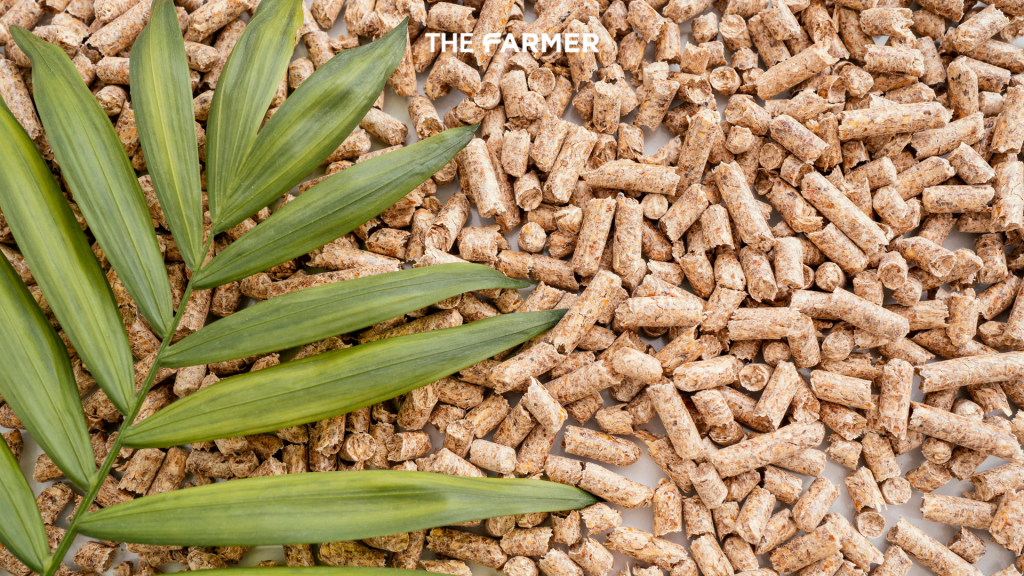
- Biomass (ชีวมวล): การนำของเสียสถานะแข็ง เช่น แกลบ ชานอ้อย ทะลายปาล์ม หรือกากชีวภาพ ไปผ่านกระบวนการเผาไหม้ (Combustion) หรือการแปลงสภาพเป็นก๊าซ (Gasification) เพื่อผลิตไฟฟ้าและความร้อนร่วม (Cogeneration) ซึ่งสอดคล้องกับยุทธศาสตร์การวิจัยพลังงานทดแทนของ สถาบันวิจัยวิทยาศาสตร์และเทคโนโลยีแห่งประเทศไทย (วว.) ที่มุ่งเน้นการยกระดับเทคโนโลยีชีวมวลและ Gasification เพื่อสร้างความมั่นคงทางพลังงานระดับชุมชนและอุตสาหกรรม
ผลลัพธ์เชิงประจักษ์คือ องค์กรสามารถลดค่าไฟฟ้าและเชื้อเพลิง (OPEX) ลงได้อย่างมีนัยสำคัญ สร้างความมั่นคงทางพลังงาน (Energy Security) ในกรณีที่เกิดวิกฤตพลังงานระดับชาติ และสามารถนำผลพลอยได้ (By-product) อย่างกากที่เหลือจากการหมัก ไปต่อยอดเป็นปุ๋ยชีวภาพ ลดต้นทุนภาคการเกษตรได้อีกทอดหนึ่ง ซึ่งเป็นการปิดวงจรเศรษฐกิจหมุนเวียน (Circular Economy) ได้อย่างสมบูรณ์แบบ
⸻
Thailand’s Ecosystem: แรงขับเคลื่อนจากภาครัฐสู่ระดับอุตสาหกรรม
การเปลี่ยนผ่านโครงสร้างพื้นฐานระดับนี้ ต้องอาศัยเม็ดเงินลงทุน (CAPEX) ในช่วงต้น ภาครัฐของไทยจึงได้วางกลไกสนับสนุนอย่างเป็นระบบ:
แกนหลักด้านนโยบายถูกขับเคลื่อนโดย กระทรวงพลังงาน ผ่าน กรมพัฒนาพลังงานทดแทนและอนุรักษ์พลังงาน (พพ.) ที่ผลักดันแผนพัฒนากำลังผลิตไฟฟ้าของประเทศ (PDP) และแผนพัฒนาพลังงานทดแทน (AEDP) โดยมีกลไกอุดหนุนและสิทธิประโยชน์ต่างๆ เพื่อจูงใจให้โรงงานอุตสาหกรรมติดตั้งระบบ Biogas และ Biomass
ในขณะเดียวกัน การยกระดับประสิทธิภาพของเทคโนโลยีให้เหมาะสมกับลักษณะของเสียในประเทศไทย ก็ได้รับการสนับสนุนทุนวิจัยจาก สำนักงานคณะกรรมการส่งเสริมวิทยาศาสตร์ วิจัยและนวัตกรรม (สกสว.) ซึ่งทำหน้าที่เป็นฟันเฟืองสำคัญในการสนับสนุนงานวิจัยเชิงพาณิชย์ ช่วยลดความเสี่ยงทางเทคโนโลยีให้กับผู้ประกอบการ และพัฒนาเทคโนโลยีการจัดการของเสียให้มีประสิทธิภาพการผลิตก๊าซสูงสุด (High Yield)
⸻
Regenerate: From Waste to Wealth
โครงสร้างพื้นฐาน Waste-to-Wealth ไม่ใช่โปรเจกต์รักษ์โลกที่ทำเพื่อภาพลักษณ์ผิวเผิน แต่คือ ‘เครื่องมือป้องกันความเสี่ยง (Hedging Tool)’ ทางการเงินที่ทรงประสิทธิภาพที่สุดในยุคที่พลังงานมีราคาแพง
⸻
“When production line waste is no longer a disposal cost burden but a “hidden energy reserve” on the balance sheet, investing in waste-to-renewable energy is not just about saving the planet. It is an absolute strategy to reduce OPEX and build total energy security.”
In the large-scale agro-processing and livestock industries, “Waste”—whether in the form of wastewater, industrial residue, or animal manure—is often undervalued merely as a “Liability” that slices into profits for its management. If treatment systems fall short of standards or leak into communities, the consequences extend beyond legal fines; it becomes a Reputation Risk that can destroy investor confidence and exclude the organization from global supply chains where ESG standards are the benchmark.
However, amidst highly volatile electricity rates and fossil fuel prices, viewing waste merely as something to be disposed of is a massive loss of economic opportunity. Leading organizations are therefore beginning to pivot toward investing in Waste-to-Wealth Infrastructure—an infrastructure that transforms waste into an “energy treasure” within their own factory fences.
⸻
The Liability Trap: The Cost Burden and Hidden Risks of Waste
The traditional factory model (Linear Economy) operates by purchasing electricity from the Grid and paying external waste disposal fees—essentially bleeding cash from both ends (Double-sided OPEX). The higher the production capacity, the more environmental management costs inevitably soar.
Furthermore, pressure from the Carbon Border Adjustment Mechanism (CBAM) and requirements from multinational partners have turned greenhouse gas emissions from waste piles (especially methane, which has a global warming potential 28 times greater than carbon dioxide) into an invisible tax. Organizations lacking a closed-loop waste system will lose their Competitiveness in the long run.
⸻
The Energy Security Paradigm: Turning Waste into Wealth with Biogas and Biomass
The solution to plugging this leak is building a Closed-loop Renewable Infrastructure to transition the organization’s status from an “energy consumer” to a “Prosumer” through two main technologies:
- Biogas: Feeding factory wastewater (e.g., from cassava starch or palm oil processing plants) or livestock manure into an Anaerobic Digestion system to capture methane gas. This gas is then used as fuel to generate electricity or produce heat for Boilers, replacing fuel oil. This approach aligns with the research scope of BIOTEC/NSTDA, which conducts R&D on biotechnology for biogas production from agricultural processing waste (such as cassava peels and pulp), including the development of optimal microbial selections to maximize industrial-scale biogas production efficiency.
- Biomass: Utilizing solid waste like rice husks, bagasse, empty palm fruit bunches, or biosludge through Combustion or Gasification processes to generate combined heat and power (Cogeneration). This corresponds with the renewable energy research strategy of the Thailand Institute of Scientific and Technological Research (TISTR), which focuses on elevating biomass and Gasification technologies to establish energy security at both community and industrial levels.
The empirical result is that organizations can significantly reduce electricity and fuel costs (OPEX), build Energy Security in the event of national energy crises, and repurpose By-products—like fermentation residue—into bio-fertilizers to further cut agricultural costs. This perfectly closes the loop of the Circular Economy.
⸻
Thailand’s Ecosystem: The Driving Force from the Public Sector to the Industrial Level
Transitioning infrastructure at this scale requires initial Capital Expenditure (CAPEX). Therefore, the Thai government has laid out a systematic support mechanism:
The core policy framework is driven by the Ministry of Energy through the Department of Alternative Energy Development and Efficiency (DEDE), which advocates the Power Development Plan (PDP) and the Alternative Energy Development Plan (AEDP). These incorporate subsidy mechanisms and various incentives to motivate industrial plants to install Biogas and Biomass systems.
Simultaneously, elevating technological efficiency to suit the characteristics of waste in Thailand receives research funding from Thailand Science Research and Innovation (TSRI). TSRI acts as a crucial cog in supporting commercial research, helping entrepreneurs mitigate technological risks, and developing waste management technologies to achieve high-yield gas production efficiency.
⸻
Regenerate: From Waste to Wealth.
Waste-to-Wealth infrastructure is not a superficial, greenwashing environmental project; it is the most robust financial “Hedging Tool” in an era of expensive energy.
⸻
𝗧𝗛𝗘 𝗙𝗔𝗥𝗠𝗘𝗥: 𝗴𝗿𝗼𝘄𝗶𝗻𝗴 ◦ 𝗮𝗴𝗿𝗶 ◦ 𝗰𝘂𝗹𝘁𝘂𝗿𝗲 | 𝘙𝘦𝘨𝘦𝘯𝘦𝘳𝘢𝘵𝘪𝘷𝘦 𝘙𝘪𝘴𝘦
Facebook: https://www.facebook.com/thefarmer.th
YouTube: https://www.youtube.com/@thefarmerth
Instagram: https://www.instagram.com/thefarmerthai/

