

THE COLUMN: The Smallholder Tech Democratic การกระจายนวัตกรรมสู่ฐานรากผ่านโมเดล Tech-as-a-Service
THE COLUMN: The Smallholder Tech Democratization – Distributing Innovation to the Grassroots via the Tech-as-a-Service Model
⸻
(English is below)
⸻
“เมื่อเทคโนโลยีขั้นสูงถูกผูกขาดโดยกลุ่มทุนใหญ่ ฐานรากของซัพพลายเชนการเกษตรจึงเปราะบาง การปลดล็อก ‘ประชาธิปไตยทางเทคโนโลยี’ ผ่านโมเดลเช่าใช้ (Tech-as-a-Service) จึงไม่ใช่แค่การช่วยเกษตรกรรายย่อย แต่คือก้าวสำคัญในการเสริมความมั่นคงทางอาหารของประเทศ”
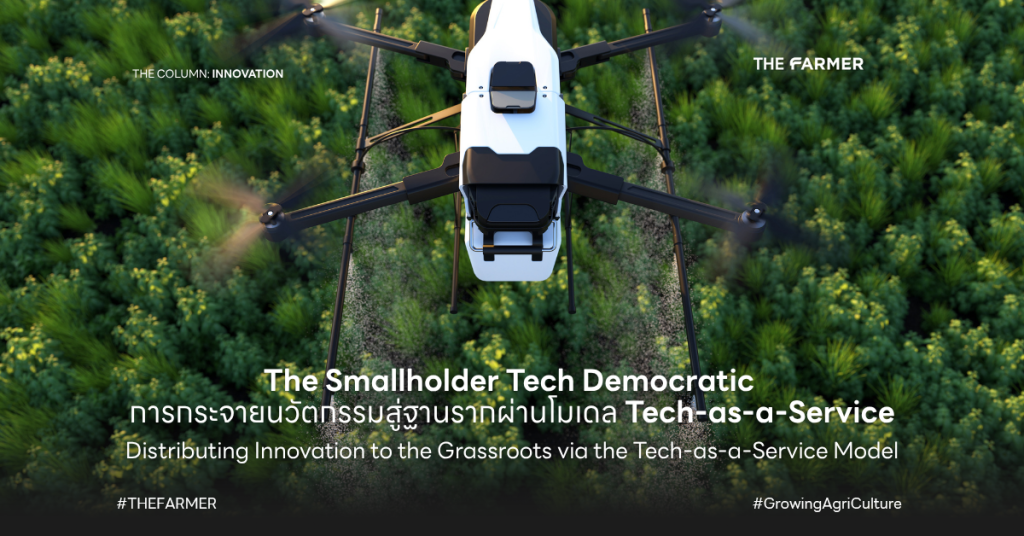
ในสมรภูมิการเกษตรยุคใหม่ เทคโนโลยีขั้นสูง (Deep-Tech) อย่างโดรนการเกษตรอัจฉริยะ, เซนเซอร์ IoT, หรือรถแทรกเตอร์ไร้คนขับ มักกระจุกตัวอยู่เฉพาะในกลุ่มธุรกิจการเกษตรขนาดใหญ่ที่มีสายป่านยาวและมีกำลังซื้อสูง (Monopoly)
ในขณะเดียวกัน เกษตรกรรายย่อย (Smallholders) ซึ่งคิดเป็นสัดส่วนกว่า 70% ของเกษตรกรทั้งประเทศ กลับต้องติดหล่มอยู่กับข้อจำกัดเดิม ๆ เพราะต้นทุนในการครอบครองเทคโนโลยี (CAPEX) สูงเกินกว่าที่รายได้ต่อฤดูกาลจะรองรับไหว ความเหลื่อมล้ำทางเทคโนโลยีนี้กำลังสร้าง “ความเปราะบาง” อย่างรุนแรงให้กับอุตสาหกรรมต้นน้ำ เพราะเมื่อฐานรากของซัพพลายเชนไม่สามารถรับมือกับต้นทุนการผลิตที่พุ่งสูง การขาดแคลนแรงงาน และผลผลิตที่ได้คุณภาพต่ำกว่ามาตรฐาน อุตสาหกรรมอาหารและผู้ส่งออกระดับ Global Brands ย่อมเผชิญกับวิกฤตวัตถุดิบขาดแคลนอย่างหลีกเลี่ยงไม่ได้
ทางออกของการทลายกำแพงนี้ ไม่ใช่การบังคับให้เกษตรกรรายย่อยกู้หนี้ยืมสินมาซื้อเครื่องจักร แต่คือการสร้างสถาปัตยกรรมทางธุรกิจใหม่ที่เรียกว่า “ประชาธิปไตยทางเทคโนโลยี (Democratization of Tech)”
⸻
Tech-as-a-Service (TaaS): เปลี่ยน CAPEX เป็น OPEX
หัวใจของการกระจายนวัตกรรมสู่ฐานราก คือการเปลี่ยนโมเดลจากการ “ครอบครอง (Ownership)” สู่การ “เช่าใช้ (As-a-Service)” หรือที่ในวงการเรียกว่า Farming-as-a-Service (FaaS)
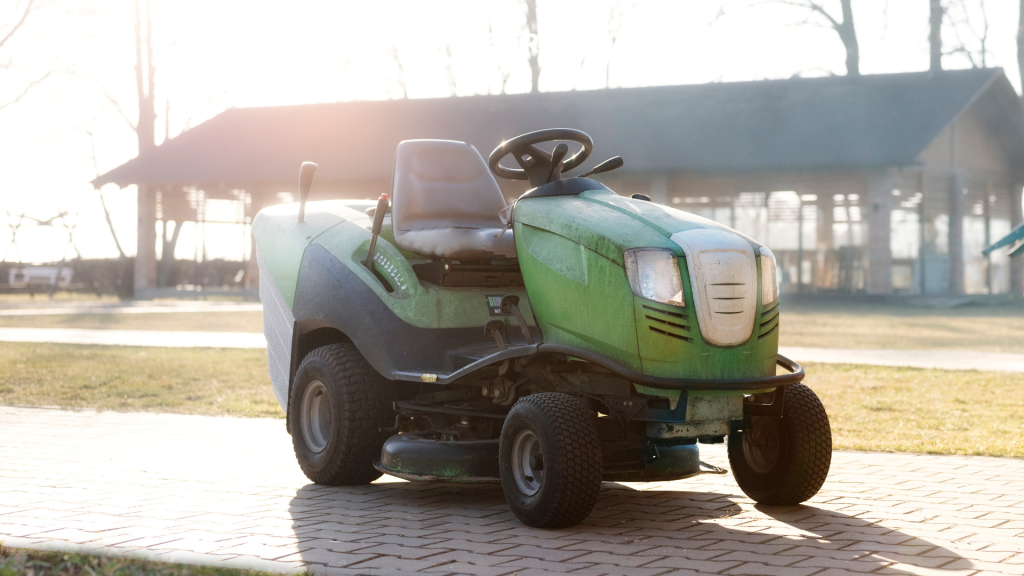
แม้ภาคการเกษตรไทยจะคุ้นเคยกับเครือข่าย “รถเกี่ยวข้าว หรือ รถไถรับจ้าง” แบบดั้งเดิม (Informal Custom-hire) มานานแล้ว แต่สิ่งที่ TaaS แตกต่างอย่างสิ้นเชิงคือ การนำแพลตฟอร์มดิจิทัลเข้ามาอุดช่องโหว่ของตลาดเดิม สร้างมาตรฐานราคาที่โปร่งใส จัดระบบคิวงานที่แม่นยำ และที่สำคัญที่สุดคือ “การเก็บข้อมูล (Data-driven)”
แทนที่เกษตรกรจะต้องแบกรับรายจ่ายลงทุน (CAPEX) ซื้อโดรนหลักแสน พวกเขาสามารถเปลี่ยนมาใช้รายจ่ายดำเนินงาน (OPEX) จ่ายค่าบริการผ่านแพลตฟอร์มเป็นรายไร่ โมเดลนี้ช่วยลดความเสี่ยงทางการเงิน และยกระดับพวกเขาจากเกษตรกรดั้งเดิมสู่ Smart Farmer ได้ทันที
⸻
Ecosystem Builders: ขุมพลังจาก สกสว. และ ธ.ก.ส.
การจะทำให้โมเดล Tech-as-a-Service ขยายผลได้ในระดับประเทศ (Scale-up) ต้องอาศัยการบูรณาจากหน่วยงานหลัก:
- สำนักงานคณะกรรมการส่งเสริมวิทยาศาสตร์ วิจัยและนวัตกรรม (สกสว.): ทำหน้าที่สนับสนุนงบประมาณให้กับนักวิจัยและผู้ประกอบการไทยในการพัฒนา Deep-Tech ทางการเกษตรที่เหมาะสมกับบริบทของพื้นที่ (Localization) เพื่อลดการนำเข้าเทคโนโลยีราคาแพงจากต่างประเทศ ทำให้ต้นทุนของเครื่องจักรและซอฟต์แวร์ถูกลงจนสามารถนำมาทำโมเดล As-a-Service ได้อย่างคุ้มค่า
- ธนาคารเพื่อการเกษตรและสหกรณ์การเกษตร (ธ.ก.ส.): ทำหน้าที่เป็น “เส้นเลือดใหญ่ทางการเงิน” โดยไม่ได้ปล่อยสินเชื่อให้เกษตรกรไปซื้อเครื่องจักรแบบเดิม ๆ แต่ปรับรูปแบบเป็นการสนับสนุน “สินเชื่อนวัตกรรม” ให้กับกลุ่มผู้ให้บริการ (Service Providers) หรือ สตาร์ทอัพ เพื่อนำไปขยายฝูงบินโดรน (Fleet) หรือจัดซื้อเครื่องจักรกลขนาดใหญ่ รวมถึงการให้สินเชื่อระยะสั้นแก่เกษตรกรรายย่อยเพื่อนำไปเป็น “ค่าจ้างบริการ” ผ่านแพลตฟอร์ม

⸻
บทพิสูจน์นวัตกรรมจากสนามจริงทั้งในและต่างประเทศ
ปัจจุบัน แพลตฟอร์มสตาร์ทอัพที่ทำหน้าที่เป็นตัวกลาง (Aggregator) คล้ายกับ “GRAB สำหรับการเกษตร” ได้พิสูจน์แล้วว่าสามารถพลิกโฉมอุตสาหกรรมได้อย่างเป็นรูปธรรม:
- Drone-as-a-Service (นวัตกรรมจากไทย): ICON KASET (ไอคอน เกษตร) แพลตฟอร์มที่พัฒนาโดยกลุ่มบริษัท ไอ ซี พี ผู้บุกเบิกแอปพลิเคชันเรียกโดรนเกษตร ทำหน้าที่เชื่อมต่อเกษตรกรกับนักบินโดรนมืออาชีพทั่วประเทศ เกษตรกรสามารถเรียกใช้บริการผ่านแอปพลิเคชัน จ่ายค่าบริการ และได้รับงานฉีดพ่นที่มีมาตรฐานโดยไม่ต้องลงทุนซื้อโดรนเอง เทคโนโลยีนี้ช่วยแก้ปัญหาแรงงานฉีดพ่นที่หายาก ลดปริมาณการใช้สารเคมีลงได้กว่า 30% และลดความเสี่ยงด้านสุขภาพของเกษตรกรอย่างยั่งยืน
- Tractor Sharing (บทเรียนระดับสากล): Hello Tractor จากไนจีเรียคือต้นแบบของแพลตฟอร์มแชร์เครื่องจักร โดยให้เจ้าของแทรกเตอร์ติดตั้งอุปกรณ์ GPS/IoT เข้ากับเครื่องจักร แล้วเปิดให้เกษตรกรรายย่อยจองคิวใช้งาน ปัจจุบันขยายบริการไปแล้ว 13 ประเทศในแอฟริกาและ 3 ประเทศในเอเชีย ให้บริการเกษตรกรกว่า 500,000 รายผ่านเครือข่ายเจ้าของเครื่องจักรหลายพันราย ข้อมูลชี้ว่าเทคโนโลยีนี้ช่วยเพิ่มประสิทธิภาพได้ถึง 40 เท่าและลดต้นทุนเหลือเพียง 1 ใน 3 เมื่อเทียบกับแรงงานคน บทเรียนนี้คือพิมพ์เขียวชั้นเยี่ยมที่ภาคเกษตรไทยสามารถนำมาปรับใช้เพื่อยกระดับตลาดรับจ้างแบบดั้งเดิม

⸻
Regenerate: Farm to Future
การเติบโตของโมเดล Tech-as-a-Service ไม่ได้เป็นเพียงโอกาสของกลุ่มสตาร์ทอัพ แต่คือ “โครงข่ายความปลอดภัย (Safety Net)” ขององค์กรธุรกิจการเกษตรขนาดใหญ่
หาก Contract Farming หรือเกษตรกรในเครือข่ายของคุณยังคงเผชิญปัญหาการขาดแคลนแรงงานและต้นทุนที่ควบคุมไม่ได้ ซัพพลายเชนของคุณกำลังอยู่ในจุดวิกฤต การเข้าไปเป็นพันธมิตร (Partnership) หรือร่วมลงทุน (Venture Building) กับสตาร์ทอัพกลุ่ม TaaS เพื่อกระจายเทคโนโลยีและประสิทธิภาพลงสู่ฐานราก จึงไม่ใช่เรื่องของการทำ CSR แต่คือกลยุทธ์เชิงรุกในการ ‘ล็อกเสถียรภาพ’ ของผลผลิต และสร้างกำไรที่ยั่งยืนบนรากฐานที่แข็งแกร่งอย่างแท้จริง
⸻
“When advanced technology is monopolized by large conglomerates, the grassroots of the agricultural supply chain become fragile. Unlocking “technological democratization” through the Tech-as-a-Service model is not merely about assisting smallholder farmers, but a crucial step in reinforcing the nation’s food security.”
In the modern agricultural battlefield, advanced technologies (Deep-Tech) such as smart agricultural drones, IoT sensors, or autonomous tractors are often concentrated exclusively among large agribusinesses with deep pockets and high purchasing power (Monopoly).
Meanwhile, Smallholder farmers—accounting for over 70% of the nation’s agricultural workforce—remain bogged down by traditional constraints. The Capital Expenditure (CAPEX) required for technology ownership is far too high for their seasonal income to sustain. This technological inequality is creating severe “fragility” in the upstream industry. When the grassroots of the supply chain cannot cope with surging production costs, labor shortages, and substandard productivity, the food industry and Global Brands exporters will inevitably face raw material shortage crises.
The solution to breaking down this wall is not forcing smallholder farmers into debt to purchase machinery, but rather building a new business architecture known as the “Democratization of Tech.”
⸻
Tech-as-a-Service (TaaS): Shifting CAPEX to OPEX
The heart of distributing innovation to the grassroots lies in shifting the model from “Ownership” to “As-a-Service,” commonly referred to in the industry as Farming-as-a-Service (FaaS).
Although the Thai agricultural sector has long been familiar with traditional Informal Custom-hire networks (such as “hired combine harvesters or tractors”), TaaS is fundamentally different. It introduces digital platforms to plug the loopholes of the traditional market, establishes transparent pricing standards, organizes precise queueing systems, and most importantly, is “Data-driven.”
Instead of farmers bearing the Capital Expenditure (CAPEX) of hundreds of thousands of baht to buy a drone, they can switch to Operational Expenditure (OPEX) by paying a per-rai service fee through a platform. This model mitigates financial risks and instantly elevates them from traditional farmers to Smart Farmers.
⸻
Ecosystem Builders: The Powerhouse of TSRI and BAAC
Scaling up the Tech-as-a-Service model to a national level requires integration from key institutions:
- Thailand Science Research and Innovation (TSRI): Responsible for funding Thai researchers and entrepreneurs to develop agricultural Deep-Tech suited for local contexts (Localization). This reduces reliance on expensive imported technologies, driving down the costs of machinery and software to levels where the As-a-Service model becomes economically viable.
- Bank for Agriculture and Agricultural Cooperatives (BAAC): Acting as the “financial main artery,” it pivots away from issuing traditional loans for farmers to buy machinery. Instead, it provides “innovation loans” to Service Providers or startups to expand their drone fleets or purchase large machinery. Additionally, it offers short-term loans to smallholder farmers to be used as “service fees” on these platforms.
⸻
Proving Innovation on the Actual Battlefield: Domestic and International Case Studies
Today, startup platforms acting as Aggregators—similar to a “GRAB for agriculture”—have empirically proven their ability to revolutionize the industry:
- Drone-as-a-Service (Thai Innovation): ICON KASET, a platform developed by the ICP Group, pioneered the agricultural drone-hailing application. It connects farmers with professional drone pilots nationwide. Farmers can request services via the app, pay the fee, and receive standardized spraying services without the CAPEX of buying a drone. This technology solves the scarcity of spraying labor, reduces chemical usage by over 30%, and sustainably lowers farmers’ health risks.
- Tractor Sharing (International Lesson): Hello Tractor from Nigeria is the prototype for machinery-sharing platforms. It enables tractor owners to install GPS/IoT devices on their equipment and allows smallholder farmers to book usage queues. It has currently expanded to 13 countries in Africa and 3 in Asia, serving over 500,000 farmers through a network of thousands of machine owners. Data indicates this technology boosts efficiency by up to 40 times and slashes costs to just one-third compared to manual labor. This lesson serves as an excellent blueprint that the Thai agricultural sector can adopt to elevate the traditional custom-hire market.
⸻
Regenerate: Farm to Future
The growth of the Tech-as-a-Service model is not just an opportunity for startups; it acts as a “Safety Net” for large agribusiness conglomerates.
If your Contract Farming network or partnered farmers are still facing labor shortages and uncontrollable costs, your supply chain is at a critical juncture. Entering into a Partnership or Venture Building with TaaS startups to cascade technology and efficiency down to the grassroots is not a matter of CSR. Rather, it is a proactive strategy to “lock in the stability” of yields and generate sustainable profits upon a truly solid foundation.
⸻
𝗧𝗛𝗘 𝗙𝗔𝗥𝗠𝗘𝗥: 𝗴𝗿𝗼𝘄𝗶𝗻𝗴 ◦ 𝗮𝗴𝗿𝗶 ◦ 𝗰𝘂𝗹𝘁𝘂𝗿𝗲 | 𝘙𝘦𝘨𝘦𝘯𝘦𝘳𝘢𝘵𝘪𝘷𝘦 𝘙𝘪𝘴𝘦
Facebook: https://www.facebook.com/thefarmer.th
YouTube: https://www.youtube.com/@thefarmerth
Instagram: https://www.instagram.com/thefarmerthai/

