

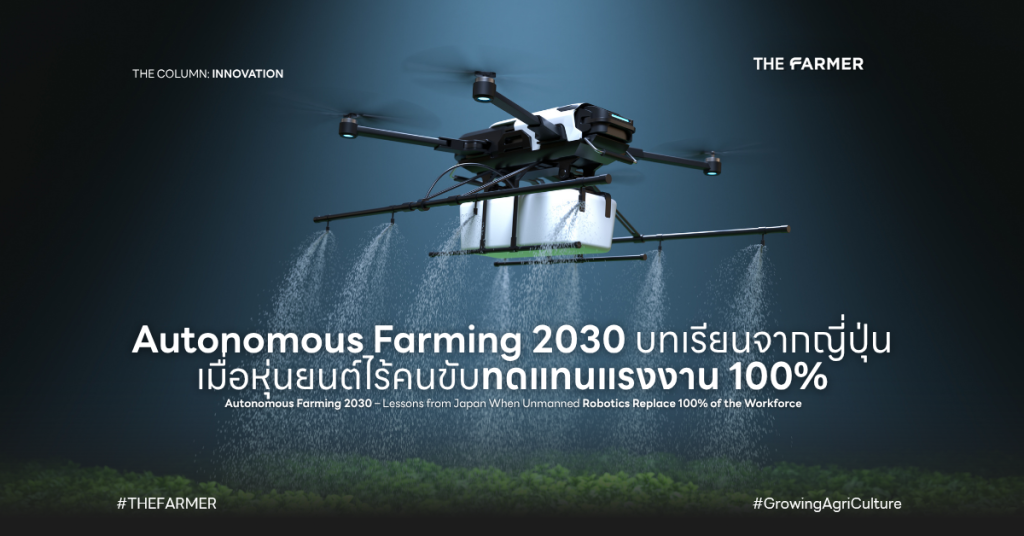
THE COLUMN: Autonomous Farming 2030 บทเรียนจากญี่ปุ่นเมื่อหุ่นยนต์ไร้คนขับทดแทนแรงงาน 100%
THE COLUMN: Autonomous Farming 2030 – Lessons from Japan When Unmanned Robotics Replace 100% of the Workforce
⸻
⸻
(For English is below)
⸻
“เมื่อมนุษย์คือต้นทุนที่ควบคุมไม่ได้และกำลังขาดแคลน ฟาร์มแห่งอนาคตจึงไม่ใช่เรื่องของหยาดเหงื่อแรงงาน แต่คือ ‘โรงงานผลิตอาหารกลางแจ้ง’ ที่ขับเคลื่อนด้วย Data หุ่นยนต์ และคลาวด์ซิสเต็มแบบ 24 ชั่วโมง”
ลองมองย้อนกลับมาที่อุตสาหกรรมเกษตรของประเทศไทย ในขณะที่เรากำลังภูมิใจกับการเป็นฐานการส่งออกผลผลิตระดับท็อปของโลก แต่หากกางงบดุลและโครงสร้างต้นทุน (Cost Structure) ดูจะพบว่า ‘ค่าแรงงาน’ คือตัวแปรที่กำลังกัดกินกำไรขั้นต้นอย่างหนัก ซ้ำร้ายเรากำลังก้าวเข้าสู่สังคมสูงวัยขั้นสุดยอด (Super-Aged Society) เกษตรกรรุ่นใหม่ปฏิเสธการลงแปลงไร่ ทิ้งให้ภาคเกษตรต้องพึ่งพาแรงงานข้ามชาติที่มีความผันผวนสูง ในขณะที่เรายังคงพยายามแก้ปัญหาด้วยการอุดหนุนราคา ประเทศที่เผชิญวิกฤตประชากรมาก่อนเราอย่างญี่ปุ่น ได้ก้าวข้ามปัญหานี้ไปสู่การรื้อโครงสร้างระบบการผลิตใหม่ทั้งหมด นี่คือจุดเริ่มต้นที่ทำให้เราต้องหันมาดูบทเรียนการใช้เทคโนโลยีเครื่องจักรกลไร้คนขับ ที่กำลังเปลี่ยนกระดานการแข่งขันของอุตสาหกรรมอาหารโลก
⸻
The Human Bottleneck: เมื่อแรงงานคือ ‘คอขวด’ ของการทำกำไร
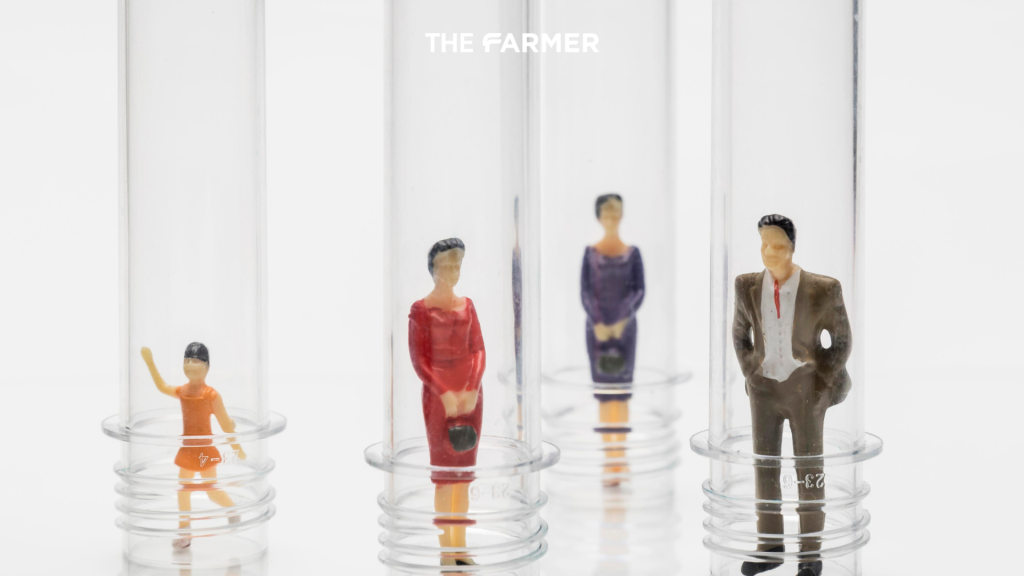
วิกฤตขาดแคลนแรงงานและค่าจ้างที่ปรับตัวสูงขึ้นอย่างต่อเนื่อง ไม่ใช่แค่ปัญหาหน้างานที่แก้ได้ด้วยการบริหารทรัพยากรบุคคล (HR Management) แต่ในมุมมองทางเศรษฐศาสตร์ นี่คือ คอขวด (Bottleneck) ที่ดันให้ต้นทุนการดำเนินงาน (OPEX) พุ่งทะยานจนสูญเสียขีดความสามารถในการแข่งขันบนเวทีโลก
การพึ่งพามนุษย์ในกระบวนการเพาะปลูกดั้งเดิม หมายถึงการแบกรับความเสี่ยงจากสภาพอากาศ ความเหนื่อยล้า และข้อจำกัดด้านเวลาทำงาน ซึ่งบีบให้การขยายสเกลการผลิต (Economy of Scale) เกิดขึ้นได้ยากและเต็มไปด้วยความสูญเปล่า (Waste) การลงทุนในเทคโนโลยีเพื่อทดแทนมนุษย์จึงไม่ใช่ทางเลือก แต่เป็นความอยู่รอดทางธุรกิจ
⸻
Society 5.0: พลิกโฉมฟาร์มสู่ ‘โรงงานผลิตอาหารกลางแจ้ง’
รัฐบาลญี่ปุ่นมองเห็นความเสี่ยงนี้และได้ขับเคลื่อนยุทธศาสตร์ระดับชาติอย่าง Society 5.0 ภายใต้การประกาศของสำนักงานคณะรัฐมนตรีญี่ปุ่น (Cabinet Office) เพื่อเปลี่ยนผ่านภาคเกษตรสู่ระบบอัตโนมัติเต็มรูปแบบ ด้วยการประยุกต์ใช้นโยบาย Smart Agriculture ที่ได้รับการสนับสนุนจากกระทรวงเกษตร ป่าไม้ และประมง (MAFF) ซึ่งไม่ได้มีแค่รถไถหรือโดรนที่บินตามคำสั่งพื้นฐาน แต่คือการบูรณาการเครื่องจักรกลเข้ากับ Cloud System เพื่อรับส่งข้อมูลและตัดสินใจแบบเรียลไทม์
ฟาร์มแห่งอนาคตจึงถูกยกระดับสถานะให้กลายเป็น “โรงงานผลิตอาหารกลางแจ้ง” ที่มีความแม่นยำสูง (Precision) ไร้ข้อผิดพลาดจากการตัดสินใจของมนุษย์ และสามารถปฏิบัติงานได้ 24 ชั่วโมง นวัตกรรมเหล่านี้กำลังสร้างความได้เปรียบเชิงต้นทุนระยะยาวที่คู่แข่งซึ่งใช้แรงงานคนไม่สามารถตามทันได้
⸻
บทเรียนจากสมรภูมิการลงทุนจริง
Global Case Study: ยุทธศาสตร์ MIDORI และ Roadmap ของ Kubota “Agri Robo” การขับเคลื่อนของญี่ปุ่นไม่ได้เป็นเพียงโปรเจกต์ทดลอง แต่ถูกบังคับใช้ผ่านยุทธศาสตร์ชาติ MIDORI (Strategy for Sustainable Food Systems) โดยกระทรวงเกษตร ป่าไม้ และประมง (MAFF) ซึ่งตั้งเป้าหมายระยะกลางภายในปี 2030 ด้วยการลดการใช้ปุ๋ยเคมีลง 20% ลดสารกำจัดศัตรูพืช 10% และขยายพื้นที่เกษตรอินทรีย์แตะ 63,000 เฮกตาร์ ก่อนจะก้าวสู่เป้าหมายระยะยาวปี 2050 ที่ลดปุ๋ยเคมี 30% ลดสารกำจัดศัตรูพืช 50% และขยายพื้นที่เกษตรอินทรีย์แตะ 1 ล้านเฮกตาร์ (คิดเป็น 25% ของพื้นที่เพาะปลูกทั้งหมด) ควบคู่ไปกับการรุกตลาดของภาคเอกชนอย่าง Kubota’s Smart Agri ที่ปล่อยแทรกเตอร์ซีรีส์ “Agri Robo” ขับเคลื่อนด้วย Roadmap 3 ขั้นตอน เริ่มจากระบบช่วยขับขี่อัตโนมัติ ไปจนถึงการปฏิบัติงานไร้คนขับเต็มรูปแบบภายใต้การเฝ้าระวังทางไกล นวัตกรรมนี้กำลังถูกผลักดันให้กลายเป็นมาตรฐานใหม่ที่ช่วยลดต้นทุน OPEX ในระยะยาว และเปลี่ยนนิยามของเครื่องจักรกลจาก ‘ผู้ช่วย’ กลายเป็น ‘ผู้จัดการแปลง’ อย่างเต็มตัว
Thai Case Study: จากฟาร์มสาธิตสู่โครงสร้างพื้นฐานระดับชาติที่ EECi ในประเทศไทย การปรับตัวเริ่มก้าวข้ามจากฟาร์มสาธิตของเอกชน สู่การลงทุนระดับ Mega Infrastructure ผ่าน เขตนวัตกรรมระเบียงเศรษฐกิจพิเศษภาคตะวันออก (EECi) โดยเฉพาะการจัดตั้งศูนย์ ARIPOLIS (Automation, Robotics and Intelligent System Platform) เพื่อรองรับการทดสอบระบบหุ่นยนต์และโดรนการเกษตรแบบไร้ข้อจำกัดทางกฎหมาย อ้างอิงจากรายงานสมุดปกขาว Thailand AgTech Startup Ecosystem Development White Paper โดยสำนักงานนวัตกรรมแห่งชาติ (NIA) การอัดฉีดทุนให้สตาร์ทอัพกลุ่มนี้ สะท้อนทิศทางชัดเจนว่า คอร์ปอเรทและผู้ประกอบการไทยกำลังถูกบีบให้ต้องประเมินความคุ้มค่าของการลงทุน (CAPEX) ในระบบอัตโนมัติ เพื่อกระจายความเสี่ยงจากวิกฤตแรงงานข้ามชาติ และยกระดับ Supply Chain ให้สอดรับกับมาตรฐานอุตสาหกรรมชีวภาพโลก (Bio-economy) อย่างเป็นรูปธรรม

⸻
Regenerate: From Farm to Future
การเปลี่ยนผ่านสู่ Autonomous Farming ไม่ใช่เพียงการซื้อเครื่องจักรมาแทนคน แต่คือการยกระดับขีดความสามารถทางวิศวกรรมการเกษตรเพื่อจัดการกับความผันผวนของต้นทุน เมื่อฟาร์มสามารถดำเนินงานได้ด้วยตัวเองผ่านชุดคำสั่ง Data การสเกลธุรกิจเกษตรให้มีขนาดใหญ่ระดับภูมิภาคโดยไม่ต้องพะวงเรื่องการจัดการทรัพยากรบุคคลย่อมกลายเป็นความจริง
⸻
“When human capital becomes an uncontrollable and scarce cost, the farm of the future is no longer about sweat and manual labor. Instead, it is an ‘outdoor food manufacturing plant’ driven by Data, Robotics, and Cloud Systems operating 24 hours a day.”
Shifting our focus back to Thailand’s agricultural industry, while we pride ourselves on being one of the world’s top export hubs for agricultural products, examining the balance sheets and Cost Structure reveals that “labor costs” are severely eroding gross profit margins. To make matters worse, we are rapidly entering a Super-Aged Society. The new generation of farmers is rejecting fieldwork, leaving the agricultural sector heavily dependent on highly volatile migrant labor. While we continue attempting to solve these issues through price subsidies, a nation that faced a demographic crisis long before us, like Japan, has moved past this problem by completely restructuring its production system. This is the starting point that compels us to examine the lessons learned from adopting unmanned machinery technology—a move that is currently shifting the competitive landscape of the global food industry.
⸻
The Human Bottleneck: When Labor Becomes the “Bottleneck” of Profitability
The ongoing labor shortage crisis and continuously rising wages are not merely operational issues that can be resolved through traditional HR Management. From an economic perspective, this is a “Bottleneck” propelling Operational Expenditure (OPEX) to levels that destroy global competitiveness.
Relying on human labor in conventional cultivation processes means bearing the risks of unpredictable weather, physical fatigue, and working-hour limitations. This makes achieving Economies of Scale exceedingly difficult and laden with Waste. Therefore, investing in technology to replace human labor is no longer an option, but a prerequisite for business survival.
⸻
Society 5.0: Transforming Farms into “Outdoor Food Manufacturing Plants”
The Japanese government recognized this risk and, under the direction of the Cabinet Office, initiated a national strategy known as Society 5.0 to transition the agricultural sector toward full automation. This involves implementing the Smart Agriculture policy, supported by the Ministry of Agriculture, Forestry and Fisheries (MAFF). This goes beyond basic pre-programmed tractors or drones; it integrates machinery with a Cloud System for real-time data transmission and decision-making.
Consequently, the farm of the future is elevated to the status of an “outdoor food manufacturing plant,” boasting extreme Precision, eliminating human decision-making errors, and capable of operating 24 hours a day. These innovations are establishing long-term cost advantages that competitors relying on manual labor simply cannot match.
⸻
Lessons from the Real Investment Battlefield
The MIDORI Strategy and Kubota’s “Agri Robo” Roadmap
Japan’s momentum is not merely an experimental project but is enforced through the national MIDORI Strategy (Strategy for Sustainable Food Systems) by the Ministry of Agriculture, Forestry and Fisheries (MAFF). This strategy sets medium-term targets by 2030 to reduce chemical fertilizer usage by 20%, cut chemical pesticides by 10%, and expand organic farming areas to 63,000 hectares. This precedes the long-term 2050 goals of reducing chemical fertilizers by 30%, cutting chemical pesticides by 50%, and expanding organic farming areas to 1 million hectares (accounting for 25% of total arable land). Concurrently, the private sector is aggressively penetrating the market, exemplified by Kubota’s Smart Agri initiative, which launched the tractor series “Agri Robo” driven by a 3-step roadmap. This ranges from automated driving assistance to fully unmanned operations under remote surveillance. This innovation is being heavily promoted to become the new standard that reduces long-term OPEX and shifts the definition of machinery from an “assistant” to a fully-fledged “field manager.”
Thai Case Study: From Demonstration Farms to National Infrastructure at the EECi
In Thailand, the adaptation is moving beyond private demonstration farms toward Mega Infrastructure investment via the Eastern Economic Corridor of Innovation (EECi). A prime example is the establishment of the ARIPOLIS (Automation, Robotics and Intelligent System Platform) center to accommodate the testing of agricultural robots and drones without regulatory constraints. According to the “Thailand AgTech Startup Ecosystem Development White Paper” published by the National Innovation Agency (NIA), injecting capital into these startups reflects a clear trajectory: Thai corporates and entrepreneurs are being pressured to evaluate the Capital Expenditure (CAPEX) viability of automated systems to hedge against the migrant labor crisis and tangibly upgrade their Supply Chains to align with global Bio-economy standards.
⸻
Regenerate: From Farm to Future
The transition to Autonomous Farming is not just about purchasing machinery to replace humans; it is about elevating agricultural engineering capabilities to manage cost volatility. When a farm can operate autonomously via Data command sets, scaling an agricultural business to a regional level without the burden of HR management becomes a reality.
⸻
𝗧𝗛𝗘 𝗙𝗔𝗥𝗠𝗘𝗥: 𝗴𝗿𝗼𝘄𝗶𝗻𝗴 ◦ 𝗮𝗴𝗿𝗶 ◦ 𝗰𝘂𝗹𝘁𝘂𝗿𝗲 | 𝘙𝘦𝘨𝘦𝘯𝘦𝘳𝘢𝘵𝘪𝘷𝘦 𝘙𝘪𝘴𝘦
Facebook: https://www.facebook.com/thefarmer.th
YouTube: https://www.youtube.com/@thefarmerth
Instagram: https://www.instagram.com/thefarmerthai/

