

THE COLUMN: Vertical Farming Architecture สถาปัตยกรรมโรงงานพืชในเขตเมืองเพื่อความมั่นคงยุคใหม่
THE COLUMN: Vertical Farming Architecture – Urban Plant Factory Architecture for Modern Security

⸻
(For English is below)
⸻
“เมื่อซัพพลายเชนอาหารแบบดั้งเดิมเปราะบางเกินกว่าจะรับมือวิกฤตโลก สถาปัตยกรรมแห่งอนาคตจึงไม่ใช่แค่ตึกระฟ้า แต่คือ ‘โรงงานผลิตอาหารกลางเมือง’ ที่ทลายข้อจำกัดด้านฤดูกาลและโลจิสติกส์ด้วยเทคโนโลยี 100%”
เมื่อพูดถึงความมั่นคงทางอาหาร (Food Security) ภาพจำของนักลงทุนส่วนใหญ่มักผูกติดอยู่กับพื้นที่เพาะปลูกขนาดใหญ่ในต่างจังหวัด แต่ในยุคที่โลกต้องเผชิญกับความผันผวนขั้นสุด ทั้งวิกฤตสภาพภูมิอากาศ (Climate Change) ภัยพิบัติ และโรคระบาด โมเดลการผลิตที่ต้องพึ่งพาระยะทางและสภาพอากาศกำลังกลายเป็นจุดอ่อนร้ายแรง
วิกฤตที่ผ่านมาพิสูจน์แล้วว่า เมื่อห่วงโซ่โลจิสติกส์ชะงักงัน เมืองใหญ่ที่ไร้แหล่งผลิตอาหารของตัวเองจะเผชิญภาวะขาดแคลนทันที นี่คือจุดเปลี่ยนที่ทำให้การลงทุนใน Vertical Farming (การทำเกษตรแนวตั้ง) และ Plant Factory (โรงงานพืช) ไม่ใช่แค่กิมมิคทางเทคโนโลยี หรือ CSR ขององค์กร แต่คือการสร้าง “โครงสร้างพื้นฐานด้านความมั่นคงยุคใหม่ (New Security Infrastructure)” ที่ดึงเอาฐานการผลิตกลับเข้ามาใจกลางเมือง และพลิกโฉมเกษตรกรรมให้กลายเป็นอุตสาหกรรมที่คำนวณและควบคุมผลลัพธ์ได้แบบ 100%
⸻
The Supply Chain Vulnerability: ความเปราะบางของระยะทางและสภาพอากาศ
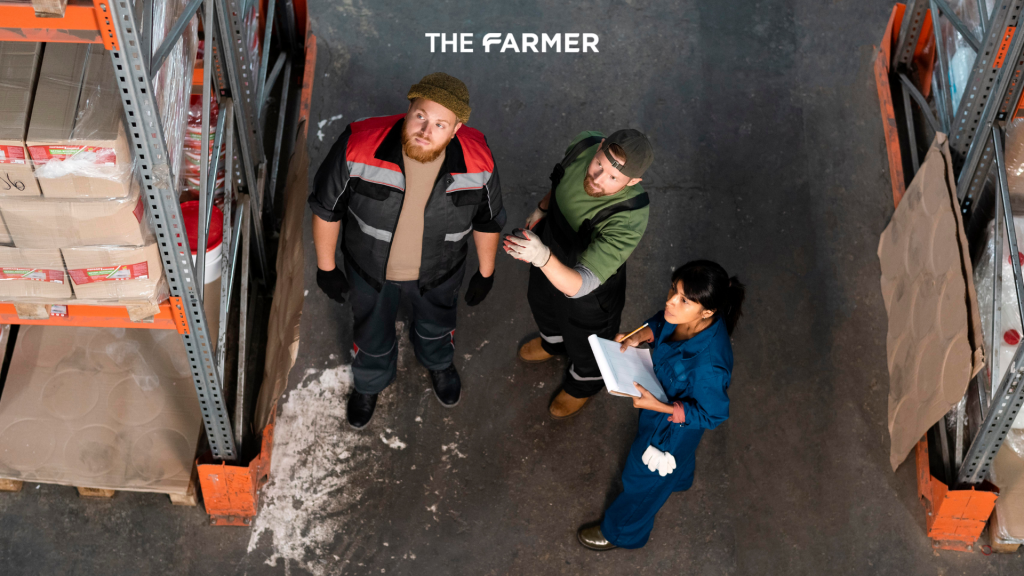
โครงสร้างซัพพลายเชนอาหารในปัจจุบัน ซ่อนต้นทุนแฝงที่เรียกว่า Food Miles หรือระยะทางที่อาหารเดินทางจากฟาร์มสู่จาน ยิ่งระยะทางไกล ต้นทุนการขนส่ง (Logistics OPEX) อัตราความสูญเสียของสด (Food Loss) และการปล่อยคาร์บอน (Carbon Footprint) ก็ยิ่งพุ่งสูงขึ้น
เมื่อผนวกกับตัวแปรที่ควบคุมไม่ได้อย่างภัยแล้ง น้ำท่วม หรือศัตรูพืช การทำเกษตรแบบเปิด (Open-field Agriculture) จึงมีความเสี่ยงสูงและไม่สามารถการันตีผลผลิต (Yield) ให้กับภาคอุตสาหกรรมได้อย่างสม่ำเสมอ การตั้งรับรอให้วัตถุดิบเดินทางจากต่างจังหวัดเข้าสู่เมืองใหญ่ จึงเป็นความเสี่ยงทางธุรกิจที่องค์กรยุคใหม่ไม่อาจแบกรับได้อีกต่อไป
⸻
Plant Factory with Artificial Lighting (PFAL): สถาปัตยกรรมที่ควบคุมธรรมชาติ 100%
ทางออกของวิกฤตนี้คือการเปลี่ยนพื้นที่แนวตั้งในอาคาร หรือแม้แต่โกดังร้างในเขตเมือง ให้กลายเป็นระบบเกษตรกรรมแบบควบคุมสภาพแวดล้อม (Controlled-Environment Agriculture – CEA) โดยมีรากฐานเทคโนโลยีมาจากการวิจัยการปลูกพืชในอวกาศของ NASA (National Aeronautics and Space Administration) (สามารถศึกษาเพิ่มเติมได้จากวารสาร NASA Spinoff: “NASA Research Launches a New Generation of Indoor Farming”) โดยเฉพาะการพัฒนาสู่เทคโนโลยี PFAL (Plant Factory with Artificial Lighting)
นี่คือสถาปัตยกรรมที่จำลองและรีดเร้นศักยภาพของธรรมชาติมาไว้ในระบบปิด:
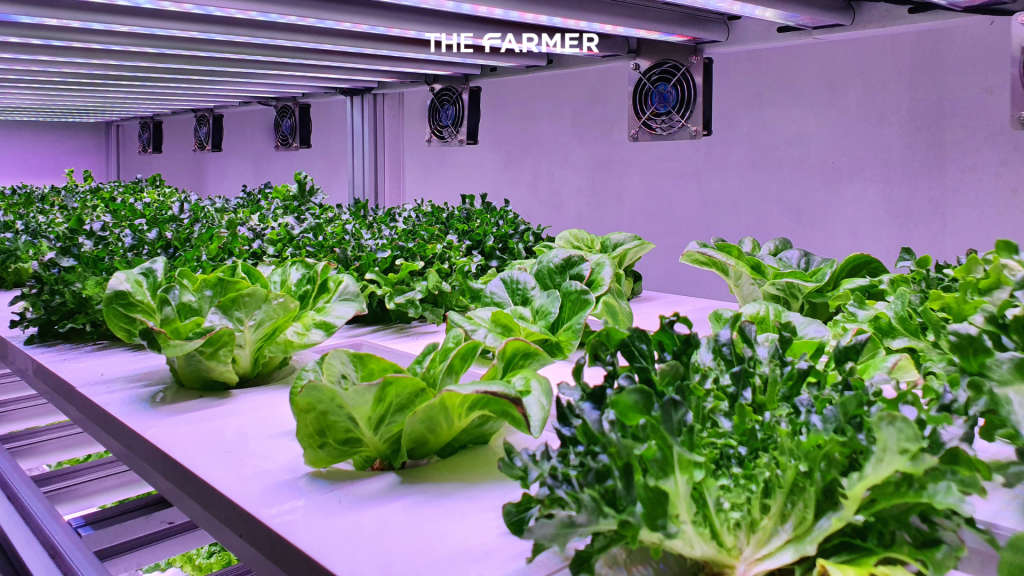
- Precision LED Lighting: ใช้แสงไฟ LED ที่ปรับจูนความยาวคลื่นแสง (Spectrum) ให้เหมาะสมกับระยะการเติบโตของพืชแต่ละชนิด ทำให้พืชสังเคราะห์แสงได้ตลอด 24 ชั่วโมง
- Climate & IoT Control: ควบคุมอุณหภูมิ ความชื้น และปริมาณคาร์บอนไดออกไซด์ผ่านเซนเซอร์อัจฉริยะแบบเรียลไทม์
- Resource Efficiency: ใช้ระบบปลูกแบบไฮโดรพอนิกส์หรือแอโรพอนิกส์ ที่ใช้น้ำน้อยกว่าการเกษตรแบบดั้งเดิมถึง 98% และไม่ต้องพึ่งพายาฆ่าแมลงแม้แต่หยดเดียว ซึ่งสถิติการประหยัดทรัพยากรนี้ได้รับการยืนยันโดย World Economic Forum: “Vertical farming can save water and support food security” ที่ชี้ให้เห็นว่า Vertical Farming คือสถาปัตยกรรมหลักที่จะมาแก้ปัญหาการใช้น้ำของภาคเกษตรกรรม
ผลลัพธ์คือ “โรงงานผลิตอาหารกลางเมือง” ที่สามารถตั้งอยู่ใจกลางเมือง ตัดวงจรต้นทุนขนส่ง ให้ผลผลิตต่อตารางเมตรสูงกว่าการปลูกลงดินหลายสิบเท่า และที่สำคัญที่สุดคือ “ผลิตได้คงที่ตลอด 365 วันโดยไม่สนใจฤดูกาล”
⸻
บทเรียนจากสมรภูมิการลงทุนจริง
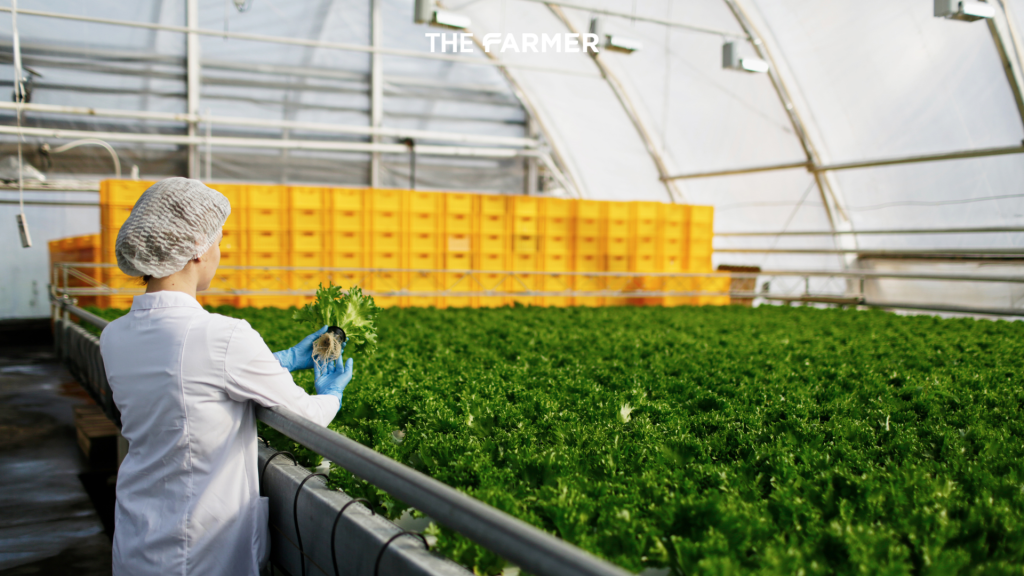
Public Sector Catalyst: ยุทธศาสตร์การปั้น AgTech Ecosystem ของ NIA ในประเทศไทย การขับเคลื่อนเรื่องนี้ไม่ได้เกิดขึ้นเฉพาะในกลุ่มทุนใหญ่ แต่ได้รับการสนับสนุนเชิงโครงสร้างจาก สำนักงานนวัตกรรมแห่งชาติ (NIA) ที่เดินหน้าสร้างระบบนิเวศนวัตกรรมเกษตร (AgTech Ecosystem) ผ่านโครงการบ่มเพาะและการให้ทุนสนับสนุนสตาร์ทอัพกลุ่ม Urban Farming และ Deep-Tech Agriculture กลไกของ NIA ช่วยลดความเสี่ยงในช่วงเริ่มต้น (Early-stage Risk) ให้กับผู้ประกอบการ และทำหน้าที่เป็นสะพานเชื่อมระหว่างงานวิจัยในระดับห้องปฏิบัติการ สู่การทำต้นแบบเชิงพาณิชย์ (Commercial Prototype) ในเขตเมือง
Private Sector & Investment Incentives: เมื่อ Plant Factory คือ Asset Class ใหม่ ในฝั่งผู้ประกอบการเอกชน เราเริ่มเห็นการขยับตัวของกลุ่มธุรกิจอสังหาริมทรัพย์และกลุ่มอาหาร ที่นำเทคโนโลยี Vertical Farming มาบูรณาการเป็นส่วนหนึ่งของสถาปัตยกรรมอาคาร (Building-integrated Agriculture) แรงส่งสำคัญที่ทำให้การลงทุนใน Plant Factory เติบโตอย่างก้าวกระโดด คือการที่ คณะกรรมการส่งเสริมการลงทุน (BOI) ได้จัดตั้งหมวดหมู่สิทธิประโยชน์เฉพาะสำหรับกิจการ “โรงงานผลิตพืช (Plant Factory)” ซึ่งให้สิทธิยกเว้นภาษีเงินได้นิติบุคคลเพื่อดึงดูดเม็ดเงินลงทุน (CAPEX) การเคลื่อนไหวนี้เปลี่ยนสถานะของ Vertical Farming จาก ‘การทดลองทางเกษตร’ สู่การเป็น ‘สินทรัพย์การลงทุน (Asset Class)’ ที่มีโครงสร้างผลตอบแทนชัดเจน
⸻
Regenerate: From Farm to Future
Vertical Farming และ Plant Factory คือเครื่องยืนยันว่า อนาคตของความมั่นคงทางอาหารไม่ได้ขึ้นอยู่กับว่าเรามีที่ดินมากแค่ไหน แต่อยู่ที่ว่าเราใช้เทคโนโลยีเพื่อยกระดับพื้นที่ (Space Utilization) และลดการพึ่งพาทรัพยากรธรรมชาติได้มีประสิทธิภาพเพียงใด
⸻
“When traditional food supply chains become too fragile to handle global crises, the architecture of the future is no longer just skyscrapers. Instead, it is ‘urban food manufacturing plants’ that shatter seasonal and logistical limitations utilizing 100% technology.”
When discussing Food Security, the dominant image for most investors is often tied to massive agricultural plots in rural provinces. However, in an era where the world faces extreme volatility—including Climate Change, natural disasters, and pandemics—a production model reliant on distance and weather conditions is rapidly becoming a fatal vulnerability.
Past crises have proven that when logistics chains are paralyzed, metropolitan areas lacking their own food production sources face immediate shortages. This is the turning point that elevates investments in Vertical Farming and Plant Factories from mere technological gimmicks or corporate CSR into the creation of a “New Security Infrastructure.” This paradigm shifts the production base back into the heart of the city, transforming agriculture into an industry where outcomes can be calculated and controlled 100%.
⸻
The Supply Chain Vulnerability: The Fragility of Distance and Climate.
Today’s food supply chain structure conceals hidden costs known as Food Miles—the distance food travels from farm to plate. The greater the distance, the higher the Logistics OPEX, Food Loss rates, and Carbon Footprint.
Coupled with uncontrollable variables such as droughts, floods, or pests, Open-field Agriculture carries high risks and cannot guarantee consistent Yields for the industrial sector. Passively waiting for raw materials to travel from rural provinces to major cities is a business risk that modern organizations can no longer afford to bear.
⸻
Plant Factory with Artificial Lighting (PFAL): Architecture that Commands Nature 100%.
The solution to this crisis lies in converting vertical spaces in buildings, or even abandoned urban warehouses, into Controlled-Environment Agriculture (CEA) systems. This technological foundation stems from space cultivation research by NASA (National Aeronautics and Space Administration) (further reading available in NASA Spinoff: “NASA Research Launches a New Generation of Indoor Farming”), specifically evolving into PFAL (Plant Factory with Artificial Lighting) technology.
This is an architecture that simulates and extracts the full potential of nature within a closed system:
- Precision LED Lighting: Utilizes LED lighting tuned to the specific Spectrum required for each plant’s growth stage, enabling photosynthesis 24 hours a day.
- Climate & IoT Control: Manages temperature, humidity, and carbon dioxide levels via smart sensors in real-time.
- Resource Efficiency: Employs hydroponic or aeroponic systems that use up to 98% less water than traditional agriculture, without relying on a single drop of pesticide. This resource-saving statistic is corroborated by the World Economic Forum: “Vertical farming can save water and support food security”, highlighting that Vertical Farming is the primary architecture to resolve agricultural water consumption issues.
The result is an “urban food manufacturing plant” situated right in the city center, severing the logistics cost cycle, yielding dozens of times more output per square meter than soil-based farming, and most importantly, “producing consistently 365 days a year regardless of the season.”
⸻
Lessons from the Real Investment Battlefield
Public Sector Catalyst: NIA’s Strategy to Forge the AgTech Ecosystem in Thailand. Driving this initiative is not exclusive to large conglomerates. It receives structural backing from the National Innovation Agency (NIA), which is actively forging an AgTech Ecosystem through incubation programs and funding for startups in the Urban Farming and Deep-Tech Agriculture sectors. The NIA’s mechanism mitigates Early-stage Risk for entrepreneurs and acts as a bridge, translating laboratory-level research into a Commercial Prototype within urban areas.
Private Sector & Investment Incentives: When the Plant Factory Becomes a New Asset Class. In the private sector, we are beginning to see moves from real estate and food conglomerates integrating Vertical Farming technology as part of their building architecture (Building-integrated Agriculture). A pivotal catalyst propelling the exponential growth of Plant Factory investments is the Board of Investment (BOI) establishing a specific incentive category for “Plant Factory” enterprises. This grants corporate income tax exemptions to attract Capital Expenditure (CAPEX). This movement shifts the status of Vertical Farming from a mere agricultural experiment to an “Asset Class” with a clearly defined return structure.
⸻
Regenerate: From Farm to Future
Vertical Farming and Plant Factories serve as proof that the future of food security does not depend on how much land we possess, but rather on how efficiently we utilize technology to maximize Space Utilization and reduce reliance on natural resources.
⸻
𝗧𝗛𝗘 𝗙𝗔𝗥𝗠𝗘𝗥: 𝗴𝗿𝗼𝘄𝗶𝗻𝗴 ◦ 𝗮𝗴𝗿𝗶 ◦ 𝗰𝘂𝗹𝘁𝘂𝗿𝗲 | 𝘙𝘦𝘨𝘦𝘯𝘦𝘳𝘢𝘵𝘪𝘷𝘦 𝘙𝘪𝘴𝘦
Facebook: https://www.facebook.com/thefarmer.th
YouTube: https://www.youtube.com/@thefarmerth
Instagram: https://www.instagram.com/thefarmerthai/

